Trump’s Iran Deal Sparks Market Rally, Oil Plummets
President Trump's announcement of a two-week suspension of bombing Iran has triggered a significant market rally and a sharp drop in oil prices. The potential reopening of the Strait of Hormuz is seen as a key factor, promising relief for consumers and broader economic benefits.

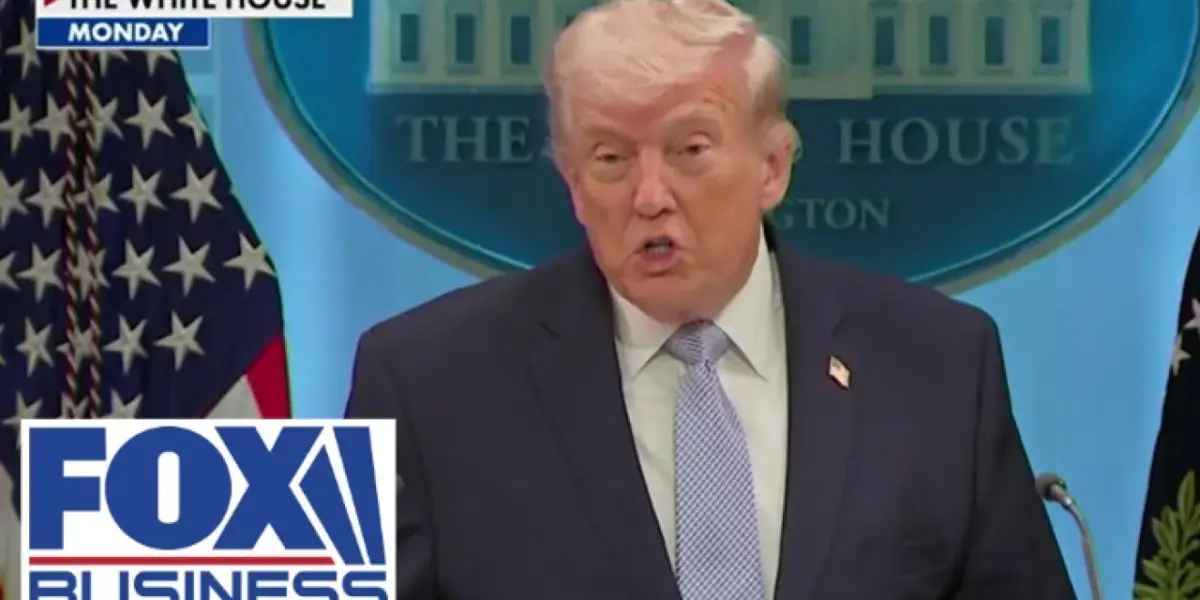
Trump’s Iran Deal Sparks Market Rally, Oil Plummets
President Trump announced a two-week suspension of bombing Iran, signaling a potential diplomatic breakthrough that sent shockwaves through financial markets. The Dow Jones Industrial Average surged approximately 700 points in early trading, reflecting strong investor optimism about the development. Simultaneously, oil prices experienced a significant drop, with West Texas Intermediate (WTI) crude falling below $103 a barrel.
Diplomatic Resolution in Sight?
The announcement follows a plea from Pakistan, which has been involved in negotiations. President Trump’s statement suggests that the U.S. and Iran are making substantial progress toward a diplomatic resolution. This development is being viewed as a major positive for the global economy, particularly for energy consumers.
Strait of Hormuz Key to Deal
A critical element of the proposed agreement appears to be Iran’s commitment to reopening the Strait of Hormuz. This vital waterway is a major shipping channel for oil exports. For weeks, concerns about potential disruptions in this region have driven up crude oil prices. The prospect of the Strait reopening is seen as a key reason for the immediate decline in oil prices.
“Looks like immediate react is that, one reason you are seeing oil price tumbling because Trump made it clear that one key provision that has to be agreed to by Iranian… is open the Strait.”
Experts believe that if Iran allows ships to pass freely through the Strait, it could significantly ease supply concerns. Normally, about 100 ships transit the Strait daily. Even a partial return to normal traffic levels, far exceeding the recent average of six ships per day, would be seen as a strong sign of the deal’s progress.
Falling Oil Prices and Consumer Relief
The drop in oil prices is welcome news for consumers who have faced high gasoline costs. Some analysts predict that if the Strait of Hormuz fully reopens, oil prices could fall to as low as $75 a barrel within weeks. This would be a substantial decrease from current levels and bring prices back below the $70 mark seen before recent tensions escalated.
The price of oil had risen not only due to fears of export disruptions but also because of uncertainty surrounding production in the Middle East. The Energy Information Administration had noted difficulties in assessing regional production levels due to the volatile situation. The rapid movement of oil through pipelines like the East-West pipeline highlights how much concern, rather than actual supply shortages, had been impacting prices.
Broader Economic Implications
Beyond oil, the Strait of Hormuz is also crucial for the global fertilizer trade. Disruptions have led to significant price increases for fertilizers, impacting food production costs. If the Strait reopens and fertilizer shipments resume, consumers could see lower grocery prices in the coming months. This suggests a potential ripple effect of lower inflation across various sectors.
The uncertainty surrounding potential attacks on infrastructure, such as bridges and power plants, had created a climate of unease. This diplomatic development offers a more positive outlook. It demonstrates how quickly economic prospects can change, influencing future economic outlooks for years to come.
A Return to Economic Prosperity?
The hope is that this breakthrough could lead to a return to the economic conditions seen in early 2026, characterized by a booming economy, low gas prices, strong GDP growth, and high employment. Achieving peace and prosperity in the Middle East would be a significant achievement, potentially saving trillions of dollars currently spent on conflict and rebuilding.
Market Impact
The immediate market reaction has been overwhelmingly positive. The stock market rally indicates that investors are pricing in a de-escalation of tensions and a subsequent boost to economic activity. The sharp decline in oil prices suggests that the market believes supply disruptions are unlikely to persist. This shift could lead to lower inflation and increased consumer spending power.
What Investors Should Know
Investors should monitor the ongoing developments regarding the Strait of Hormuz and the broader U.S.-Iran negotiations. The sustained flow of oil and fertilizer through the Strait will be key indicators of the deal’s success. A continued drop in energy prices could benefit transportation and manufacturing sectors, while lower food costs would ease pressure on household budgets. The long-term implications depend on the stability of the agreement and its impact on geopolitical risks in the region.
Source: President Trump has made this VERY CLEAR, expert says (YouTube)

Related Articles


Trump’s Iran Deal: Bold Tactics Yield Fragile Peace
A panel discusses President Trump's Iran ceasefire deal, a special election in Georgia, the DOJ's renewed fight against fraud, and Trump's relationship with Hungarian Prime Minister Viktor Orbán. Analysts debate Trump's negotiation tactics, the implications of the Georgia race, and the U.S.'s foreign policy stance.


Trump Halts Iran Attacks, Seeks Peace Deal
President Trump has agreed to a two-week suspension of attacks on Iran, contingent on Iran reopening the Strait of Hormuz. This move comes as the U.S. reports progress on a peace proposal and highlights the Iranian people's desire for freedom.
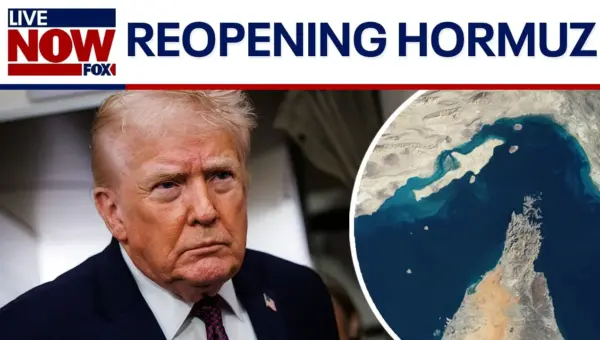
US, Iran Agree to 2-Week Ceasefire Centered on Strait of Hormuz
The U.S. and Iran have agreed to a two-week ceasefire, brokered by Pakistan, focusing on reopening the Strait of Hormuz. While a significant development, the deal's terms are complex and its fragility is a major concern due to the numerous actors involved.