Trump’s Iran Deal Sparks Chaos, Questions Linger
President Trump's sudden ceasefire announcement with Iran has created significant confusion. Questions linger about control of the Strait of Hormuz and the actual U.S. gains. The move also faces backlash from within Trump's own base, highlighting broader political divisions.

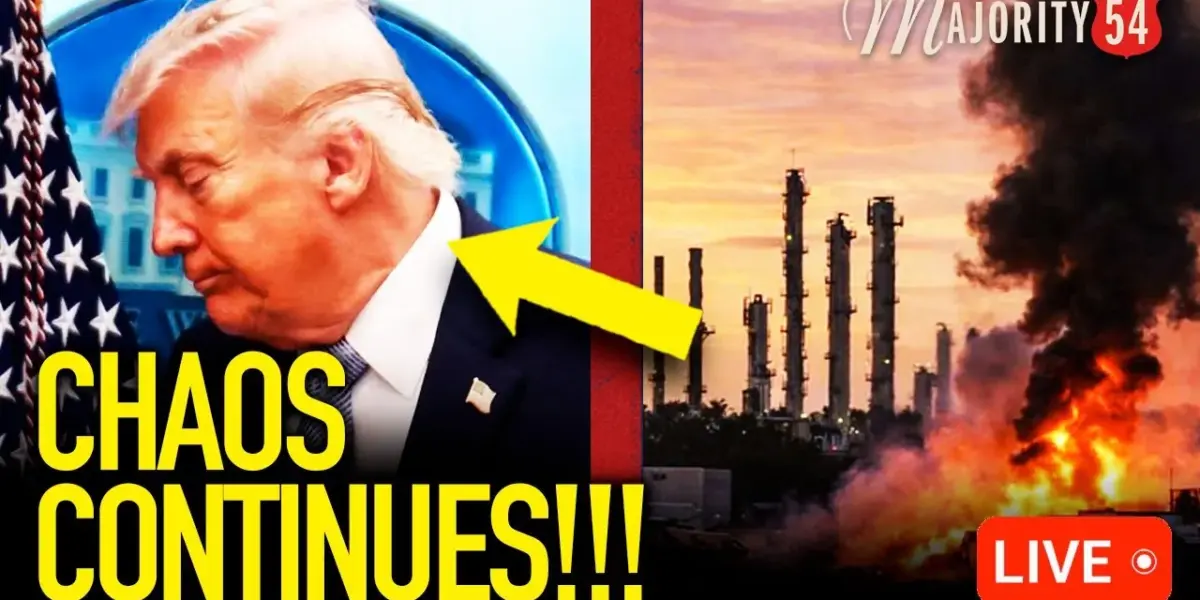
Trump’s Iran Deal Sparks Chaos, Questions Linger
President Trump announced a sudden, two-week ceasefire with Iran. This move has created confusion and uncertainty. Key questions remain about who is actually in control of the Strait of Hormuz. It’s also unclear what the United States has truly accomplished with this announcement.
Conflicting Reports and Shifting Strategies
Reports from officials and observers are clashing. This makes it hard to understand the situation. We’re seeing different reactions and interpretations of the ceasefire. For example, there are questions about Iran’s military losses versus its new ability to influence global shipping. Trump’s own words about the conflict have also changed several times. This makes it difficult for allies and enemies alike to know where the U.S. stands.
The Strait of Hormuz is a vital waterway. It’s a narrow passage between the Persian Gulf and the Gulf of Oman. About one-fifth of the world’s oil supply passes through it every day. Because of this, any disruption there can have major economic effects worldwide. Trump’s ceasefire announcement aimed to calm tensions in this critical area. However, the lack of clear control and the conflicting information have raised doubts about its effectiveness.
Backlash and Internal Disagreement
The President’s decision has also faced strong criticism. This backlash is coming from within his own political base. Some figures, even those who usually support Trump, are now sounding the alarm. They are worried about his threats, his overall strategy, and how he is handling the ongoing conflict. This internal disagreement suggests that the ceasefire announcement did not unite his supporters. Instead, it may have created new divisions.
This situation is not entirely new in international relations. Leaders often make bold announcements to gain an advantage or to de-escalate a crisis. However, the success of such moves depends on clear communication and consistent policy. When words and actions don’t align, or when allies aren’t brought into the decision-making process, it can lead to confusion and mistrust. This can weaken a country’s position on the world stage.
Why This Matters
This situation matters because it affects global stability and the economy. The Strait of Hormuz is a critical chokepoint for oil. Any instability there can lead to higher energy prices for everyone. It also impacts international trade. Furthermore, the way the U.S. handles foreign policy affects its relationships with other countries. Consistent and clear communication is essential for maintaining trust and projecting strength.
The internal divisions within the U.S. also matter. When a leader’s decisions create disagreement among their own supporters, it can weaken their ability to govern. It also sends mixed signals to other nations. A united front is often seen as a sign of strength. Conversely, visible disagreement can invite challenges from adversaries.
Broader Political and Social Trends
Beyond the immediate foreign policy issues, the discussion touches on broader political trends. The analysis mentions shifts in electorates, like in Georgia. It also brings up international campaigning by figures like JD Vance. Controversies in the media and major shakeups within the Department of Justice are also noted. These are all pieces of a larger picture of a country experiencing significant political change and debate.
The podcast, “Majority 54,” focuses on bridging divides. It aims to help people who believe in progress connect with conservative friends and family. This goal highlights a growing awareness of the need for dialogue. In a politically polarized time, finding common ground and understanding different perspectives is more important than ever. The podcast’s approach suggests a belief that many Americans, regardless of their political label, share common goals.
Future Outlook
The future outlook remains uncertain. The effectiveness of the ceasefire will depend on further actions and clearer communication. The U.S. will need to address the conflicting reports and solidify its strategy. How the administration handles these challenges will shape its standing in the region and globally. It will also influence domestic political dynamics.
The ongoing political debates at home, from shifting voter bases to media controversies, will also continue to shape foreign policy decisions. The ability of different political groups to communicate and find common ground will be crucial. This internal dialogue can, in turn, affect how the U.S. presents itself on the international stage. The need for clear, consistent leadership is evident. This is especially true when dealing with complex international situations and domestic political divisions.
Source: LIVE: INSTANT FALLOUT from Trump-Iran ‘CEASEFIRE’… (YouTube)

Related Articles
Trump’s Foreign Policy Blunders: A Troubled Legacy
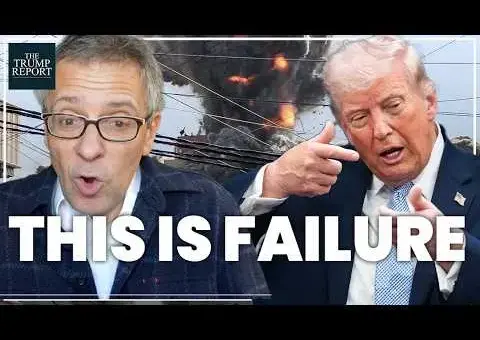
Political scientist Ian Bremmer analyzes Donald Trump's foreign policy, calling his handling of the Iran conflict a "disastrous" mistake. Bremmer argues Trump's unilateral actions weakened U.S. credibility and damaged alliances, despite his claims of victory.

Ceasefire Collapses: Iran Strikes Saudi Oil as Region Ignites
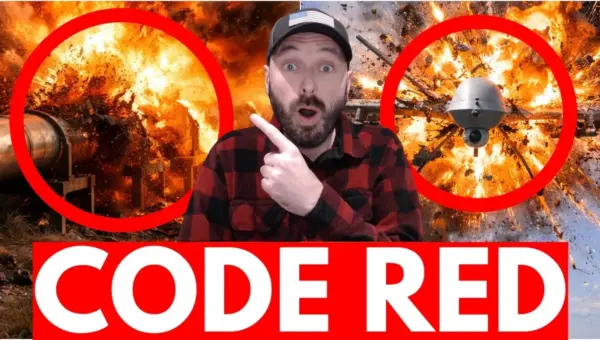
A fragile ceasefire has collapsed as Iran launches attacks on Saudi Arabia's oil pipeline and Kuwait's infrastructure. The conflict is escalating, with Iran also warning of further action in the Strait of Hormuz and claiming to have shot down an Israeli drone. Regional powers like the UAE may also be entering the fray.

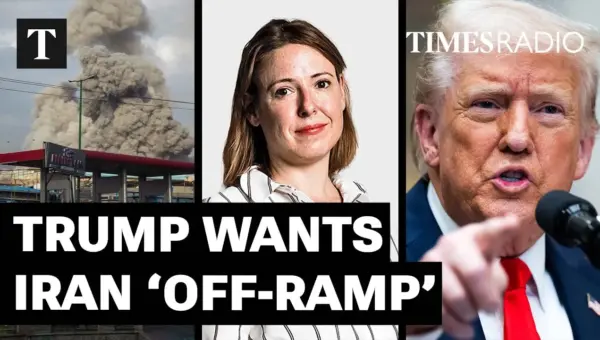
Trump Seeks Iran ‘Off-Ramp’ Amid Conflicting Victory Claims
Both the U.S. and Iran are claiming victory following a period of intense conflict, but achieving lasting peace faces significant hurdles. Key issues include Iran's nuclear program and ongoing hostilities in Lebanon, complicating proposed peace talks. President Trump is reportedly anxious for a diplomatic "off-ramp" to de-escalate the situation.