Trump’s Iran Deal Fuels Doubts About Leadership
A recent Iran ceasefire deal brokered by Donald Trump has sparked strong criticism, with many questioning the administration's competence and motives. Experts suggest the deal may have left Iran in a stronger position, raising concerns about personal financial gain influencing foreign policy. The growing role of drones in warfare and strained international alliances are also key issues.

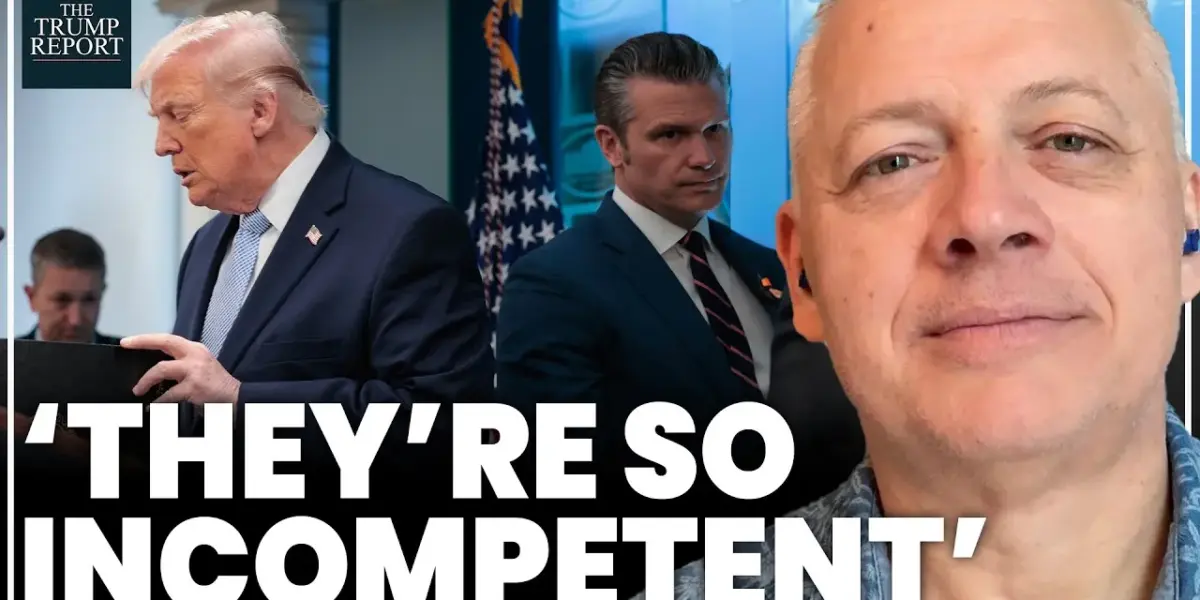
Trump’s Iran Deal Sparks Controversy and Questions
A recent ceasefire deal between the United States and Iran, brokered by Donald Trump, has drawn sharp criticism and raised serious questions about the administration’s foreign policy. The agreement, which aimed to open the Strait of Hormuz, has been called a “complete capitulation” by critics. They argue that despite the deal, Iran appears to be in a stronger position than before the conflict began.
A “Ludicrous” Outcome
Denver Riggleman, a former Republican congressman and Air Force veteran, expressed deep concern over the outcome. He described the situation as “ludicrous” and “dangerous,” especially for those with military and foreign policy experience. Riggleman believes the decisions made during the conflict seemed “ad hoc” or based on unclear motives, rather than sound strategy.
“What we saw was a complete capitulation based on the bizarre genocidal threats yesterday,” Riggleman stated. “Iran seemed to do very well in this. And what’s interesting to me is Iran seems to be better off than before the war in some respects. And we’ve gone back to the status quo after over a month of this.”
Questions About Competence and Motives
Critics point to statements made by Trump, such as suggesting the U.S. could profit from charging tolls for ships passing through the Strait of Hormuz. This idea, seen as abandoning the principle of freedom of navigation, has been widely criticized as unrealistic and driven by a desire for personal financial gain rather than national interest.
Riggleman suggested that these decisions might be linked to financial benefits for Trump and his family. He highlighted investments by the Trump family in drone technology companies, noting that their wealth has significantly increased through various contracts. This raises concerns about potential conflicts of interest, where personal profit might influence foreign policy decisions.
The Role of Drones in Modern Warfare
The conflict also brought to light the growing importance of drones in modern warfare. Riggleman noted that Iran, Russia, and Ukraine have become leaders in drone technology. He expressed concern that the U.S. has fallen behind, even needing to reverse-engineer Iranian drone designs like the Shahed. This reliance on foreign technology suggests a gap in American innovation and preparedness.
The U.S. military procurement system is seen as too slow to keep up with the rapid advancements in drone warfare. This could put the U.S. at a disadvantage in future conflicts, as other nations are effectively using drones for both offense and defense.
Strained Alliances and Reputation
The handling of the Iran conflict has also strained relationships with U.S. allies in the Gulf. Some Arab states, like the UAE, appear to be distancing themselves from the U.S. following Trump’s actions and statements. This could weaken regional partnerships and undermine American influence.
Furthermore, Trump’s past comments about NATO and his approach to international diplomacy have damaged the U.S.’s reputation. Allies question the reliability and trustworthiness of American leadership, making it harder to form united fronts against global threats.
Political Maneuvering and Future Outlook
Riggleman believes that Trump will likely pivot away from the Iran issue to focus on domestic concerns like immigration and election integrity theories. This strategy aims to rally his base and distract from foreign policy setbacks. The upcoming midterm elections could be influenced by these shifts in focus.
The interview also touched upon the influence of figures like Viktor Orbán in Hungary and their alignment with Trump’s political style. Critics see this as a worrying trend towards authoritarianism, where personal financial interests and nationalist rhetoric overshadow democratic principles and ethical governance.
Why This Matters
The events surrounding the Iran ceasefire deal highlight critical issues facing the United States. They raise serious questions about leadership competence, the influence of personal financial interests on foreign policy, and the nation’s standing on the global stage. The increasing role of drone warfare and the need for American innovation in this area are also pressing concerns. Ultimately, the situation underscores the importance of clear, ethical, and strategically sound foreign policy decisions for national security and international stability.
Historical Context
The Strait of Hormuz has long been a critical chokepoint for global oil supplies. Tensions between the U.S. and Iran have been high for decades, marked by various incidents and diplomatic standoffs. The Trump administration’s “maximum pressure” campaign against Iran aimed to curb its nuclear program and regional influence. However, critics argue this approach led to increased instability and unintended consequences, as seen in the recent conflict and its aftermath.
Implications and Future Trends
The potential for personal profit influencing foreign policy decisions is a dangerous trend. It erodes public trust and can lead to decisions that are not in the best interest of the nation. The rapid advancement of drone technology signals a major shift in warfare, requiring significant investment and strategic adaptation by the U.S. military. The strain on alliances and the damage to America’s global reputation could have long-term consequences for its ability to lead and respond to international crises.
Looking Ahead
The upcoming elections will likely determine the direction of U.S. foreign policy. Whether the nation moves towards more stable alliances and ethical leadership or continues down a path influenced by personal gain and nationalist rhetoric remains to be seen. The challenges posed by Iran, drone warfare, and global stability require careful consideration and a commitment to sound, principled decision-making.
Source: Trump's 'incompetence' has left Iran 'better off' after ceasefire deal leaves Straits of Hormuz shut (YouTube)

Related Articles

Artemis II Crew Faces Risky Reentry: Heat Shield Concerns Loom
The Artemis II astronauts are preparing for a critical reentry into Earth's atmosphere, facing concerns over the heat shield's performance. Meanwhile, global markets are reacting to a significant inflation surge linked to Iran tensions, and a new lawsuit alleges an energy drink's high caffeine content led to a teen's death.

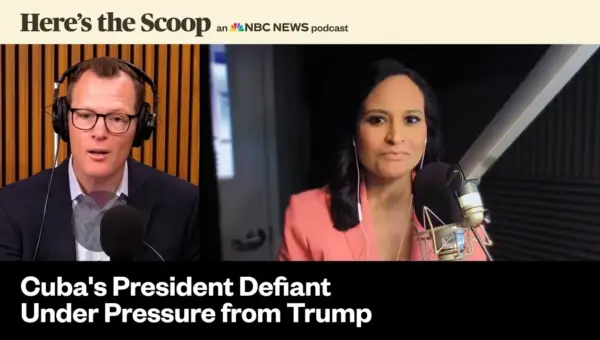
Trump Administration Targets Cuba, Local Races
Cuban President Miguel Diaz-Canel has defiantly responded to U.S. pressure, emphasizing national sovereignty in a rare interview. Meanwhile, the Trump administration's influence extends to local U.S. politics, with reports of intense pressure tactics used in Indiana primaries to unseat candidates who defied the White House.

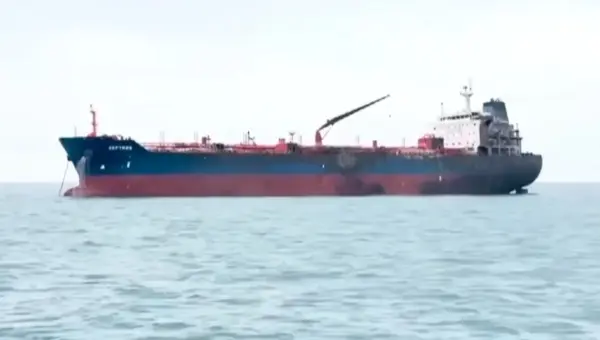
Hormuz Strait Blockade Will End Soon, US Predicts
White House advisor Kevin Hassett predicts the Strait of Hormuz will reopen within two months, easing global oil transport. He anticipates economic benefits and lower energy prices once the waterway is clear. Current data shows significantly reduced ship traffic.