Trump’s Iran Deadline Looms: Troops, Talks, and Regional Tensions
President Trump has set a 10-day deadline for Iran talks, warning of potential military action amid troop deployments to the Middle East. As air-based options dwindle, attention turns to possible ground operations. Regional players and an unconventional U.S. negotiating team are involved in complex diplomatic efforts.

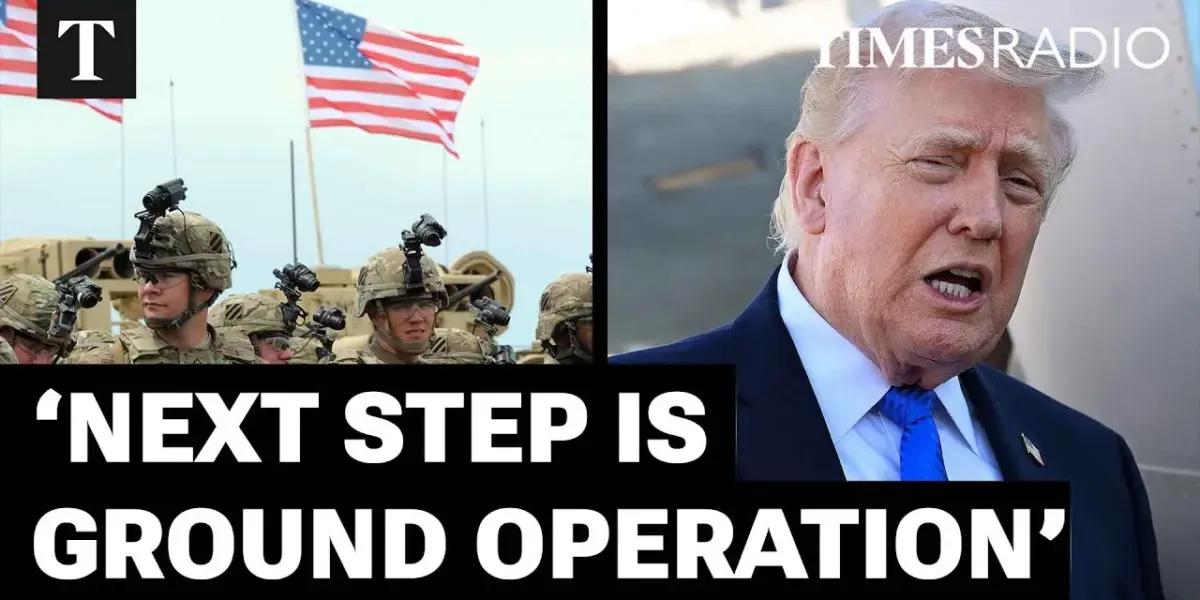
Trump Sets 10-Day Deadline for Iran Talks Amid Escalating Tensions
President Trump has issued a firm 10-day deadline for Iran to engage in talks, warning of potential military action if no agreement is reached. This ultimatum comes as the United States deploys thousands of additional troops to the Middle East, raising concerns about possible ground operations. The situation highlights a complex diplomatic and military standoff, with significant implications for regional stability.
Limited Options for Escalation, Focus Shifts to Ground Forces
Richard Spencer, The Times’ Middle East correspondent, explained that the options for escalating military action are narrowing. “The range of targets accessible from the air is declining,” Spencer noted, following weeks of intense bombing against Iran, which has limited air defenses. He suggested that the only remaining escalation path involves land forces, potentially to secure the Strait of Hormuz.
This move towards ground operations is a significant concern, as such actions can quickly lead to prolonged conflicts. Spencer drew parallels to historical wars like Vietnam and Afghanistan, where seemingly simple military objectives spiraled into extensive ground wars, a scenario President Trump has pledged to avoid.
Israel’s Position and Regional Diplomacy
Spencer, reporting from Tel Aviv, discussed Israel’s alignment with the United States on de-escalation efforts. “Both Netanyahu and Trump realize that stuff is getting serious,” he stated, indicating a shared understanding of the need for an endgame. While direct communication between the leaders is unclear, their staffs are reportedly coordinating policy, attempting to navigate President Trump’s shifting tone.
The core question remains whether both sides are ready to de-escalate. Iran could claim survival against predictions of its regime’s collapse, while the U.S. has not achieved its goal of regime change but has degraded Iran’s military capabilities. Spencer suggested that both nations might see enough to declare a partial victory and step back from the brink, though he cautioned that the situation remains precarious.
Unconventional Negotiating Team Assembles
President Trump’s selection of his negotiating team has also drawn attention. The group includes Vice President Pence, Secretary of State Mike Pompeo, Senator Marco Rubio, special envoy Steve Biegun, and son-in-law Jared Kushner. This mix of allies, family, and individuals with differing views on intervention—ranging from dovish to hawkish—is considered unconventional.
Spencer noted that while including friends and family isn’t unprecedented, the team lacks a figure like Henry Kissinger, who could interpret presidential moods and craft coherent policy based on detailed knowledge. The wide divergence in opinions within the team, particularly between those advocating for caution and those supporting aggressive Israeli policy, adds another layer of complexity to the diplomatic efforts.
Regional Players and Potential Pitfalls
Despite the U.S. leading negotiations, regional representatives are actively involved. The Prime Minister of Qatar was in Washington, meeting with key figures, and discussions are ongoing with Saudi Arabia and the UAE. Israel’s agreement is crucial, especially regarding terms that might satisfy its security concerns.
However, potential challenges remain. If a deal is reached, Israel might feel compelled to address future threats like new missile sites and launchpads. Furthermore, Israel faces its own set of regional issues, including actions against Hezbollah in Lebanon, ongoing conflict in Gaza, and policies in the West Bank. These separate concerns, which may not be President Trump’s primary focus, will need consideration and agreement, adding to the intricate diplomatic landscape.
Looking Ahead: The Path to De-escalation
The coming days are critical as the 10-day deadline approaches. The focus will be on whether diplomatic channels can be effectively utilized to prevent further military escalation. The involvement of regional players and the careful management of differing viewpoints within the U.S. negotiating team will be key to navigating this tense period and finding a path toward a peaceful resolution.
Source: Only Escalation Possible Is Troops On The Ground | Richard Spencer (YouTube)

Related Articles
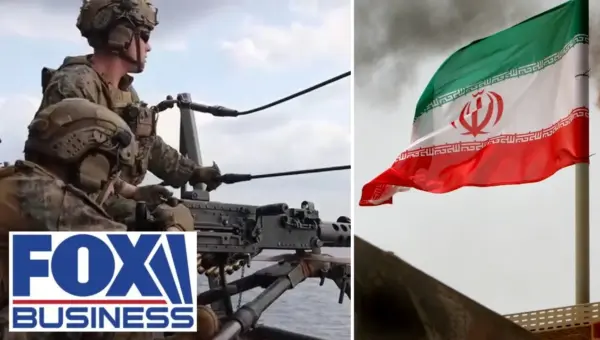
Pentagon Weighs 10,000 Troops for Iran Showdown
The Pentagon is reportedly weighing a significant troop increase of 10,000 soldiers to the Middle East, potentially escalating tensions with Iran. This move comes amid reports of U.S. precision strikes and interceptions of Iranian missiles by allies, raising concerns about regional stability and global oil supplies.

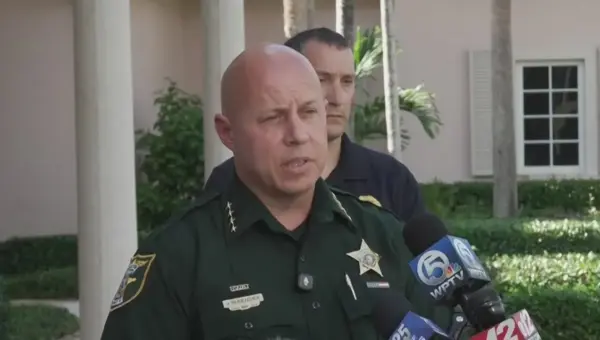
Tiger Woods DUI Arrest Sparks Political Ripples
Golf legend Tiger Woods was arrested for DUI in Florida after a rollover crash, showing signs of impairment not related to alcohol. President Trump commented on the incident, noting a personal connection through Woods' girlfriend.


CPAC Crowd’s Boos Reveal GOP’s Deep Divide
A moment at CPAC where the crowd booed impeachment hearings reveals deep divisions within the Republican party. Younger supporters are concerned the GOP base is crumbling due to issues like the Iran war, gas prices, and other controversies.