Trump’s Iran Deadline: A World on the Brink of War
President Trump issued a stark warning of "civilization dying" if Iran did not agree to reopen the Strait of Hormuz, bringing the US and Iran to the brink of war. As US forces struck military targets, Iran called on citizens to form human chains around critical infrastructure, raising fears of human shields. The situation highlighted deep geopolitical tensions and Iran's controversial tactics.

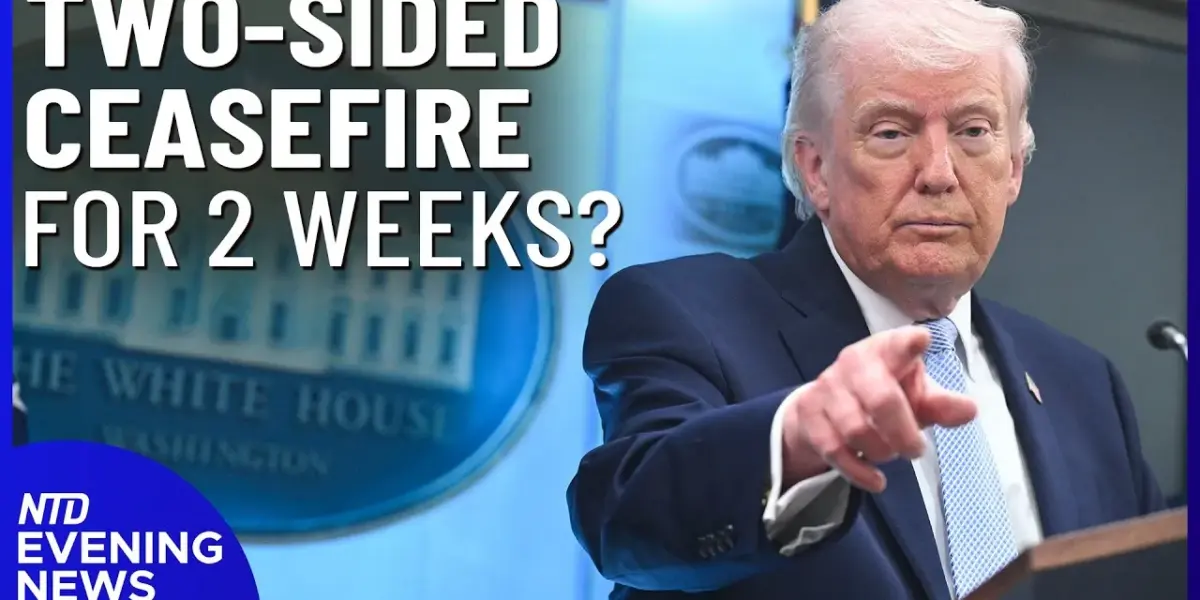
Trump’s Iran Deadline: A World on the Brink of War
President Trump issued a stark warning: “A whole civilization will die tonight” if Iran did not agree to a deal to reopen the Strait of Hormuz. This ultimatum, set for 8:00 p.m., brought the United States and Iran to the edge of a major conflict. The situation was tense, with US forces already striking military targets in Iran just hours before the deadline. It was a critical moment, described by President Trump as one of the most important in world history.
Heated Negotiations and a Potential Bombing Campaign
Reports from the White House indicated “heated negotiations” were underway. Pakistan had requested a two-week extension for the deadline, and a response was expected soon. However, if no deal was reached, President Trump was prepared to order a massive bombing campaign. He laid out a chilling plan: “every bridge in Iran will be decimated” and “every power plant in Iran will be out of business, burning, exploding, and never to be used again.” This would mean “complete demolition.” While Trump stated he did not want this to happen, he admitted it “probably will.” He expressed hope for “complete and total regime change where different, smarter, and less radicalized minds prevail,” suggesting something “revolutionarily wonderful” could emerge.
Human Shields and Desperate Measures
As the deadline approached, Iran called on its residents to form human chains around bridges and power plants. This action appeared to be an effort to deter US strikes, as the Iranian regime often hides military hardware in civilian areas. One expert noted that Iran was counting on a sense of “wartime etiquette” to prevent attacks that could endanger women and children. This tactic was condemned by some, including Republican Senator Rick Scott, who called it the regime “forcing women and children to be human shields.”
Historical Context and Iran’s Actions
The conflict stems from Iran’s long history of actions described as “extortion, corruption, and death.” According to the report, Iran has armed terrorist proxies, targeted civilians, and destabilized governments. They have also been accused of using hospitals and schools to hide military equipment. The transcript mentions that over 36,000 people have been killed since January in the regime’s crackdown on anti-government protesters. Furthermore, Iran spends millions daily on internet blackouts to control information while executing its own citizens.
US Military Response and Congressional Debate
US forces were actively engaged, with the US Central Command releasing footage of Navy fighter jets and one-way attack drones launched against Iran as part of “Operation Epic Fury.” Hundreds of US drones were integrated into offensive and defensive operations. Meanwhile, Congress was out of session, but pressure mounted for lawmakers to return. Some Democrats criticized the US actions and called for an immediate return to session to end the war. Republicans, however, defended the administration’s stance, emphasizing that actions against Iran were aimed at cutting off the regime’s funding, particularly its oil sales to China.
International Reactions and the UN’s Role
The situation drew international attention. Secretary of State Marco Rubio accused the Iranian regime of terrorist acts in the Strait of Hormuz. The State Department also warned that Iran and its proxies might target universities in the Middle East, advising Americans in the region to exercise caution. Notably, Russia and China vetoed a UN resolution calling for the reopening of the Strait of Hormuz. Ambassador Mike Waltz criticized this, stating that they sided with a regime that “seeks to intimidate the Gulf into submission.” A retired Air Force Colonel suggested the UN is not a useful institution in the current geopolitical climate.
Why This Matters
This standoff highlights the extreme dangers of escalating geopolitical tensions. President Trump’s willingness to use devastating force, contrasted with Iran’s use of its own citizens as human shields, paints a grim picture of modern warfare. The situation underscores the complex relationship between global powers, with China and Russia playing roles that complicate international efforts. The potential for widespread destruction and loss of life, as warned by Trump, makes this a critical moment for international diplomacy and de-escalation. The events also raise questions about the effectiveness of international bodies like the UN when faced with determined aggressors.
Implications, Trends, and Future Outlook
The reliance on military threats and the potential for massive infrastructure damage represent a disturbing trend in international relations. Iran’s strategy of using civilian populations as shields, while condemned, reflects a desperate attempt to gain leverage. The involvement of global powers like China and Russia, who vetoed a UN resolution, shows how regional conflicts can become entangled in broader geopolitical rivalries. Looking ahead, the situation emphasizes the need for robust diplomatic channels and a clear understanding of the severe consequences of military action. The future outlook depends heavily on whether Iran chooses to negotiate in good faith or if the US follows through on its threats, potentially leading to a devastating conflict. The long-term impact on global stability and energy markets remains a significant concern.
Broader Context and Other News
Beyond the immediate Iran crisis, the transcript touches on other significant events. NASA’s Artemis 2 crew made history by traveling farther from Earth than any humans before, providing new photos of the far side of the moon. The Department of Justice is establishing a national fraud enforcement division to combat fraud against taxpayers. In Georgia and Wisconsin, voters were heading to polls for crucial special elections and a Supreme Court race, seen as indicators of voter sentiment. Additionally, concerns were raised about Chinese-made surveillance cameras and drone activity near US military bases, highlighting ongoing national security worries. The visit of Taiwan’s opposition leader to China also sparked debate amid rising military pressure from Beijing. Finally, a panel discussed the disturbing allegations of forced organ harvesting by the Chinese Communist Party from prisoners of conscience.
Source: Trump: US-Iran Ceasefire for 2 Weeks, If Strait of Hormuz Opened | NTD Evening News (Apr. 7) (YouTube)

Related Articles

Ukraine Strikes Russian Oil, Shifts War Dynamics
Ukraine's long-range drone strikes are disrupting Russian oil infrastructure, including a major refinery shutdown. Former CIA Director David Petraeus notes Ukraine is shifting the war's dynamics, potentially taking the "upper hand" through technological innovation despite Russia's manpower advantage. This escalation coincides with Ukraine's ceasefire proposal and a critical bottleneck in its own drone engine production.
US Eyes Iran’s Oil: A Risky Ground Game
Discussing the idea of the U.S. taking Iran's oil, this analysis breaks down the geographic and political challenges. Iran's energy resources are concentrated in two key areas, each presenting unique difficulties for occupation. The potential for a humanitarian crisis and the lessons learned from past interventions in Iraq highlight the risks involved.


Democrats’ ‘Seditious Six’ Video Sparks Outrage
Democrats' 'Seditious Six' video, encouraging troops to disobey orders, sparks outrage and accusations of being 'un-American.' The controversy unfolds amid discussions on Iran policy and federal scrutiny of sanctuary cities. Meanwhile, the DOJ announces major strides in combating taxpayer fraud, recovering over half a billion dollars.