Trump’s Iran Conflict Sparks Oil Shock, Gas Prices Soar
President Trump's confrontation with Iran has triggered a significant global oil supply disruption, leading to a sharp increase in gasoline prices for American consumers. Despite administration reassurances of "short-term pain for long-term gain," efforts to stabilize markets, including a record release of oil reserves, have fallen short. The critical Strait of Hormuz remains a chokepoint, with reopening it posing immense military and logistical challenges.

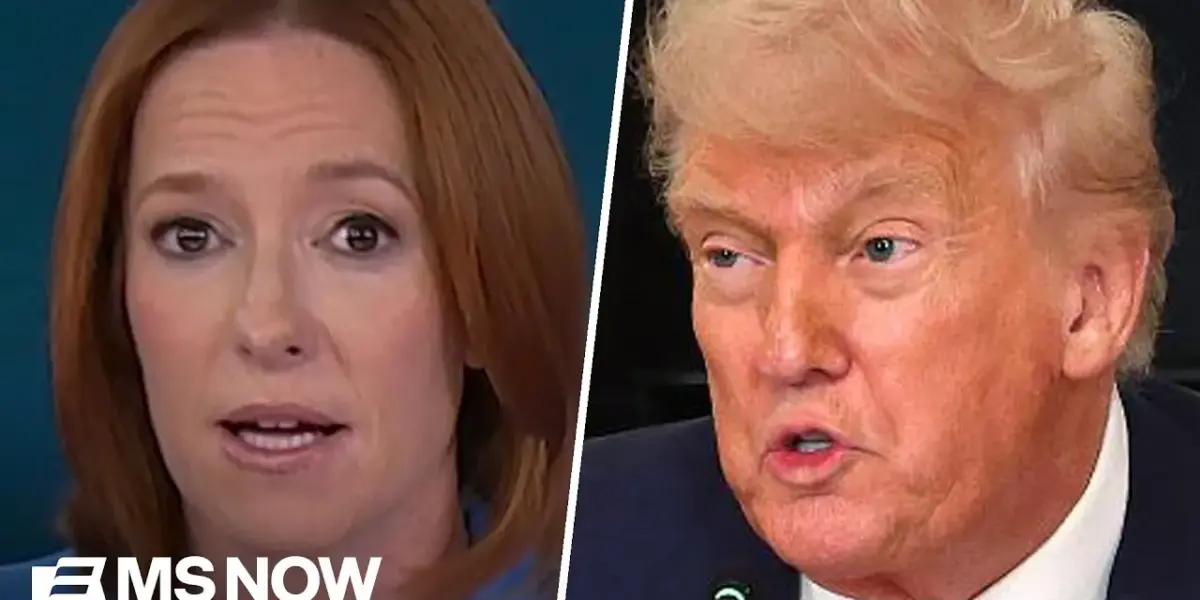
Oil Prices Surge as Trump’s Iran Standoff Disrupts Global Markets
WASHINGTON D.C. – The escalating tensions between the United States and Iran, initiated by President Donald Trump, are now directly impacting American households, evidenced by a significant nosedive in the stock market and a sharp rise in gasoline prices. In less than two weeks since the conflict began, the cost of gas has climbed nearly 60 cents per gallon, with indications that further increases are likely.
“Short-Term Pain, Long-Term Gain” Narrative Emerges
In response to the economic fallout, President Trump and his allies in Congress and the media have adopted a consistent talking point: that current economic hardships are merely “short-term pain for long-term gain.” This slogan, frequently repeated by White House officials and conservative media, aims to reassure the public that the disruptions are temporary and for a greater future benefit. However, the immediate reality for consumers filling their tanks paints a different picture, as the phrase offers little solace amidst rising costs.
“There’s going to be some short-term pain, but I can assure you it’s going to be for the benefit of the long term gain. He’s willing to take the short-term pain in order to realize a long-term gain.”
– A common refrain from Trump allies regarding the economic impact of the Iran conflict.
The Strait of Hormuz: A Critical Chokepoint
The core of the economic crisis lies in the disruption of oil flow through the Strait of Hormuz, a vital waterway located off Iran’s southern coast. This narrow passage is crucial for global oil transportation, and any impediment to shipping significantly reduces the amount of oil reaching the market, inevitably driving up prices due to supply and demand imbalances. Iran’s new hardline leader has vowed to keep the strait closed, effectively threatening to choke off major oil suppliers for the foreseeable future. This strategic move presents a formidable challenge to global energy markets and exacerbates the price of gasoline worldwide.
Global Efforts Fall Short in Stabilizing Oil Markets
In an unprecedented move, the International Energy Agency (IEA), established in the 1970s to manage emergency oil stockpiles, announced the largest release of oil reserves in its history. The objective was to flood the market with additional oil, thereby lowering prices. However, this coordinated global effort has proven insufficient. According to The Economist, even if participating IEA countries release all available oil, it would only amount to approximately 3 million barrels per day, a fraction of the estimated 15 million barrels being lost daily due to the disruption. This highlights the immense scale of the problem and the limited capacity of existing reserves to counteract the impact.
Trump Administration’s Conflicting Signals on Hormuz
President Trump has publicly downplayed the severity of the situation, at times suggesting that the Strait of Hormuz is in “great shape” and that U.S. forces have neutralized any threats. However, recent events contradict these assertions. Just last night, two oil tankers attempting to transit the strait were attacked and erupted in flames, directly refuting claims of safety. Further complicating the situation, U.S. Energy Secretary ruled out military escorts for oil vessels, citing that even the U.S. Navy is not prepared for such operations at this time. Reports from U.S. officials to The New York Times indicate that Iran is actively laying mines in the strait, making its reopening significantly more hazardous.
Reopening Hormuz: A Daunting Military Challenge
Military analysts consulted by The Wall Street Journal suggest that reopening the Strait of Hormuz might necessitate a ground invasion to secure the Iranian coastline. This potential military escalation, coupled with Iran’s stated intent to keep the strait closed, creates a complex and potentially volatile geopolitical standoff. Analysts believe President Trump has entangled himself and the nation in a difficult situation with no easy resolution.
Economic Rebranding: Gas Prices as a Positive?
This crisis poses a particular challenge for President Trump, who has frequently touted falling gas prices as a key economic achievement of his administration. He has repeatedly claimed credit for lowering prices, often citing figures that exaggerated the extent of the decrease. Now, facing soaring costs, the White House appears to be attempting a strategic rebranding. President Trump recently suggested that higher oil and gas prices could be beneficial for the United States, as the nation is the world’s largest oil producer. He stated, “When oil prices go up, we make a lot of money.” This perspective, however, focuses on the profits of major oil and gas corporations rather than the increased expenses faced by everyday consumers at the pump.
“The United States is the largest oil producer in the world by far. So when oil prices go up, we make a lot of money.”
– President Donald Trump on the economic implications of rising oil prices.
Broader Economic Repercussions Beyond Fuel
The economic impact extends beyond gasoline. The Strait of Hormuz is also a critical route for fertilizer exports, and prices for this essential agricultural commodity are now spiking, affecting millions of farmers. Furthermore, the Pentagon has informed Congress that the conflict has already cost taxpayers over $11 billion in its first six days, a figure that does not include the costs of military hardware and personnel buildup. This translates to a daily expenditure of nearly $2 billion, with no clear end in sight for President Trump’s chosen course of action.
Looking Ahead
The coming weeks will be critical in determining the trajectory of the ongoing conflict and its economic consequences. Market observers will be closely watching for any diplomatic breakthroughs, potential shifts in Iranian policy, or further escalations that could impact global oil supplies and consumer prices. The effectiveness of international pressure and the administration’s strategy for managing the Strait of Hormuz will be paramount in navigating this escalating crisis.
Source: Reality CALLS TRUMP'S BLUFF as reassurances on Iran effects fall flat (YouTube)

Related Articles

Iran’s Capabilities Destroyed, Stocks to Soar: Analyst
Geopolitical analysis suggests Iran's military capabilities are nearing destruction, paving the way for U.S. control of the Strait of Hormuz. This resolution is expected to lower oil prices and significantly boost the stock market, according to market watchers.


Gov’t Shutdown Grips Nation as Markets Plunge
The U.S. government shutdown continues, causing historic airport delays and deepening political gridlock as lawmakers reject compromise deals. Meanwhile, Wall Street experienced a sharp sell-off, with the Dow entering correction territory amid rising global oil prices and escalating tensions with Iran over control of the Strait of Hormuz.


Iran Bombs U.S. Planes, Escalating Mideast Conflict
Iran has directly attacked U.S. aircraft stationed in Saudi Arabia, confirmed by satellite imagery showing significant destruction. This escalation follows other recent incidents and comes amid threats of continued conflict, with officials estimating the war could last several more weeks.