Trump’s Iran Claims Shake Markets, Expose Deception
Donald Trump's claim of 'super great talks' with Iran briefly boosted markets before Iran denied any negotiations. The analysis questions Trump's motives and the credibility of the reported discussions, suggesting market manipulation.

Trump’s Iran Claims Shake Markets, Expose Deception
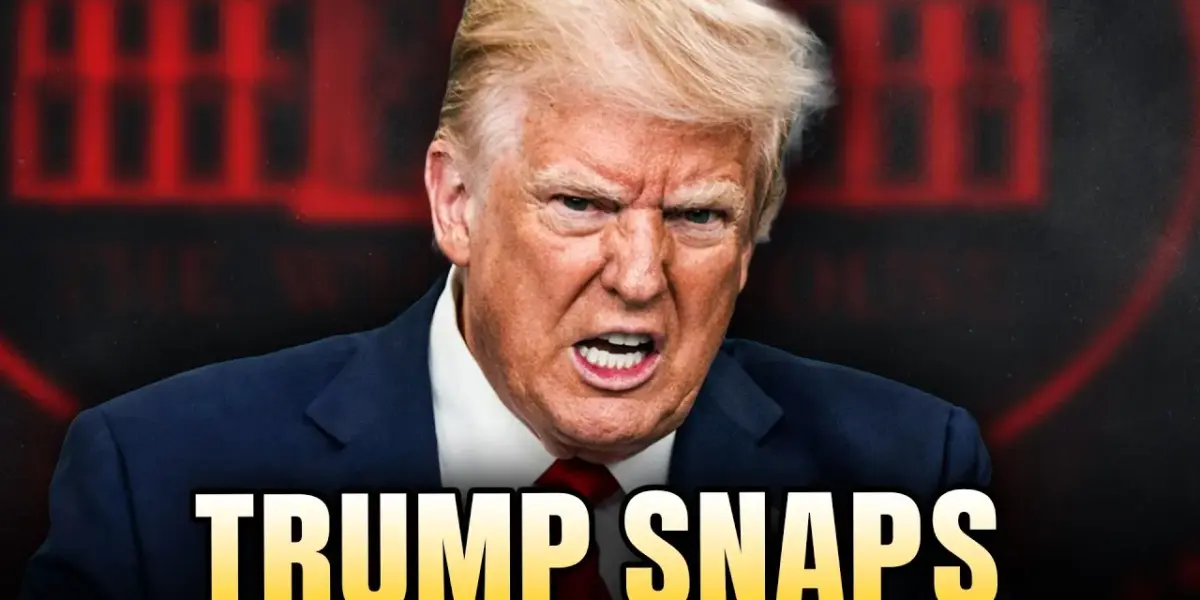
Donald Trump made a bold announcement Monday morning. He stated that the United States would not attack Iran’s infrastructure. This was because, he claimed, “super great talks” were happening. However, Iran quickly responded. They stated they had no idea who Trump was talking to, and he certainly wasn’t talking to them.
An interesting thing happened right after Trump falsely claimed productive talks were underway. Oil prices dropped, and the stock market went up. Later that day, Iran denied the talks were happening. Then, market conditions returned to where they were before Trump’s announcement. It appeared Trump’s lie about negotiating with Iran temporarily fixed market worries.
Who Had the Motive to Lie?
We need to look at who benefits from telling a lie. Donald Trump had a clear reason to claim these talks were happening. He wanted to calm the markets. Iran, on the other hand, gained nothing by denying the talks. Their denial only served to humiliate Trump or perhaps prolong economic harm to others, though causing harm doesn’t always benefit them directly. It’s more like mutually assured destruction.
Given this, it seems likely Donald Trump was the one lying. Reporters later confronted Trump about Iran’s denial. He responded by saying Iran needed “better public relations people.” Trump insisted the talks were “very, very strong” and that there were “major points of agreement.” He even suggested “almost all points of agreement” had not been properly communicated.
Misrepresenting the Negotiations
Trump claimed his special envoy, Steve Whit, and Jared Kushner were handling these talks. He described the discussions as going “perfectly.” He suggested that if followed through, the talks would “end that problem, that conflict very substantially.” The analysis notes Trump’s use of excessive adverbs like “very” and “substantially” seemed to make him sound less credible.
When asked who they were speaking with in Iran, Trump was vague. He said it was “a top person.” He added that the U.S. had “wiped out the leadership” but was dealing with a man he believed was “the most respected and the leader.” When pressed if it was the Supreme Leader, Trump said no. He also dismissed the idea of speaking with the Supreme Leader’s son.
Questionable Representatives and Motives
The situation highlighted a confusing point: Iran has a clear leader. If Trump wasn’t talking to the Supreme Leader, who was he talking to? The transcript suggests the administration sent Jared Kushner, who is known for securing business deals in the Middle East. The author questions why anyone would believe Kushner was negotiating peace instead of pursuing personal gain.
The minute you said Jared Kushner, nobody in America should have believed that there are any type of negotiations to end the conflict because there are not.
Trump described the Iranian contact as simply “a man.” This led to comparisons to a scenario where a minor interaction with one person is used to justify a large-scale response. The implication is that the Trump administration was exaggerating the importance of their contact in Iran. The analysis suggests they were talking to someone without real authority.
Market Manipulation and Lack of Authority
The core argument is that Trump’s claims were a lie intended to manipulate financial markets. The author believes Jared Kushner and Steve Whit were not talking to anyone with the authority to negotiate major issues like Iran’s nuclear program. Instead, they might have been focused on securing business deals, as has been suggested by their past activities.
The transcript ends with a strong statement: “None of it. It was all a lie to manipulate the markets.” The author expresses concern that Trump himself didn’t seem to know who his representatives spoke with. The only certainty was that it wasn’t a high-level official in Iran. This lack of clarity is described as “terrifying.” The situation implies a dangerous level of miscommunication and potential deception surrounding sensitive international relations.
Why This Matters
This event reveals a concerning pattern in how political statements can directly impact global markets. When a leader of a major country makes claims about international diplomacy, especially involving volatile regions like the Middle East, the financial world pays close attention. The quick rise and fall of oil prices and stock values show how sensitive these markets are to perceived stability or instability.
The situation also raises questions about transparency and truthfulness in political communication. If leaders can make false claims to influence markets or public opinion, it erodes trust. The transcript suggests a deliberate effort to mislead, which can have serious consequences for international relations and economic confidence. Understanding the motives behind such statements is crucial for navigating complex geopolitical events.
Historical Context and Trends
The United States and Iran have a long and complicated history. Following the 1979 Iranian Revolution, relations have been strained. Periods of tension have often involved economic sanctions and threats of military action. This history creates a backdrop where any news of negotiations, or lack thereof, is highly significant.
Past administrations have also faced scrutiny over their diplomatic efforts and public statements regarding Iran. The use of back-channel communications or dealings with lower-level officials is not entirely new. However, the specific claim of “super great talks” followed by a swift denial, coupled with market reactions, makes this instance noteworthy. It highlights a potential trend of using public announcements, even if unsubstantiated, to achieve short-term political or economic goals.
Future Outlook
The implications of this event extend beyond immediate market fluctuations. It underscores the importance of verifiable information in international diplomacy. For the public, it serves as a reminder to critically assess claims made by political figures, especially when they appear to have immediate, significant financial impacts.
Moving forward, the relationship between political rhetoric and market stability will likely remain a key area of focus. The incident also points to the ongoing challenges in U.S.-Iran relations. Without clear communication and verifiable diplomatic progress, periods of tension and uncertainty are likely to continue. The author’s skepticism about the involvement of figures like Jared Kushner in high-stakes negotiations suggests a need for greater clarity on who is truly representing U.S. interests abroad and what their objectives are.
Source: Trump SNAPS As Iran Calls Him A Liar (YouTube)

Related Articles

Stocks Ignore War Risks, Focus on “Taco Moments”
Stock markets appear to be overlooking the severe supply chain risks stemming from the Iran conflict, focusing instead on potential diplomatic de-escalations. While the S&P 500 shows resilience, bond and commodity markets signal deep concern over disruptions to critical resources like LNG, helium, and fertilizers.

US Strikes Cripple Iran’s Military Might, CENTCOM Reports
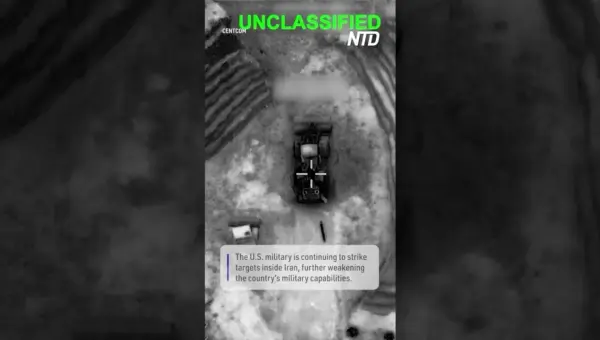
U.S. Central Command reports ongoing strikes inside Iran are significantly weakening its military power. This direct action aims to reshape regional security dynamics, but carries risks of escalation. The long-term impact depends on Iran's response and ability to adapt.
U.S. Iran Tensions Rise Amid Shifting Alliances
Rising tensions between the U.S. and Iran are creating a volatile geopolitical situation. With conflicting signals on de-escalation and potential shifts in alliances like NATO and U.S.-Israel relations, the path forward remains uncertain. The global economy and regional stability hang in the balance.