Trump’s Iran Claims Crumble Amidst Navy Ship Standoff
Reports indicate U.S. Navy destroyers were forced to turn back from the Strait of Hormuz due to Iranian threats, contradicting former President Trump's claims of military victory and open passage. Senator JD Vance is currently involved in delicate negotiations.

Trump’s Iran Claims Crumble Amidst Navy Ship Standoff
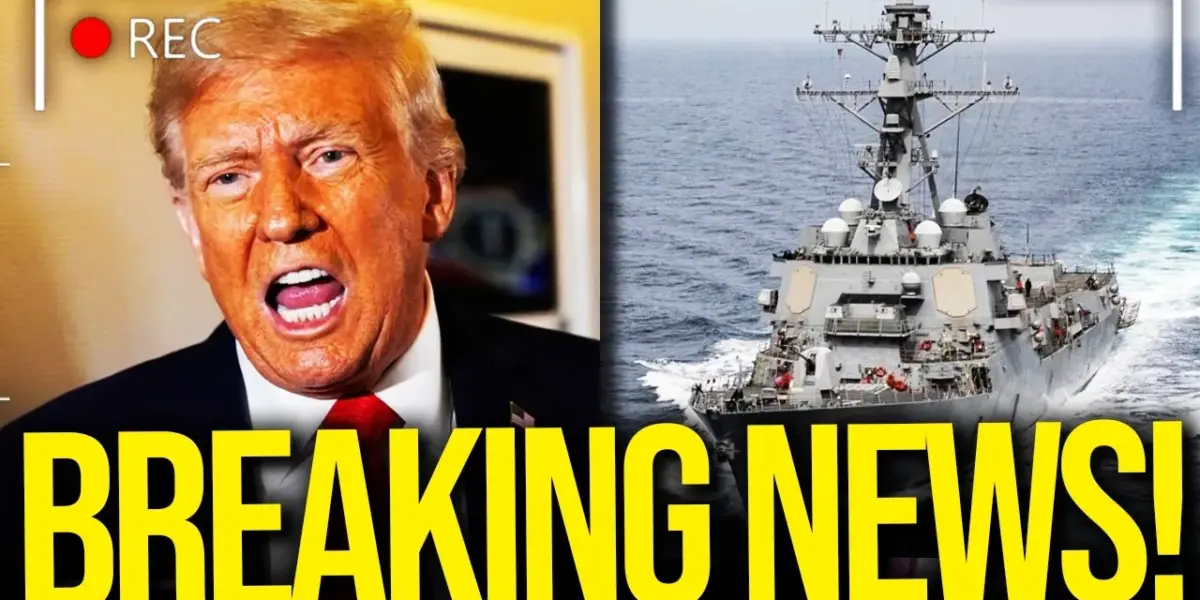
Recent events in the Strait of Hormuz have cast a harsh spotlight on former President Donald Trump’s public statements about Iran. While Trump has claimed significant military victories against Iran and asserted that the Strait of Hormuz is open for passage, reports suggest a very different reality on the ground.
Navy Ships Turn Back Amidst Tensions
Two U.S. Navy destroyers reportedly had to turn back from the Strait of Hormuz. This happened after Iran’s Revolutionary Guard Corps (IRGC) threatened the ships with a drone. This incident directly challenges claims that the waterway is safe and easily passable. The risk of such a confrontation is immense; an attack on a U.S. warship or even an oil tanker could quickly escalate regional tensions to dangerous levels.
The report found serious problems and suggests new rules that would affect all holders.
Contradictory Reports Emerge
The situation on the Strait of Hormuz appears more complex than initially presented. While some U.S. officials and media outlets, citing U.S. officials, reported that multiple U.S. tankers and destroyers had safely passed through the strait, other reports paint a starkly different picture. Citing a regional intelligence official, Bloomberg reported that the IRGC drone incident led to the U.S. Navy destroyers being turned back. This discrepancy raises questions about the accuracy of information being shared publicly.
Trump’s Public Statements Under Scrutiny
Donald Trump has actively promoted a narrative of American strength and Iranian weakness. He has posted on social media, claiming that the U.S. has “completely destroyed Iran’s military, including their entire navy and air force and everything else.” He also stated that “The Strait of Hormuz will soon be open and the empty ships are rushing to the United States to load up.” However, the reality of ongoing missile and drone launches from Iran suggests that the conflict is far from over. The strait itself remains a point of contention, with reports of mines and other threats present.
JD Vance’s Diplomatic Mission
The situation is further complicated by Senator JD Vance’s presence in Islamabad, Pakistan. Iran reportedly requested Vance to lead negotiations, viewing past dealings with figures like Steve Witkoff and Jared Kushner as betrayals. Vance, known for his anti-war stance, is now in a delicate position. He is tasked with navigating complex diplomatic waters while Trump’s administration pushes a narrative that may not align with the on-the-ground realities. Vance’s political future, particularly a potential 2028 presidential run, could be significantly impacted by the outcome of these talks.
Historical Parallels and Geopolitical Stakes
The current situation draws comparisons to historical diplomatic approaches. Some have likened Trump’s actions to both Adolf Hitler, for threatening genocide, and Neville Chamberlain, for offering what is seen as an overly generous deal that appeased Iran. This comparison highlights the perceived contradiction in Trump’s foreign policy approach. Meanwhile, Iran continues to maintain regional influence and possesses enriched uranium, posing a long-term concern regarding nuclear capabilities.
Why This Matters
The events surrounding the Strait of Hormuz are critical for several reasons. Firstly, they directly impact global oil prices and supply chains, as the strait is a vital route for oil transportation. Any disruption there has ripple effects worldwide. Secondly, the accuracy of information disseminated by political leaders is crucial for public trust and informed decision-making, especially during times of international tension. Misinformation can lead to dangerous miscalculations. Finally, the diplomatic efforts, such as those involving JD Vance, are essential for de-escalating conflicts and finding peaceful resolutions. The success or failure of these talks has significant implications for regional stability and international relations.
Future Outlook
The future of the Strait of Hormuz and U.S.-Iran relations remains uncertain. While diplomatic channels are being explored, the continued presence of threats and the conflicting narratives suggest a challenging path ahead. The effectiveness of sanctions, the potential for further escalation, and the outcome of ongoing negotiations will all shape the trajectory of this volatile situation. The role of regional allies, like Israel, which continues to signal its intent to escalate its campaign against Iran, further complicates the geopolitical landscape.
Source: Iran Humiliates Trump as JD Vance GETS BURNED! (YouTube)

Related Articles

US Minesweepers Clear Strait of Hormuz Amid Peace Talks
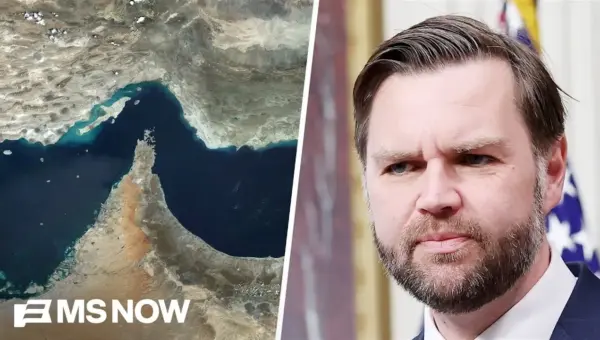
U.S. forces have commenced mine-clearing operations in the Strait of Hormuz, a critical waterway, amid high-level peace talks with Iran in Pakistan. The operation, seen as a positive sign, occurs while diplomats discuss Iran's nuclear program and regional stability. Experts weigh the risks, Iran's strategic leverage, and the complex interplay of international relations, including Israel's ongoing military actions.

US, Iran Hold Landmark Peace Talks in Pakistan
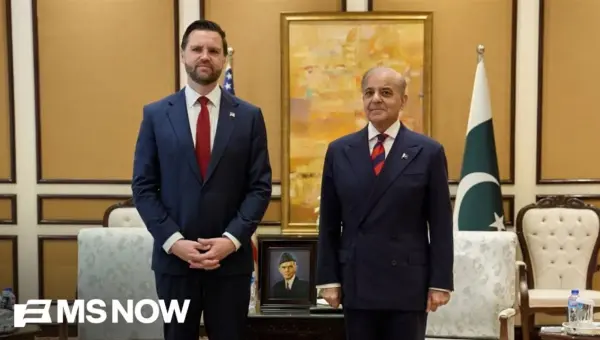
Top U.S. and Iranian delegations are holding landmark peace talks in Islamabad, Pakistan, mediated by the Pakistani government. This marks the first direct meeting between the two nations in nearly 50 years, with Vice President J.D. Vance leading the U.S. side.


Iran Talks Stall: US ‘Arrogance’ Fuels Mideast Stalemate
Peace talks between Iran and the U.S. in Pakistan have stalled due to what Iran calls "excessive demands" and a U.S. attempt to alter a pre-agreed 10-point framework. Tensions are high, with both sides expressing deep mistrust and a readiness for conflict.