Trump’s Iran Ceasefire Plan Called ‘Diplomatic Snafu’
A national security analyst has labeled former President Trump's approach to a ceasefire with Iran a "diplomatic snafu." Reports indicate multiple, conflicting 10-point peace plans were circulated, with one allegedly dismissed as AI-generated. The analyst criticized the administration's "schoolyard bully" tactics and desperate attempt to claim victory.

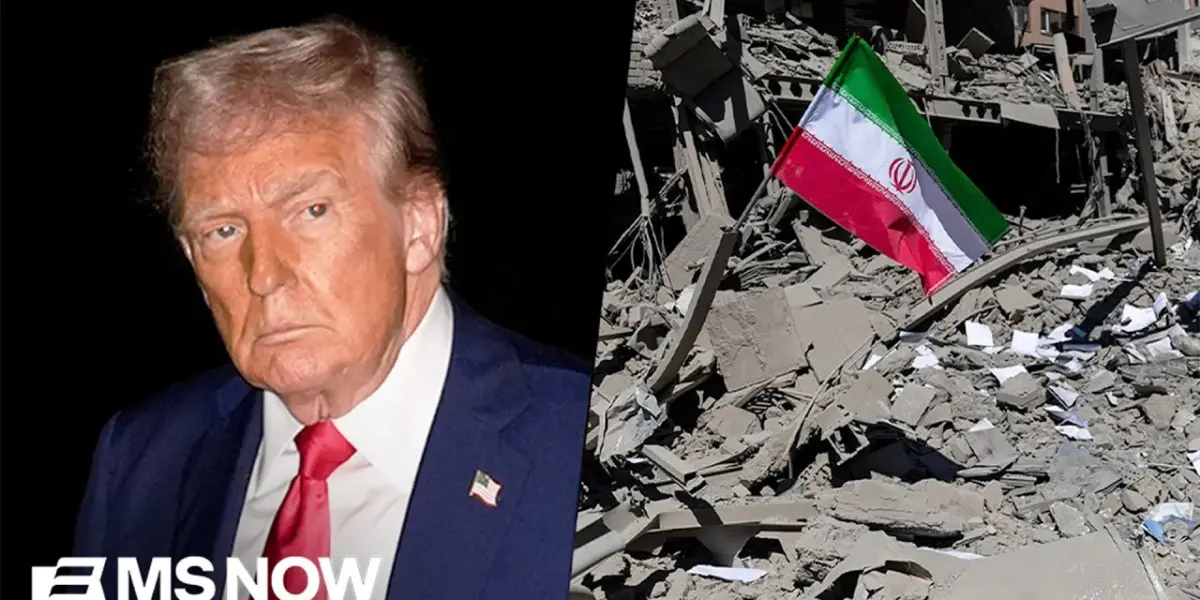
Analyst Slams Trump’s Iran Ceasefire as ‘Diplomatic Snafu’
A national security analyst has sharply criticized former President Donald Trump’s approach to a ceasefire with Iran, labeling it a “diplomatic snafu.” The criticism follows reports that multiple versions of a 10-point peace plan were circulated, with one version allegedly being dismissed as if written by artificial intelligence. This chaotic diplomatic process, according to the analyst, highlights a desperate attempt by the Trump administration to claim victory rather than achieve a stable resolution.
Conflicting Peace Plans Emerge
The controversy centers on a 10-point peace plan, with reports suggesting that an initial proposal was quickly rejected. This version was reportedly submitted to Steve Whitcoff and Jared Kushner and was immediately discarded. The analyst pointed out the unusual nature of White House Press Secretary Caroline Levitt using strong language like “thrown in the trash” to describe the plan’s rejection. The fact that Senator J.D. Vance later echoed this exact phrasing suggests a coordinated, albeit problematic, communication strategy.
“Why does it matter what is in the 10-point peace plan and what the President says was good enough for him to say, ‘Okay, now we can negotiate?'” the analyst questioned, emphasizing the importance of these details for the public to understand. The core issue, according to the analyst, is the administration’s desire to present a successful outcome, even if the reality on the ground suggests otherwise.
“The president desperately wants to find a way to claim victory and to show that things aren’t the same status quo and that we haven’t given the Iranians actually made them more powerful.”
A ‘Schoolyard Bully’ Approach
The analyst described the administration’s narrative as a “most desperate veneer” of toughness. This narrative suggests that the U.S. rejected offers from Iran, threatened severe action, and then Iran, humbled, agreed to U.S. terms. This approach is compared to a “classic schoolyard bully theme,” which the analyst finds tragic given the high stakes involved. Millions of Iranian citizens and American service members are affected by these decisions, placing them in harm’s way.
The analyst highlighted the disconnect between the various plans and the actual U.S. negotiating points. The fundamental conflict remains the U.S. demand for Iran to abandon its nuclear program and its ability to create nuclear weapons. Iran, however, views this as an existential threat and has consistently refused to comply, a stance maintained for decades.
Iran’s Demands and U.S. Concessions
For any negotiation to succeed, the analyst believes the core issue of Iran’s nuclear program must be addressed. Iran, in return, is expected to demand significant concessions. Chief among these are the lifting of economic sanctions, which have severely impacted its economy, and the right to maintain its nuclear program for peaceful purposes.
The current situation is described as a “diplomatic snafu” because, despite an apparent agreement, little was actually agreed upon. The analyst suggests that the Trump administration initiated contact with Iran, rather than the other way around. Crucially, Iran made no concessions. Instead, Iran gained leverage, particularly with control over the Strait of Hormuz, now able to charge other countries for passage and generate revenue.
Stalemate and Existential Threat
Talks in Islamabad are unlikely to progress unless the Trump administration makes significant concessions. Even after military setbacks, Iran believes it is in a strong position. The analyst noted that recent military actions, described as “decapitation strikes,” have shifted Iran’s focus to regime survival. They believe they can outlast U.S. pressure, a belief seemingly validated by the U.S. administration’s outreach.
The analyst concluded that the Trump administration’s actions and rhetoric, while causing international concern, were ultimately aimed at pausing the conflict. This pause is the current state of affairs, leaving the long-term resolution uncertain.
What to Watch Next
Moving forward, attention will be on whether the U.S. administration is willing to offer substantial concessions to Iran. The key will be observing if any genuine progress can be made on the nuclear issue, which has been the central sticking point for decades. The effectiveness of the current ceasefire and the potential for renewed conflict will also be closely monitored.
Source: ‘Diplomatic snafu’: MS NOW nat’l security analyst blasts Trump for shaky ceasefire with Iran (YouTube)

Related Articles

Trump’s Iran War Sparks Global Economic Crisis, Fuel Shortages
Donald Trump's war with Iran has triggered a global economic crisis, marked by surging inflation, gas price hikes, and potential jet fuel shortages. Iran's control over the vital Strait of Hormuz has become a key economic and geopolitical advantage, complicating U.S. objectives and impacting international stability.

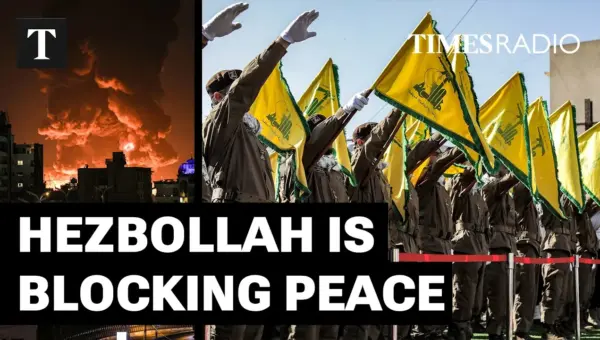
Israel Blames Hezbollah for Ceasefire Blockade
Israel identifies Hezbollah as the sole obstacle to a ceasefire amidst ongoing strikes in Lebanon that have claimed hundreds of lives. Diplomatic efforts are underway, with Lebanon seeking a truce for peace talks, while Israel vows to continue its operations against Hezbollah.
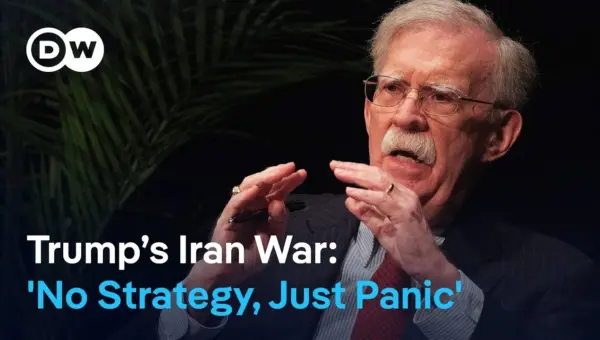
Bolton: Trump’s Iran Threats Show Panic, Not Strategy
Former National Security Adviser John Bolton characterized Donald Trump's strong rhetoric towards Iran as a sign of panic driven by domestic political concerns. He believes Trump's decision-making lacks strategic depth, potentially creating international instability. Bolton also discussed the upcoming talks involving Vice President JD Vance and the ongoing risks of escalation.