Trump’s Iran Ceasefire Deal in Chaos Amid Conflicting Claims
A fragile two-week ceasefire between the U.S. and Iran is already in jeopardy due to conflicting claims and ongoing violence in Lebanon. Key players disagree on the deal's terms, including whether it covers Lebanon and Iran's uranium enrichment rights. The confusion raises serious questions about transparency and the effectiveness of the agreement.

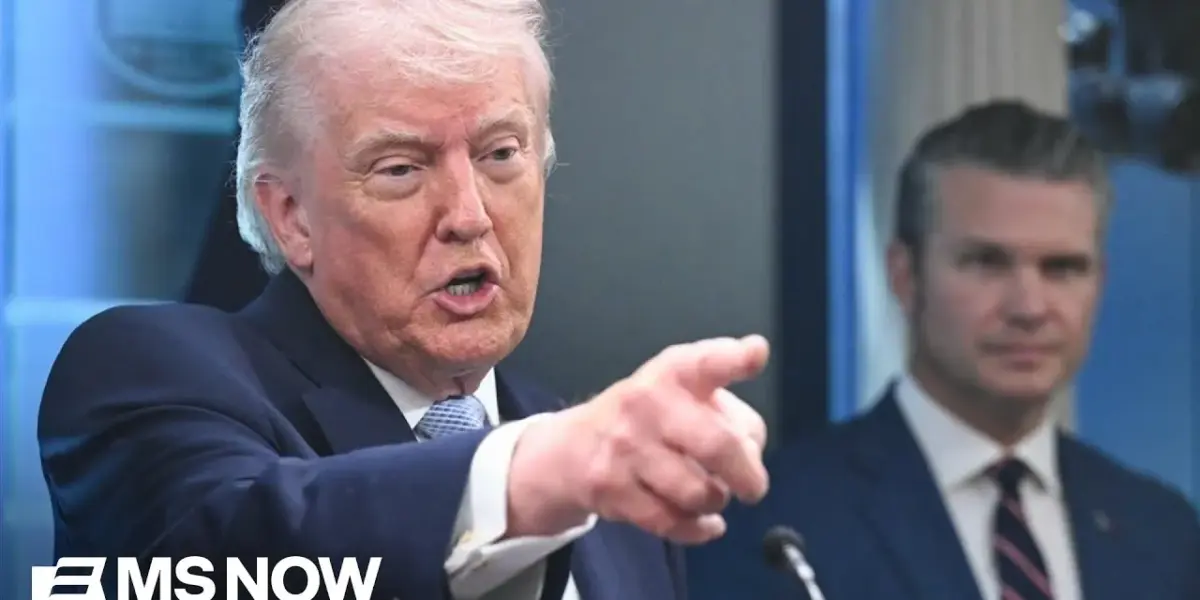
Ceasefire Falters as Key Players Disagree on Terms
A declared two-week ceasefire between the U.S. and Iran, intended to halt recent hostilities, is already facing serious challenges. Just 48 hours after its announcement, the agreement is mired in confusion, with conflicting accounts from all sides raising doubts about its effectiveness and the very nature of the peace deal itself.
Lebanon Under Fire Despite Ceasefire Claims
The conflict in Lebanon has seen some of the war’s deadliest attacks continuing despite the supposed ceasefire. Israeli bombs have reportedly devastated the country, causing hundreds of deaths and displacing tens of thousands. This ongoing violence directly contradicts the stated aim of the ceasefire, leaving many to question its validity and impact on the ground.
Global Oil Supply Remains Uncertain
A significant portion of the world’s oil and gas supply, about 20%, remains in limbo. This supply is currently held at the Strait of Hormuz, a critical shipping lane controlled by Iran. The uncertainty surrounding the Strait of Hormuz highlights the fragility of the current situation and its potential to disrupt global energy markets. Oil prices, which initially reacted positively to the ceasefire news, have since inched back up as traders express skepticism about the deal’s longevity.
Conflicting Narratives Emerge on Deal’s Scope
A central issue is the disagreement over what the ceasefire actually entails. When former President Donald Trump announced the deal, he stated that Iran had provided a “10-point proposal” that served as a “workable basis on which to negotiate.” However, Iran released its own version of this 10-point agreement, which the White House quickly labeled as “fake news.”
The Pakistani Prime Minister, who played a role in brokering the agreement, described it as an “immediate ceasefire everywhere, including Lebanon and elsewhere, effective immediately.” Both Iran and Pakistan reportedly understood the ceasefire to include Lebanon. Yet, U.S. officials, including Vice President J.D. Vance, have downplayed the ongoing strikes in Lebanon, suggesting a misunderstanding.
“I actually think… there’s a lot of bad faith negotiation and a lot of bad faith propaganda going on,” stated Vice President J.D. Vance. “I think this comes from a legitimate misunderstanding. I think the Iranians thought that the ceasefire included Lebanon, and it just didn’t. We never made that promise.”
Iran Parliament Speaker Cites Violations
The Speaker of Iran’s parliament has also voiced strong objections, asserting that the attacks on Lebanon violate the ceasefire. Furthermore, he claims the U.S. has violated the agreement by denying Iran’s right to enrich uranium, even for peaceful energy purposes. This adds another layer of complexity, as the U.S. maintains its stance on enrichment rights.
Vice President Vance, however, dismissed concerns about enrichment, comparing the situation to a personal agreement where his wife has the right to skydive but chooses not to for safety reasons. This analogy has drawn criticism, with some questioning the comparison between personal choices and international policy regarding nuclear enrichment.
Questions of Truth and Control
The conflicting statements raise significant questions about who is telling the truth and what the actual terms of the agreement are. The lack of a clear, written document accessible to the public makes it difficult to verify the claims made by each party. This ambiguity extends to critical issues like control over the Strait of Hormuz, which was reportedly open before the recent conflict began.
Former President Trump recently posted, “Iran is doing a very poor job. Dishonorable, some would say, of allowing oil through the Strait of Hormuz. That is not the agreement we have.” This statement directly contradicts the earlier narrative and adds to the confusion surrounding the deal’s objectives and outcomes.
Broader Implications and Future Outlook
The situation highlights the challenges of establishing and maintaining peace in a complex geopolitical environment. The lack of clear communication and the presence of conflicting interests threaten to undermine any progress made. The average price of gas in the U.S. has risen to $4.16 per gallon, with further increases possible if the situation does not stabilize.
Vice President Vance is reportedly traveling to Pakistan to lead U.S. talks on Iran, while Israel has announced plans for direct ceasefire talks with Lebanon. However, with bombs still falling, the path forward remains uncertain. The two-week window of the current ceasefire is ticking, and the lack of a clear exit strategy or a concrete plan raises concerns about the long-term implications of this volatile situation.
Congressional Action Blocked
In Congress, Democrats attempted to pass a resolution limiting President Trump’s war powers regarding Iran. However, Republicans blocked this measure, indicating a divided approach to the ongoing conflict and the President’s authority.
Source: ‘Who’s telling the truth here?’: Velshi slams Trump’s spin of shaky Iran deal (YouTube)

Related Articles
Trump Faces Backlash as Allies Criticize His War Strategy
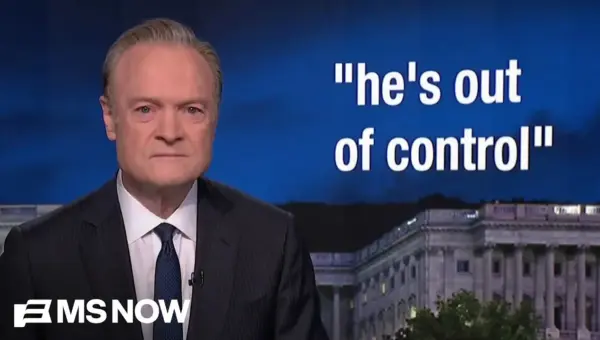
Donald Trump is facing increasing criticism from allies and political figures over his handling of a foreign conflict, with concerns mounting about his mental stability and decision-making. His wife, Melania Trump, has entered the discourse, calling for testimony from Epstein survivors, while figures like Marjorie Taylor Greene question his fitness for office. Reports also highlight issues with military preparedness and Trump's unique approach to international negotiations.
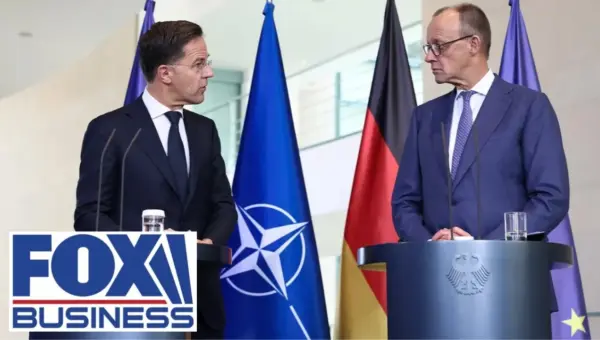
Rutte Faces Backlash: Trump Allies Criticize NATO Chief
NATO Secretary General Jens Stoltenberg's remarks on global safety and Iran's nuclear program have drawn fire from Trump allies. Former State Department official Christian Whiton called Stoltenberg the "odd man out" in Europe, questioning the substance behind his supportive words for U.S. policy. The debate also raises questions about potential U.S. troop realignments within the NATO alliance.
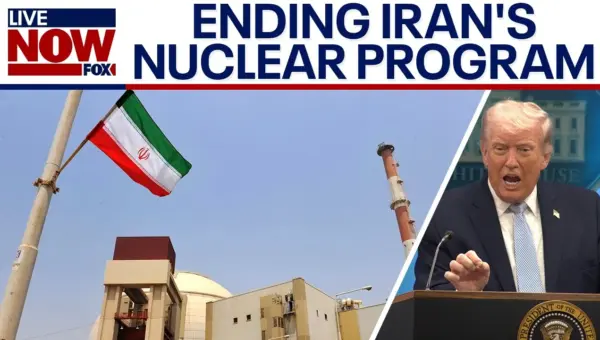
US Demands Iran Halt Nuclear Program in Peace Talks
The United States will demand Iran completely end its nuclear program during peace talks in Pakistan this weekend. Vice President JD Vance will push for Iran to hand over all materials related to nuclear weapons development. Experts express low expectations for significant breakthroughs, citing Iran's past actions and current stance on uranium enrichment.