Trump’s Iran Bombing Threat Sparks War Crime Fears
President Donald Trump's threats to bomb Iranian civilian infrastructure, including power plants and bridges, have sparked international alarm. Experts warn these actions could constitute war crimes, while critics question the coherence of U.S. strategy and its impact on global standing.

Trump’s Iran Warning Sparks War Crime Fears
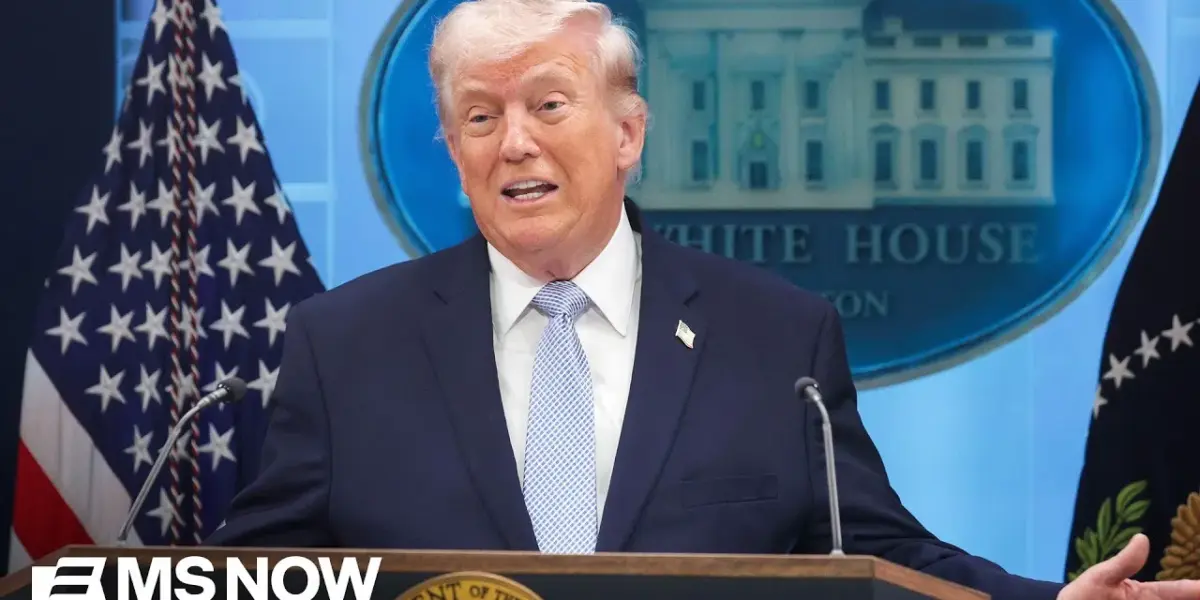
President Donald Trump’s recent remarks regarding a potential military action in Iran have ignited widespread concern, with experts warning that his proposed attacks on civilian infrastructure could constitute war crimes. The president’s refusal to directly answer whether he would commit such a crime, coupled with statements to The New York Times suggesting he doesn’t need international law, has raised serious questions about the U.S. approach to the escalating conflict.
A Nation Divided on Escalation
The prospect of further military escalation in Iran comes at a time when many Americans appear to have lost appetite for prolonged conflict. Recent polls indicate public weariness with ongoing wars, and even Trump’s base shows signs of skepticism. Former Congresswoman Marjorie Taylor Greene, once a staunch ally, tweeted her disapproval, urging the administration to pursue peace rather than escalating a war that is harming people and failing to fulfill campaign promises.
“Christians in the administration should be pursuing peace, urging the president to make peace, not escalating war that is hurting people. This is not what we promised the American people when they overwhelmingly voted in 2024.”
Journalist Peter Hamby of Puck News has even drawn parallels between the potential fallout from the Iran conflict and Hurricane Katrina, suggesting it could become a defining symbol of government incompetence with significant political consequences for Trump.
Incoherent Strategy or Calculated Threat?
During a lengthy press conference, President Trump dismissed Americans skeptical of the war as “foolish.” However, his explanations for potential actions in Iran often lacked coherence, according to analysts. For instance, his claim that Iran desired to be bombed was met with skepticism. Later, he stated his hand was forced into such actions, a contradiction that fueled confusion.
The situation surrounding the Strait of Hormuz also highlighted inconsistencies. Trump initially suggested the strait would open naturally and that it was Europe’s responsibility to ensure passage. Yet, he later declared securing the strait a top priority for any peace deal, emphasizing the potential disruption caused by even a single mine.
Sam Stein, managing editor at The Bulwark, described the threats as “insane grandiose threats that are war crimes.” He noted the artificial deadline of 8 p.m. the following day, leaving many to wonder if it was a negotiating ploy or a prelude to “a genuine atrocity that we have no power to stop.”
The Risk to Service Members and International Standing
Max Rose, a former New York Congressman and advisor for VoteVets, pointed out the damage already done to America’s standing and the risks to service members who would carry out potential war crimes. He argued that the U.S. strategic goal seemed to be returning to the status quo from 90 days prior, a goal that might now require invading Iran for regime change. This, he stated, would put multiple divisions at risk, mirroring the invasion of Iraq over 20 years ago.
Rose emphasized that achieving regime change from the air is impossible and that the current situation is entirely of Trump’s making. He lamented the wasted resources and the worsening affordability crisis, all for a goal that could have been achieved without such immense risk.
Military Lawyers Weigh In on Lawful Targets
Margaret Donovan, a former JAG officer and assistant U.S. attorney, explained the legal complexities of targeting civilian infrastructure. While bridges and power plants can be legally targeted under certain circumstances, she stressed that this requires significant analysis and a formal determination of military advantage. Donovan criticized Trump’s statements as those of an “incoherent Commander in Chief,” creating confusion for commanders down the chain of command.
“The plan that the president has laid out in that press conference of simply in the country, every bridge in the country is targetable, that just does not pass any relevant tests…”
She further stated that blanket threats to destroy entire countries or all bridges are “per se war crimes” and that commanders would be obliged not to follow such “blatantly unlawful orders.”
Republican Silence and International Consequences
The lack of strong opposition from Republican members of Congress to Trump’s pronouncements was also a point of discussion. While some Republicans, like Senator Curtis of Utah, have expressed reservations, the majority remain aligned with Trump. Even figures like Ann Coulter and Candace Owens have voiced discomfort, highlighting a growing unease within certain conservative circles.
Donovan warned of the dire consequences for the U.S. on the world stage if it adopts a reputation for violating international norms, akin to China and Russia. Such actions, including indiscriminate killing of civilians or destruction of infrastructure without a plan for rebuilding, would represent a “sea change” in warfare. This would mean ripping up international agreements like the Geneva Conventions and the UN Charter, which are legally binding.
“We also stand to lose extremely valuable international alliances because no country is going to trust us,” Donovan concluded. “It would be internationally sort of catastrophic to the United States’ standing.”
Looking Ahead
As the deadline approaches, the world watches to see if President Trump will follow through on his threats or if diplomacy will prevail. The legal, ethical, and geopolitical implications of his statements continue to reverberate, raising critical questions about the future of U.S. foreign policy and its commitment to international law.
Source: ‘Genuine Atrocity’ or TACO?: Trump’s Iran Warning (YouTube)

Related Articles

Iran Infrastructure Attack: 100 Years to Rebuild?
Claims suggest that devastating attacks on Iran's infrastructure could require a century to rebuild, highlighting the immense power of modern military capabilities. A past bridge strike illustrates the speed of such destruction, with rebuilding efforts potentially relying on U.S. expertise.

Trump Details Iran Strategy, Warns of ‘Stone Ages’ if Deal Fails
President Donald Trump detailed his administration's strategy regarding Iran, emphasizing the goal of preventing nuclear proliferation and countering regional aggression. He warned that failure to reach a deal could result in Iran being pushed into the 'stone ages' with strikes on critical infrastructure.

Trump Details Iran Rescue, Faces Fact-Checks on Claims
President Trump's recent press conference featured strong threats against Iran and a detailed account of a pilot rescue. However, claims about the rescue being a "first" and the disclosure of sensitive operational details drew immediate fact-checking and criticism from national security experts and journalists.