Trump’s Iran Bombing: Supporters Face Hypocrisy Dilemma
The Trump administration's recent airstrikes against Iran have ignited controversy, highlighting a stark contradiction with the former president's anti-war campaign promises. Many supporters are grappling with this shift, while political figures find their past statements under scrutiny.

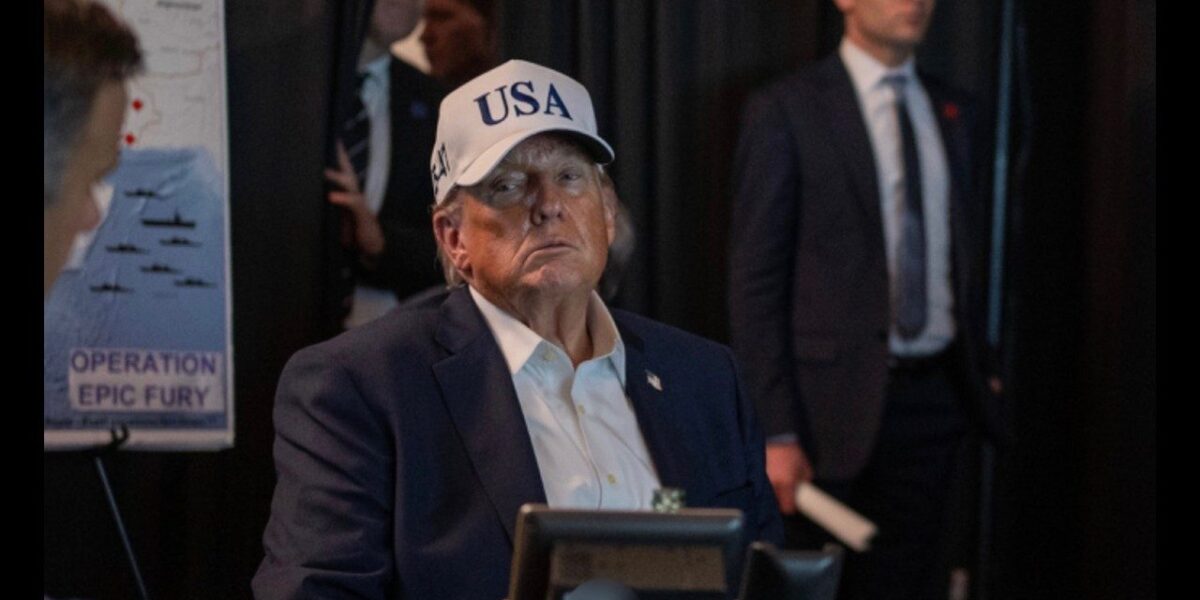
Trump Administration Launches Airstrikes Amidst Shifting Stances
In a significant escalation of foreign policy, the Trump administration has launched airstrikes against Iran, a move that has placed many of his staunch supporters in a difficult position. The decision to engage in military action contrasts sharply with previous campaign rhetoric and public statements made by the former president and his allies, who often championed an anti-war platform and vowed to avoid new conflicts. This divergence has exposed a deep hypocrisy for some, while others appear to maintain unwavering loyalty, regardless of policy shifts.
Contradictory Statements Surface
A review of past statements reveals a stark contrast between Donald Trump’s promises and his administration’s current actions. During his presidential campaigns, Trump frequently criticized interventionist foreign policy and pledged to prioritize an “America First” agenda, often emphasizing the avoidance of costly and protracted wars. He stated, “We don’t want to see wars. I don’t want to see wars. I was in no wars other than we finished a war with ISIS and we completed it 100% complete.” However, the recent “Operation Epic Fury” marks a significant departure from this stance.
Political Figures Under Scrutiny
Several prominent political figures, once vocal critics of military engagement, now find themselves defending or aligning with the administration’s actions. JD Vance, who in 2023 advocated for avoiding war with Iran, stating, “our interest I think very much is in not going to war with Iran, right? It would be huge distraction of resources. It would be massively expensive to our country,” recently retweeted an image from the situation room related to the ongoing operation. Similarly, Nikki Haley, who in early 2024 expressed confidence in moving “back from the brink of war,” later described the current operation as “a true example of good versus evil.”
Pete Hegseth, who previously dismissed the importance of “democracy building, interventionism, undefined wars, regime change,” has also shifted his position. He stated, “The Iranian regime had their chance and refused to make a deal, and now they are suffering the consequences.” Even Steven Miller, who had previously warned that Kamala Harris would “send your sons to war,” enthusiastically retweeted Trump’s speech announcing the military action.
Trump’s Own Past Warnings Re-emerge
Adding another layer to the controversy, Trump’s own past pronouncements about the political motivations behind potential wars have resurfaced. In 2011 and 2012, he speculated that then-President Obama might initiate a conflict with Iran for political gain. “I believe that he will attack Iran sometime prior to the election because he thinks that’s the only way he can get elected,” Trump said in 2011. He further elaborated in 2012, “I think Obama will go to war with Iran because I think he views it as good politically… I think he’s just waiting for the right moment.” He also warned Iran, “they are overplaying their hand… unless something else happens first, like somebody wanting to get elected and the only way he’s going to do it is to start a war with Iran.”
During the announcement of the recent strikes, Trump acknowledged the potential risks, stating, “The lives of courageous American heroes may be lost and we may have casualties. That often happens in war, but we’re doing this not for now. We’re doing this for the future and it is a noble mission.” This statement drew parallels to a past remark attributed to him: “Some of you may die, but it’s a sacrifice I am willing to make.”
Supporters Divided: Loyalty vs. Principles
The shifting political landscape has created a schism among Trump’s supporters. While many continue to express unwavering loyalty, a segment is vocalizing disillusionment. Marjorie Taylor Greene, a prominent supporter, expressed frustration, stating, “We said no more foreign wars, no more regime change. We said it on rally stage after rally stage, speech after speech. Trump, Vance, basically the entire admin campaigned on it and promised to put America first and make America great again.” She added, “My generation has been let down, abused, and used by our government our entire adult lives… Thousands and thousands of Americans from my generation have been killed and injured in never-ending pointless foreign wars and we said no more.”
However, Greene is noted as being in the minority. The transcript highlights the existence of individuals like “Cat Turd,” who previously asserted, “there would be no war if Trump was president,” and now appears to be celebrating the military action with fire emojis, while still referencing a general dislike for foreign wars. This highlights a perceived lack of consistent principles among some online personalities and their followers.
Broader Implications and Recurring Themes
The situation underscores a recurring theme in Donald Trump’s political career: a pattern of making promises to voters and then acting in ways that contradict those pledges once in power. Beyond foreign policy, critics point to other areas where Trump’s actions have diverged from his campaign promises, including economic policy and the release of sensitive information. The article suggests that Trump’s primary motivation remains self-interest, and that his supporters may find their own principles compromised when aligning with a leader who lacks a consistent ideological foundation.
The piece also touches upon the influence of social media in shaping political discourse and the potential for censorship. The author notes the reliance on social media platforms and the vulnerability of independent media to decisions made by tech billionaires, suggesting that direct communication channels like newsletters are crucial for reaching audiences.
Looking Ahead
As the situation in Iran continues to develop, the political fallout from these airstrikes and the resulting internal contradictions within the Republican party will likely remain a significant focus. The long-term impact on Trump’s political standing and the broader implications for American foreign policy and its global alliances remain to be seen. Observers will be watching closely to see if this event leads to a further fracturing of the Republican base or a renewed consolidation of support around the former president.
Source: Trump’s Iran bombing BACKFIRES with surprise update (YouTube)

Related Articles

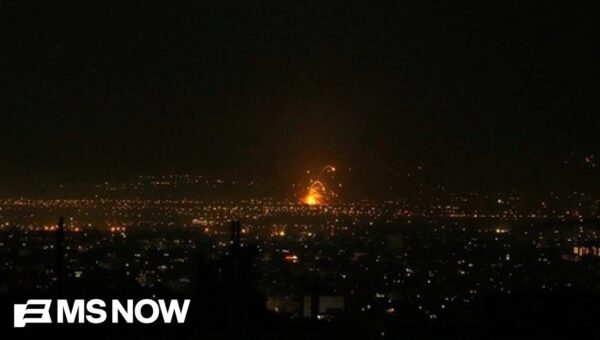
Trump’s Shifting Iran Stance: From Dealmaker to War Talk
President Trump's rhetoric on Iran has undergone a significant shift, contrasting his past calls for diplomacy with recent threats of military action. This shift follows a period of escalating tensions, withdrawal from the Iran nuclear deal, and renewed indirect negotiations.
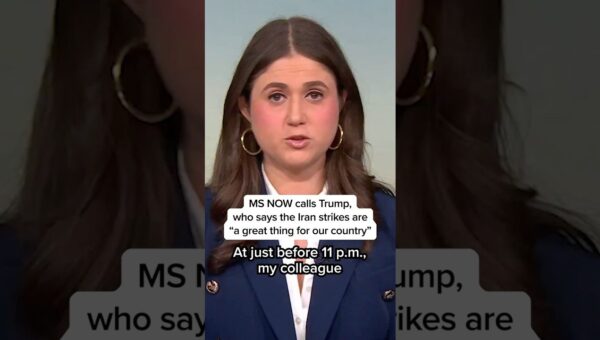
Trump Hails Iran Strikes as ‘Great Thing for Our Country’
President Donald Trump described the recent strikes in Iran that killed the country's supreme leader as "a great thing for our country." In a call with MS NOW, Trump also called celebrations in both Iran and the U.S. "fantastic."
Germany on US-Israel Strikes: No “Lecturing” Partners
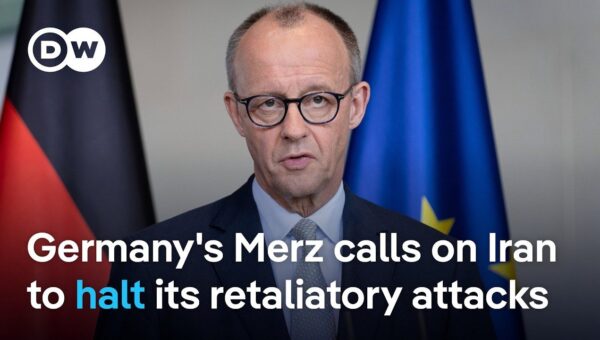
Germany's Chancellor Scholz calls on Iran to end its attacks and nuclear program but refrains from "lecturing" US-Israel on international law regarding recent strikes. Berlin increases security for Jewish institutions amid fears of retaliation.