Trump’s Iran Blockade Sparks Global Economic Fears
President Trump has ordered a blockade of the Strait of Hormuz, sparking fears of global economic turmoil and rising gas prices. Experts warn the move could destabilize the region and damage international relations, citing potential disruptions to oil, vital materials, and shipping lanes. The decision faces sharp criticism for its potential economic fallout and impact on global trade.


Trump Orders Strait of Hormuz Blockade, Experts Warn of Global Fallout
In a move that has sent shockwaves through global markets and drawn sharp criticism from foreign policy experts, President Donald Trump has ordered a blockade of the Strait of Hormuz, set to begin Tuesday morning. The U.S. Central Command announced the blockade, which will restrict all vessels from all nations entering or leaving the vital waterway. This action escalates tensions with Iran just one day after Vice President J.D. Vance’s peace talks with the nation failed.
Market Turmoil and Rising Gas Prices Feared
The immediate impact of the blockade is already being felt in oil markets. Futures trading saw oil prices jump significantly even before the blockade officially begins. Analysts warn this is a clear signal that markets view the situation as escalatory, with no easy resolution in sight.
Jake Conley, a breaking news reporter at Yahoo Finance, explained the market’s reaction: “The market is reading this exactly one way. This is only going to be escalatory, right? There is not an easy way out now that talks seemingly in public have failed.” He added that gasoline and diesel prices are expected to follow oil’s upward trend. Shipping and insurance industries are also bracing for disruption, citing the need for safety protocols that are currently absent.
The blockade is expected to cut off approximately two million barrels of oil per day that currently pass through the Strait of Hormuz. This includes a significant portion of Iran’s oil exports. Concerns are also rising about potential disruptions to the Red Sea, which could impact oil coming from countries like Saudi Arabia, further tightening the global market.
“The market is only looking tighter from here.”
Critiques Mount Over Diplomatic Strategy
The decision to blockade the Strait of Hormuz comes amid criticism of the administration’s diplomatic efforts. Vice President Vance’s lengthy negotiation session in Pakistan reportedly ended without a peace deal. George Conway, a lawyer and president of the Society for the Rule of Law, questioned the strategy behind sending Vance on what he called a “fool’s errand.”
Conway expressed skepticism about the effectiveness of the administration’s approach: “Nobody can succeed in this negotiation because basically we’ve eliminated… We totally inverted the Iranians’ incentives not to do the things we’ve always wanted them not to do.” He pointed out the apparent contradiction in U.S. policy, shifting from wanting Iran to sell oil to reduce market pressure to now blocking that very trade.
Conway also highlighted the damage to American credibility on the world stage. “The worst thing about it is American credibility, not just in dealing with the Iranian regime, but to try our world,” he stated. He characterized Trump’s actions as erratic and lacking a clear understanding of global politics.
Global Economic Ripple Effects
The implications of the blockade extend far beyond oil prices. Experts warn of broader economic consequences, particularly for countries heavily reliant on the Strait of Hormuz for energy imports.
China, which receives 90% of its oil from the Persian Gulf, faces significant challenges. The potential blocking of Chinese supertankers could severely strain U.S.-China relations, especially with a presidential meeting scheduled for next month. This adds another layer of complexity to ongoing trade and technology negotiations between the two global powers.
Beyond oil, the Strait of Hormuz is a crucial transit point for other vital materials. Helium, used in semiconductor manufacturing, and Liquefied Natural Gas (LNG) destined for Taiwan, also pass through the strait. Disruptions to these supplies could impact the production of semiconductors, which are essential for the AI industry and the broader U.S. economy.
“This is not just an oil market shock. This is kind of an everything shock now.”
U.S. farmers are also concerned, as disruptions could affect fertilizer prices, potentially leading to higher food costs for consumers. The cascading effects suggest a potential “everything shock” rather than just an isolated oil market event.
Precedent for International Law and Future Conflicts
The blockade also sets a concerning precedent for freedom of navigation and international law. Critics point to existing tensions in the South China Sea and question the consistency of U.S. policy regarding maritime access.
The unpredictable nature of the decision-making process, reportedly driven by President Trump’s impulses rather than strategic planning, raises alarms. Experts suggest that such actions could further destabilize an already volatile region and create new diplomatic crises.
As the blockade takes effect, the world watches closely to see how international partners will respond and what further economic and political repercussions will emerge. The long-term consequences for global trade, international relations, and regional stability remain a significant concern.
Source: George Conway MOCKS Trump’s new Iran plot: ‘Blockading the blockade’ (YouTube)

Related Articles

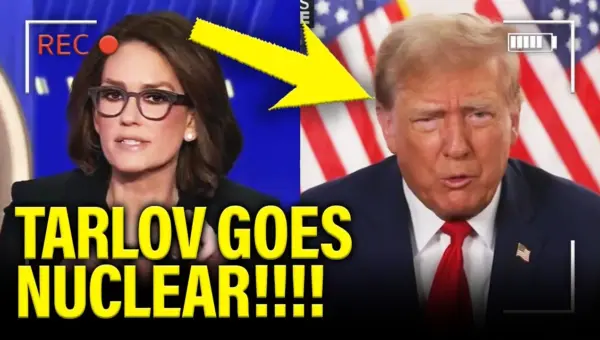
Trump’s Ceasefire Claims Crumble Amidst Real-World Violence
Claims of a ceasefire were exposed as fabrications amidst ongoing violence, particularly in Lebanon, where a single day saw a record death toll. This situation highlights the dangers of political narratives clashing with harsh realities and questions the integrity of diplomatic pronouncements during conflict.
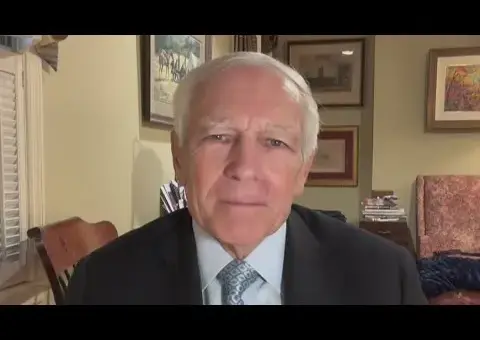
U.S. Readies Military Might as Iran Tensions Spike
U.S. military readiness is heightened as tensions with Iran escalate, particularly concerning the Strait of Hormuz. While diplomatic channels are being explored, the potential for military action looms. The crisis has significant implications for global energy security and regional stability.


Trump Orders Iran Port Blockade, Gas Prices May Rise
President Trump has ordered the U.S. military to blockade Iranian ports, a move set to begin tomorrow morning, potentially impacting global oil prices. Meanwhile, millions face severe weather across the U.S., from tornadoes to flash floods. Additionally, Congressman Eric Swalwell faces calls to resign amid sexual assault allegations.