Trump’s Iran Blockade Backfires, Sparking Global Outcry
Donald Trump's announcement of a blockade on the Persian Gulf has backfired, drawing international condemnation and threats of retaliation from Iran. The move highlights the volatile nature of global trade routes and raises concerns about escalating geopolitical tensions and economic instability.

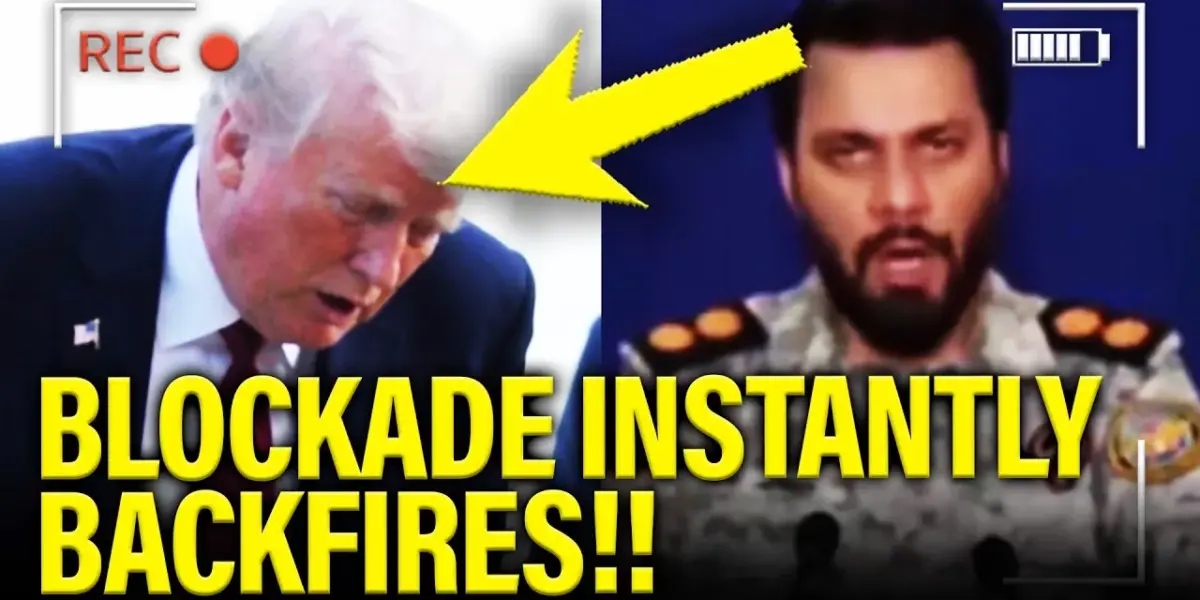
Trump’s Iran Policy Sparks Crisis
In a bold move, Donald Trump announced a blockade of the Persian Gulf, aiming to control oil flow from Iran. However, this decision quickly backfired, drawing sharp criticism from Iran, China, and Europe. The situation highlights the complex and often volatile nature of international relations, especially concerning vital global trade routes like the Strait of Hormuz.
The Blockade and Its Immediate Fallout
Trump’s announcement, made via social media, declared a blockade of the Persian Gulf. While the U.S. military stated the blockade targeted only Iranian ports, the practicalities of maritime law in the region make such distinctions difficult. Iran responded swiftly and aggressively, threatening to retaliate by closing the Red Sea and warning of severe consequences for global oil prices if the U.S. continued its actions.
The international community also voiced strong disapproval. China and European nations sharply rebuked Trump’s move, signaling a broad lack of support for his unilateral actions. This global backlash suggests that Trump’s strategy may be isolating the United States rather than achieving its intended goals.
Questionable Claims and Diplomatic Missteps
Adding to the controversy, Trump’s social media posts contained questionable claims. He asserted that Iran’s navy was destroyed, with 158 ships sunk, while dismissing their fast attack ships, which are equipped with missiles and crucial for controlling the Strait of Hormuz, as not a significant threat. This assessment directly contradicts the known military capabilities of Iran and its strategic use of these vessels.
Furthermore, Trump’s threats to eliminate any ships approaching the blockade, comparing them to actions against drug dealers, raised concerns about potential war crimes and the legality of such actions. His hypothetical scenarios, such as attacking Chinese or Indian flagged ships, highlight the immense risks involved in enforcing such a blockade and the potential for wider conflict.
Historical Precedents and Negotiation Tactics
The transcript draws parallels to past events, like the Cuba blockade, where threats did not lead to the intended outcomes. It also criticizes Trump’s negotiation style, describing it as confrontational and focused on threats rather than dialogue. The failure to reach an agreement in Pakistan, where negotiators allegedly threatened Iranian counterparts, further illustrates this point.
The shift in the negotiating framework, moving away from Iran’s initial 10-point plan to demanding Iran relinquish control of the Strait of Hormuz and dismantle its missile program, is cited as a major reason for the breakdown of talks. This aggressive stance, according to reports, was not well-prepared and lacked input from experts in nuclear energy or diplomacy.
International Reactions and Economic Consequences
Iran’s military spokesperson vowed that security in the Persian Gulf and the Sea of Oman would be for everyone or no one, implying that if Iran’s ports were threatened, no other port would be safe. This statement suggests a potential escalation that could disrupt global shipping and energy markets.
China, a major global player, has openly stated its commitment to peace and stability, emphasizing its trade and energy agreements with Iran. Beijing made it clear that it would not recognize the U.S. blockade and intended to continue transiting through the Strait of Hormuz, challenging Trump’s assertion of control.
The economic implications are significant. Germany’s Chancellor warned of prolonged strain on the German economy, anticipating long-term consequences from the conflict. The disruption to oil supplies could lead to surging oil prices and inflation, impacting households worldwide.
Domestic Political Ramifications
The transcript also touches upon Trump’s declining approval ratings, particularly among young voters. Statistics presented show a significant drop in net approval among men and women aged 18-29, suggesting that his policies and actions are alienating younger demographics.
Adding another layer of controversy, Trump’s social media activity during this tense period included posts depicting himself as Jesus and attacking the Pope. This behavior has been met with condemnation from religious leaders and international figures, further complicating his diplomatic efforts and public image.
Why This Matters
The events surrounding Trump’s Iran blockade highlight critical issues in international diplomacy and national security. Unilateral actions, especially those involving military threats and economic sanctions, can have far-reaching and unpredictable consequences. The global economy, heavily reliant on stable energy supplies, is particularly vulnerable to disruptions in key shipping lanes.
The incident also underscores the importance of effective communication and negotiation in resolving international disputes. When diplomatic channels are replaced by threats and ultimatums, the risk of escalation increases dramatically. The international response, with major powers like China and Europe opposing Trump’s blockade, shows that such actions can lead to isolation rather than achieving desired outcomes.
Implications, Trends, and Future Outlook
The current standoff with Iran, exacerbated by Trump’s blockade, points towards a trend of increased geopolitical tension in the Middle East. The Strait of Hormuz remains a critical chokepoint, and any disruption there has immediate global repercussions. The involvement of major powers like China adds another layer of complexity, potentially leading to a broader geopolitical competition.
Looking ahead, the effectiveness of economic pressure versus diplomatic engagement will continue to be a central debate. The failure of Trump’s approach suggests that a more nuanced and collaborative strategy might be needed to ensure regional stability and global economic security. The international community will be watching closely to see if a path towards de-escalation and constructive dialogue can be found.
Source: Trump PANICS as BLOCKADE STARTS and INSTANTLY BACKFIRES!!! (YouTube)

Related Articles

Strait of Hormuz Tensions Threaten Global Economy, Raise Oil Prices
Escalating tensions in the Strait of Hormuz have led to reduced oil shipments and a significant increase in oil prices. Experts warn that the ripple effects will soon hit consumers through higher grocery costs, with price hikes expected around April 29th. The situation remains volatile, with both military and diplomatic developments being closely watched.
Trump’s Spiritual Advisor on Controversial ‘Jesus Photo’
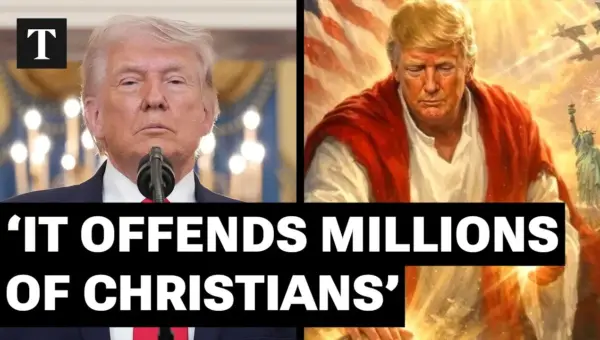
Pastor Mark Burns, a former spiritual advisor to President Trump, confirmed he urged Trump to remove a controversial social media post depicting him as a Christ-like figure. Burns stated the image offended millions of Christians and that the president is not a spiritual authority. Trump, however, claimed the image was meant to show him as a doctor.
Iran Oil Blockade Hits Exports, Negotiations Stall
The U.S. has implemented a blockade halting Iran's oil exports, significantly impacting its revenue. Negotiations have collapsed, and Iran faces limited options. This geopolitical move could lead to market volatility, particularly in oil prices.