Trump’s Iran Actions Spark Worst Energy Crisis, Ex-Aide Warns
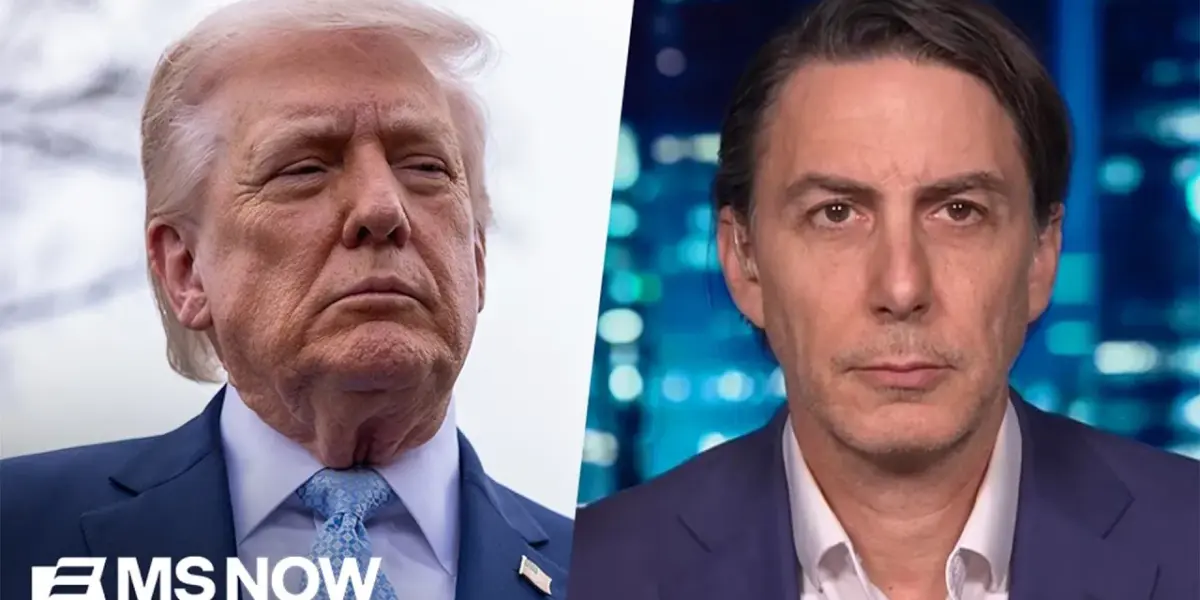
Former Biden energy aide Amos Hochstein warns that Donald Trump's actions concerning Iran have triggered the "worst energy crisis" in U.S. history. The conflict has caused a significant drop in global oil supply, leading to higher prices for fuel, food, and other essential goods. This crisis extends beyond oil, impacting diesel, jet fuel, fertilizers, and semiconductors.

Trump’s Iran Actions Spark Worst Energy Crisis, Ex-Aide Warns
Former Biden administration energy advisor Amos Hochstein stated that Donald Trump’s actions regarding Iran have triggered the most severe energy crisis in American history. The crisis stems from threats made against Iran, which led to a significant drop in global oil supply and impacts felt across various sectors of the economy.
Tense Standoff and Retracted Threat
Donald Trump initially threatened to bomb Iran’s civilian infrastructure, including power plants, if Iran did not reopen the Strait of Hormuz. This threat was set with a deadline of 7:44 p.m. However, Trump announced a retraction of this threat the following morning, delaying it by at least five days. This move was seen as an attempt to allow the stock market to recover from losses caused by the initial threat.
Global Oil Supply Plummets
The head of the International Energy Agency, speaking at Australia’s National Press Club, reported that the conflict with Iran had caused the global oil supply to decrease by 11 million barrels per day. The situation was described as “very severe.”
“This is not an oil crisis. This is the worst energy crisis we have ever seen.”
Amos Hochstein, Former White House Senior Advisor
Beyond Oil: Wider Economic Impacts
Amos Hochstein elaborated on the far-reaching consequences of this energy crisis. “We have something in the 9 to 10 million barrels of oil that are off the market every day, out of about 105 million barrels that the world needs,” he explained. The crisis affects more than just gasoline prices. It impacts diesel fuel for trucks, jet fuel for airlines, and even fertilizers essential for farmers. Additionally, the supply of helium gas for semiconductors and Liquefied Natural Gas (LNG) has been disrupted.
Hochstein emphasized that these disruptions are cutting off vital components from the world economy. “So there’s so much that’s being cut off from the world economy,” he stated. The crisis means that consumers will likely face higher costs for travel and goods.
Market Manipulation and Perceptions
Hochstein suggested that Trump’s actions were aimed at influencing market perception. “What Donald Trump has understood is that what he needs to do is to talk the market and lull the market into thinking this is almost over,” Hochstein observed. He noted that Trump’s retraction of the 48-hour timeline was a retreat that likely would have led to greater escalation if followed through. The advisor also pointed out that Trump’s statements about the war being nearly complete are an attempt to sustain market confidence, even if the reality on the ground suggests otherwise.
Iran’s Resilience and Regime Survival
Despite the conflict, Iran has shown resilience. Hochstein acknowledged that Iran is an “evil regime” responsible for killing many people. However, he pointed out that Iran has endured sanctions and conflict before and knows how to manage such situations. “The idea that they will collapse is very, very unlikely,” he said, especially after surviving the initial shock and awe phase of the conflict.
Economic Fallout and Future Prices
The ongoing war means President Trump must decide whether to cut losses or double down, a situation Hochstein compared to historical conflicts like Vietnam. The longer the war continues, the longer it will take for energy markets to normalize for consumers. Hochstein recalled that in January, when war talks began, oil prices were around $60. Now, oil is near $100, with gasoline prices nearing $4.80 and diesel exceeding $5.
He warned that even if the war ends soon, prices could remain $20 to $30 higher than they would have been otherwise. This price increase affects not only fuel but also food and other products, placing a significant strain on American families trying to balance their budgets. “Gasoline is going to cost more, food is going to cost more, and all the products that they buy are going to cost more,” Hochstein stated, adding that rising electricity prices further compound the issue.
Control of the Strait of Hormuz
Regarding control of the Strait of Hormuz, Hochstein noted Trump’s acknowledgment of Iran’s influence. “Today he said, literally, me and the Ayatollah,” Hochstein recounted. He suggested that this implies a potential joint venture or at least recognition of the Iranian regime’s power. While Iran has not officially confirmed a meeting, the U.S. has requested one.
The implication is that regime change is off the table, and the Strait of Hormuz remains a significant problem. The future control of this vital waterway is now a serious concern. Hochstein stated that countries worldwide will need to invest in alternative routes to avoid relying on such choke points. Currently, while the Strait is not officially closed, Iran is charging certain shippers in cryptocurrency to pass through. For others, passage is delayed until Iran permits it. “So we can say, look, it’s not closed, but de facto, for all intents and purposes, the Iranians control what goes through,” Hochstein concluded.
Looking Ahead
The ongoing energy crisis, exacerbated by the conflict in Iran, presents a complex challenge. As the situation evolves, attention will be on diplomatic efforts to de-escalate tensions, the impact on global energy markets, and the long-term strategies nations will adopt to ensure energy security and prevent future disruptions. The economic consequences for consumers worldwide remain a primary concern.
Source: Trump's Iran war has created 'worst energy crisis' in American history, fmr. Biden energy aide says (YouTube)

Related Articles

U.S. Iran Tensions Rise Amid Shifting Alliances
Rising tensions between the U.S. and Iran are creating a volatile geopolitical situation. With conflicting signals on de-escalation and potential shifts in alliances like NATO and U.S.-Israel relations, the path forward remains uncertain. The global economy and regional stability hang in the balance.

Trump Halts Iran Strikes Amid Stalled Diplomacy
President Trump announced a pause on planned strikes against Iran, citing productive talks, though Iran denies negotiations occurred. Reports also suggest a potential U.S. ground operation on Iran's Hark Island. The situation raises concerns about international support for Ukraine and potential shifts in U.S. foreign policy.

Polls Spell Doom: Republicans Face Voter Backlash
New polling data reveals a sharp decline in public confidence regarding the economic impact of Republican policies, particularly under Donald Trump. A significant majority now feel financially worse off, a trend that is especially pronounced among independent voters. This economic discontent poses a major challenge for the Republican party heading into future elections.