Trump’s Iran Actions: A Closer Look at Motives
Analysis suggests former President Donald Trump's actions against Iran were not motivated by a desire to help its people. Critics argue that the absence of prior humanitarian efforts or support for Iranian citizens undermines claims of benevolent intent behind military actions. The focus remains on geopolitical and retaliatory considerations as primary drivers.

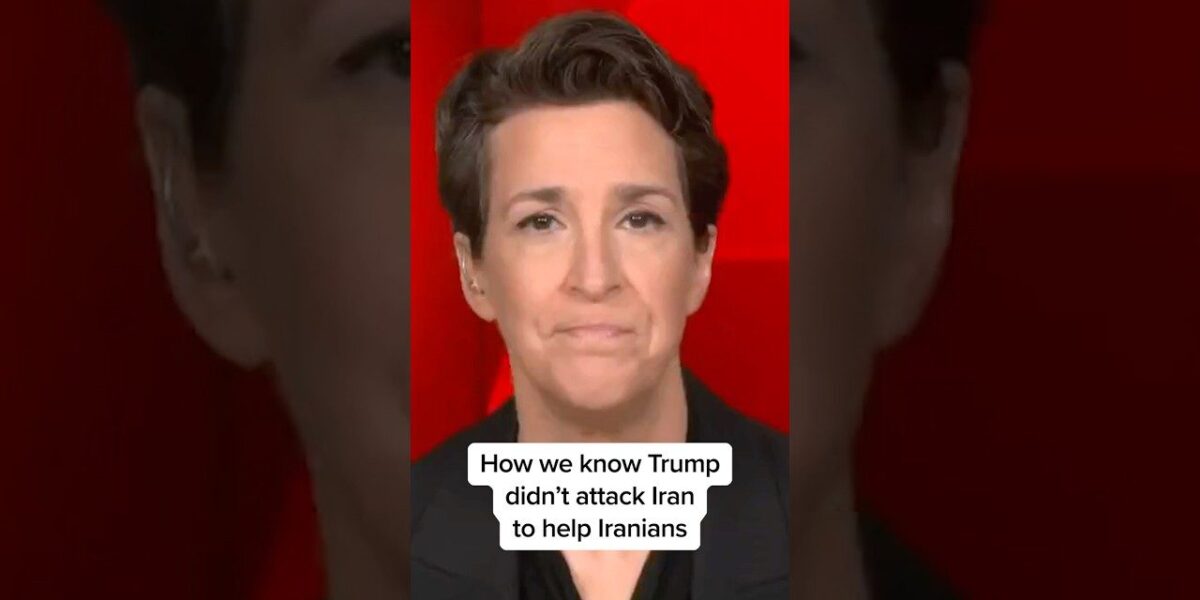
Trump’s Iran Actions: A Closer Look at Motives
Recent analyses scrutinizing former President Donald Trump’s actions toward Iran suggest a significant disconnect between his administration’s policies and the purported aim of assisting the Iranian populace. Despite a series of escalations, including targeted strikes, observers and critics argue that Trump failed to undertake the fundamental steps that would credibly signal a genuine commitment to the well-being of the Iranian people. This examination delves into the actions and inactions that fuel skepticism regarding the stated intentions behind Trump’s Iran policy.
The Disconnect in Policy
The core of the argument against Trump acting in the interest of Iranians lies in the perceived absence of preparatory or supportive measures that would align with humanitarian goals. According to commentary from MS NOW, it would be more plausible to believe Trump was acting with the Iranian people’s interests in mind if his administration had previously engaged in actions that directly addressed their needs. The implication is that the attacks, when viewed in isolation from any prior humanitarian efforts, appear to serve different, perhaps geopolitical or retaliatory, objectives rather than genuine support for the Iranian population.
What Constitutes “Helping Iranians”?
Commentators point to several areas where tangible assistance could have been offered, thereby lending credence to a humanitarian motive. These include, but are not limited to:
- Easing sanctions that impact civilian access to essential goods and medicine.
- Providing direct humanitarian aid.
- Supporting civil society and human rights organizations within Iran.
- Engaging in diplomatic channels that prioritize the welfare of ordinary citizens.
The absence of such initiatives, particularly in the lead-up to or concurrent with military actions, raises questions about the true drivers of Trump’s foreign policy decisions concerning Iran. The narrative presented suggests that the actions taken were not preceded or accompanied by the types of engagement that would typically characterize a policy aimed at benefiting a targeted population.
Geopolitical and Retaliatory Considerations
In the absence of clear humanitarian intent, the focus shifts to other potential motivations for Trump’s actions. These often include:
- Responding to perceived threats from Iran or its proxies.
- Asserting American dominance in the region.
- Fulfilling campaign promises or addressing domestic political pressures.
- Provoking a reaction to justify further escalation or sanctions.
The argument posits that Trump’s approach was more aligned with a strategy of pressure and deterrence, rather than one focused on fostering positive change or alleviating suffering within Iran. The specific instance of attacking Iran, without prior demonstrable efforts to aid its people, serves as a key piece of evidence for this interpretation.
The Broader Context of US-Iran Relations
Understanding Trump’s actions requires placing them within the long and complex history of U.S.-Iran relations. Decades of diplomatic tension, punctuated by periods of overt and covert conflict, have shaped the current landscape. Trump’s “maximum pressure” campaign, which intensified sanctions and led to increased military posturing, marked a significant departure from the Obama administration’s approach, which included the Joint Comprehensive Plan of Action (JCPOA) nuclear deal. Critics of the Trump administration’s policies often highlight the detrimental impact of sanctions on the Iranian economy and, by extension, the lives of ordinary Iranians. While proponents of the pressure campaign argued it was necessary to curb Iran’s nuclear program and regional activities, the human cost remained a significant point of contention.
The specific attacks mentioned in the analysis, while not detailed in the provided transcript excerpt, likely refer to retaliatory strikes or escalatory actions taken during Trump’s presidency. These events, when analyzed through the lens of humanitarian concern, appear to lack the foundational support that would make such a motive credible. The argument, therefore, is not necessarily that Trump did not have any strategy regarding Iran, but that the strategy, as executed, did not prioritize or demonstrably serve the interests of the Iranian people.
Conclusion and Future Outlook
The assertion that Donald Trump did not act to help Iranians when he attacked Iran hinges on the absence of preceding or concurrent actions that would signify a humanitarian or supportive intent. By failing to engage in measures such as easing sanctions or providing direct aid, the administration’s actions are framed as more consistent with geopolitical or retaliatory objectives. As U.S.-Iran relations continue to evolve, the motivations behind past actions will remain a subject of critical analysis, shaping perceptions of foreign policy and its impact on civilian populations caught in the crossfire of international tensions.
Source: How we know Trump didn't attack Iran to help Iranians (YouTube)

Related Articles
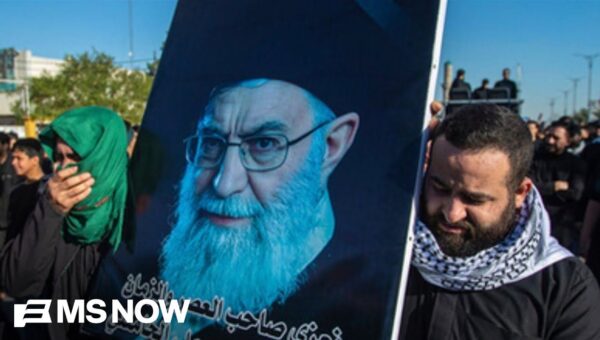
US Regime Change Efforts: A History of Tactical Wins, Strategic Losses
A comprehensive review of U.S. interventions reveals a consistent pattern: while the United States is adept at tactically removing foreign governments, achieving strategic success—the establishment of stable, legitimate political orders—has proven exceedingly difficult. Historical analysis points to unintended consequences and long-term instability as common outcomes.
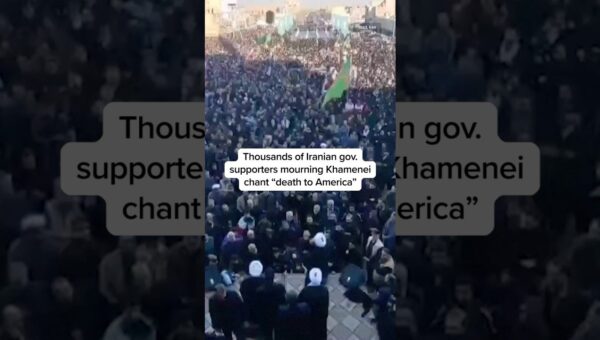
Thousands Mourn Khamenei, Chant ‘Death to America’ in Iran
Thousands gathered in Yazd, Iran, to mourn Supreme Leader Ayatollah Ali Khamenei following reported U.S. and Israeli strikes. The mourning ceremony was marked by chants of "Death to America," highlighting deep-seated anti-American sentiment amid geopolitical tensions.

Middle East Crisis Triggers Global Chaos: Flights, Oil Prices Hit
A major global crisis has erupted following coordinated strikes on Iran, triggering a massive retaliatory response that has impacted multiple countries across the Middle East. The large-scale attacks have caused widespread aviation chaos and pose significant risks to global energy markets and financial stability.