Trump’s Inner Circle: Fear of Firing Grips Pentagon
Pentagon officials are reportedly living in fear of being fired by President Trump, with Pete Hegseth allegedly at the top of the list. His recent public performance and lack of results are seen as key factors in his precarious position.

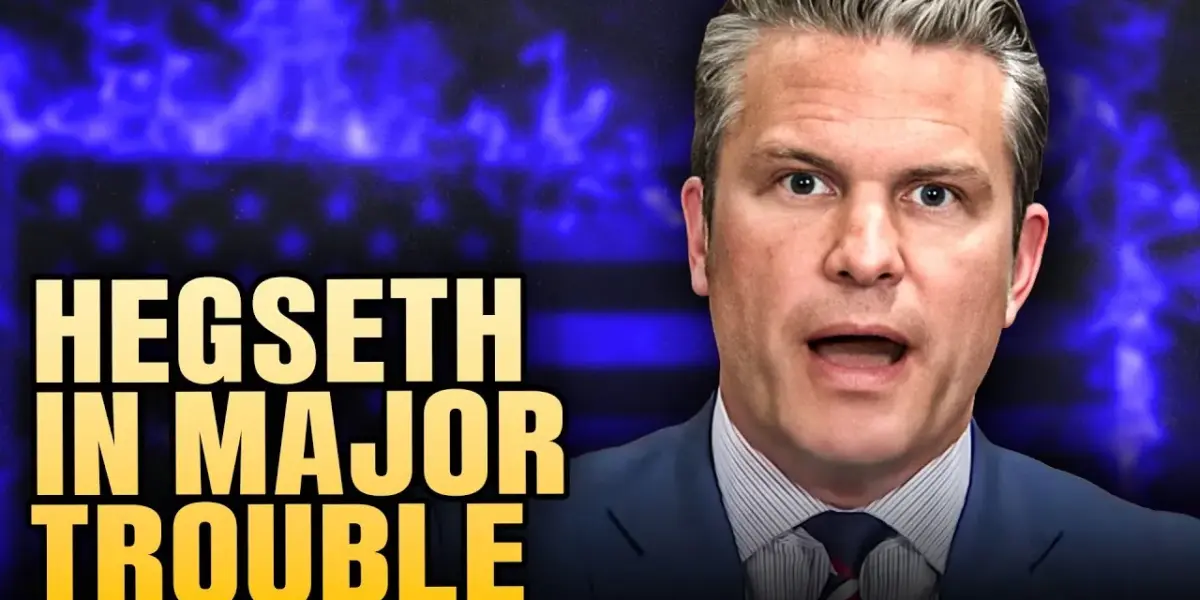
Pentagon Leaders Brace for Potential Shake-Ups Amidst Paranoia
A cloud of fear and uncertainty is reportedly hanging over the Pentagon, with top officials, including Pete Hegseth, allegedly living in constant worry about being fired by President Donald Trump. This anxiety has reportedly intensified in recent weeks as the president has already removed two cabinet members. This creates a tense environment where anyone could be next.
Internal Power Struggles and Shifting Alliances
Sources within the Pentagon suggest that Hegseth feels uncomfortable with anyone who might outshine him. This feeling is said to be the reason behind Hegseth’s recent dismissal of General Randy George, the former chief of staff. General George was the chief of staff to Army Secretary Dan Driscoll, a man now rumored to be a potential replacement for Hegseth.
Driscoll, a Gulf War veteran, is well-regarded in Congress, earning support from both Democrats and Republicans. His perceived competence and understanding of his role have led to speculation that he could easily be confirmed by the Senate if nominated. The firing of General George by Hegseth is seen by some as a display of power, an attempt to assert authority and remind everyone who is in charge.
A Public Relations Disaster and Its Fallout
Hegseth’s recent press conference did little to ease concerns, and in fact, may have worsened his situation. By all accounts, the event was a significant failure. During the conference, Hegseth reportedly snapped at a reporter, calling her rude. This behavior, an attempt to imitate Donald Trump, was perceived by many as arrogant and off-putting, arguably more so than Trump’s own style.
The optics of the press conference were so poor that even commentators like Joe Scarborough of MSNBC suggested that Hegseth could be fired solely based on that performance. Scarborough’s comments preceded reports from insiders indicating Hegseth’s growing fear of being let go.
Loyalty vs. Results: The Trump Equation
The question of whether Hegseth will be fired is complex. While loyalty is highly valued by President Trump, it appears that loyalty alone is not enough to guarantee a position if results are lacking. Drawing parallels to the firings of Christy Gnome and Pam Bondi, it seems that even deep loyalty to Trump can falter without tangible achievements.
Pete Hegseth, according to this analysis, lacks the public approval and demonstrable results needed to secure his position. The ongoing issues with the Iran ceasefire deal, which is reportedly falling apart, could become a focal point for blame. While the situation may stem from Trump’s policies, the expectation is that Trump might shift blame entirely onto Hegseth, viewing his dismissal as a solution to his own problems.
The Outlook for Hegseth and the Administration
The current climate suggests that Hegseth has significant reason to be concerned. With President Trump reportedly in a mood to make changes, and with Hegseth being identified as one of the administration’s perceived failures, his position appears increasingly precarious. The fear of being fired is not unfounded, especially as external challenges mount and internal confidence wavers.
Why This Matters
This situation highlights a recurring theme in the Trump administration: the volatile nature of personnel decisions driven by loyalty and perceived performance. It underscores how public perception and the ability to manage crises can impact even those with strong connections to the president. The focus on blame and the potential for scapegoating can create a culture of fear and instability within government bodies like the Pentagon.
Implications and Future Trends
The potential dismissal of key figures like Hegseth could lead to further shifts in leadership and policy within the defense department. It signals that performance and public image are critical factors, even for those deemed loyal. This trend suggests that future appointments and sustained roles may depend not only on allegiance but also on the ability to deliver visible successes and maintain positive public optics.
Historical Context
Throughout history, presidential administrations have seen their share of high-level staff changes. However, the Trump administration has been noted for its particularly high turnover rate and the often public and dramatic nature of these departures. This pattern suggests a leadership style that prioritizes immediate loyalty and reacts strongly to perceived failures or threats to the president’s image. The current situation with Hegseth fits within this established pattern of administrative turbulence and personal accountability.
Source: Paranoid Pete Thinks He’s Being Fired SOON (YouTube)

Related Articles
Trump Alienates Allies Amidst Iran Conflict Fallout
Donald Trump's public attacks on allies like Tucker Carlson and the fallout from the Iran conflict are creating internal divisions within the Republican party. The handling of the Iran situation has been called a "catastrophe" with significant human and economic costs, while political maneuvering by figures like JD Vance draws criticism.

Buttigieg Questions Trump’s Shifting Stance on Iran Deal
Pete Buttigieg questions Donald Trump's evolving demands on Iran, contrasting initial calls for "unconditional surrender" with later ambiguity. The discussion revisits the effectiveness of the Obama-era Iran nuclear deal, with Buttigieg arguing it was undermined by Trump's withdrawal.

Trump’s Iran Policy Strengthened Hardliners, Experts Say
Experts argue that former President Trump's "maximum pressure" policy against Iran inadvertently strengthened hardliners and made the country more determined to pursue nuclear capabilities. The analysis highlights missed diplomatic opportunities and the unintended consequences of military action, suggesting a need for more nuanced strategies.