Trump’s Inner Circle Calls for Removal Amidst Chaotic Statements
Prominent Trump allies like Candace Owens and Marjorie Taylor Greene are publicly questioning Donald Trump's mental fitness and calling for the 25th Amendment to be invoked. This follows Trump's own attacks on these figures, creating a significant rift within his base. Concerns are mounting over erratic statements and decision-making, particularly regarding foreign policy, leading to calls for his immediate medical evaluation.

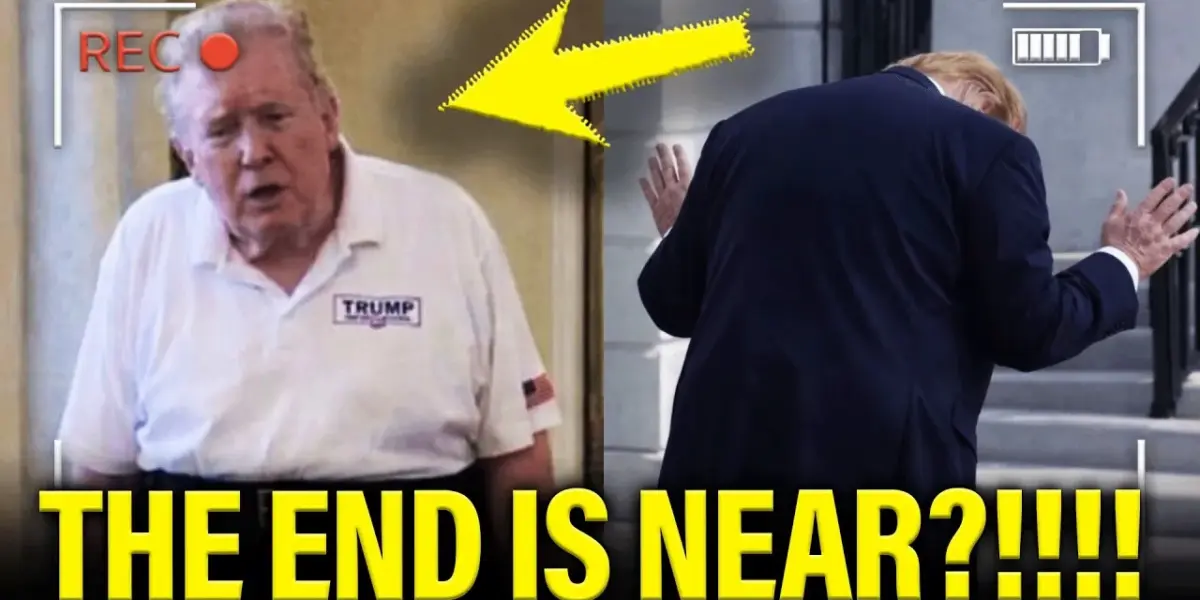
Key Allies Question Trump’s Stability, Urge 25th Amendment
Donald Trump, a figure who has long commanded the loyalty of his base, is now facing intense scrutiny and calls for his removal from some of his most prominent supporters. Recent public statements from figures like Candace Owens and Marjorie Taylor Greene suggest a growing concern about Trump’s mental fitness and his public pronouncements, particularly regarding foreign policy and his own allies. These are not fringe voices; they have been vocal supporters of Trump’s political movement.
Candace Owens has publicly stated that it “may be time to put grandpa up in a home” and that “The 25th Amendment needs to be invoked.” She went further, calling him a “genocidal lunatic” and urging Congress and the military to intervene. Marjorie Taylor Greene echoed these sentiments, also calling for the invocation of the 25th Amendment and expressing alarm over Trump’s rhetoric, stating, “We cannot kill entire civilizations. This is evil and madness.”
Trump’s Scathing Rebuttals Spark Further Division
Trump’s reaction to these criticisms was a lengthy social media post where he attacked Owens, Greene, and others, including Megan Kelly and Alex Jones. He accused them of not being true MAGA supporters and suggested they have “low IQs” and are “stupid people.” This outburst was met with further criticism from those he attacked.
Marjorie Taylor Greene responded to Trump’s post, stating, “Donald Trump has gone mad as he wages war against Iran. A broken campaign promise.” She highlighted her past support for him, alongside figures like Tucker Carlson and Alex Jones, to elect him. She asserted, “We never changed. Trump did. America first.” This exchange shows a significant rift developing among individuals who were once aligned.
History of Praise Contrasts with Current Attacks
The current conflict between Trump and his former allies is particularly striking given his recent history of praising them. Video clips show Trump speaking highly of figures like Megan Kelly and Candace Owens, praising their interviewing skills and recognizing their “star power.” This stark contrast between past admiration and present animosity underscores the volatile nature of political alliances and the intensity of the current disagreements.
Concerns Over Erratic Decision-Making and Public Statements
Beyond personal disputes, serious concerns are being raised about Trump’s decision-making and public statements, especially in matters of international importance. Reports suggest a pattern of erratic behavior, where Trump might state one position in the morning and the complete opposite by the afternoon. This inconsistency is seen as deeply problematic, especially when dealing with issues of war and peace.
An example cited involves statements about Iran and the Strait of Hormuz. A reporter asked Trump about Iran potentially charging tolls for ships passing through the strait. Trump’s initial response suggested a potential joint US-Iran venture to manage this, a statement that seemed to acknowledge and even consider such a possibility. However, just a day later, after reports surfaced of Iran indeed charging fees, Trump issued a strong statement warning Iran to stop. This rapid flip-flop has led to accusations of dishonesty and a lack of stable judgment.
Accusations of Mental Decline and Calls for Medical Evaluation
The erratic statements and behavior have fueled speculation and direct accusations about Trump’s mental health. Some critics, including Alex Jones, have openly suggested that Trump shows signs of early-onset dementia. They point to his frequent changes in statements, what they describe as “babbling,” and physical signs like swollen ankles as evidence.
The analysis extends to suggestions that Trump may be experiencing a “manic phase” or conditions like acute bipolar disorder, dementia, or Alzheimer’s. The urgency of these concerns is highlighted by the gravity of the situations Trump is involved in, including international conflicts. The call for immediate medical evaluation, potentially at a facility like Walter Reed, is presented not as mockery but as a serious concern for national stability.
The Role of Media and Public Perception
The media landscape is actively engaged in covering these developments, with different outlets and personalities offering varied perspectives. Some, like those on Fox News, are framed as attempting to manage the narrative, suggesting that voters are “stuck with Trump.” Others, meanwhile, are amplifying the calls for his removal and focusing on the perceived negative impacts of his actions.
The use of social media by Trump, including posting graphic content like a violent death video, has further intensified the debate. This action, without warning, of sharing a brutal video of a murder has been described as deeply disturbing and indicative of a concerning state of mind. It adds another layer to the accusations of erratic and harmful behavior.
Historical Context and Implications
The current situation echoes historical periods of political turmoil where leaders have faced questions about their capacity to govern. The 25th Amendment of the U.S. Constitution provides a mechanism for removing a president if they are deemed unable to discharge the powers and duties of their office. Its invocation, however, requires significant political consensus and action from both the Vice President and a majority of the Cabinet, or a two-thirds vote in both houses of Congress.
The fact that calls for invoking the 25th Amendment are coming from within Trump’s own political sphere is significant. It suggests a level of disillusionment that transcends typical partisan opposition. The implications for the Republican party and the broader political landscape are substantial, as these internal divisions could reshape future elections and party platforms.
Future Outlook and Underlying Trends
The ongoing debate about Donald Trump’s fitness for office, fueled by public statements from allies and critics alike, points to a period of continued political instability. The focus on mental acuity and consistent decision-making in leadership is a trend that will likely persist, especially in an era of rapid information flow and intense public scrutiny.
Whether these calls for removal gain significant traction remains to be seen. However, the fact that such discussions are happening openly among prominent figures who have supported Trump highlights a critical juncture. The future outlook depends on how these internal party dynamics evolve and how the public ultimately perceives the leadership capabilities of Donald Trump amidst these serious allegations.
Why This Matters
The concerns raised about Donald Trump’s mental state and decision-making processes are not merely political talking points. They have direct implications for national security, international relations, and the stability of democratic institutions. When a leading political figure exhibits erratic behavior or makes contradictory statements on critical issues like foreign policy, it can erode trust, create confusion among allies and adversaries, and potentially lead to dangerous miscalculations. The public’s ability to rely on clear, consistent, and rational leadership is fundamental to a functioning democracy. The current situation forces a difficult but necessary conversation about the standards and expectations for those who hold or seek high office.
Source: Trump LOSES IT as HIS BASE DEMANDS he BE REMOVED!!!! (YouTube)

Related Articles

Reform Party Faces Challenge in Shedding ‘Trump Party’ Image
The UK's Reform Party faces pressure to distance itself from Donald Trump to broaden its appeal for government power. Meanwhile, international peace talks regarding the Iran conflict are hampered by deep divisions, with a negotiator describing the gaps as an "abyss." The geopolitical landscape is shifting, prompting discussions about alliances and leadership styles.

House Republicans Block Iran War Powers Vote
House Republicans blocked a Democratic effort to limit U.S. military action in Iran, intensifying political debate. Meanwhile, discussions on funding for the Department of Homeland Security are ongoing, with reconciliation being explored as a legislative path forward amidst geopolitical tensions with Iran.

Greene Demands GOP Burning; Trump Followers in Cult?
Marjorie Taylor Greene recently called for the Republican Party to be 'burned to the ground' and described Donald Trump's MAGA followers as being part of a 'cult.' These strong statements highlight deep divisions within the GOP and raise questions about the nature of political loyalty and party identity.