Trump’s Housing Remark Sparks Outrage, Ignites Affordability Debate
Former President Trump's alleged remark that "nobody gives a bleep about housing" has ignited widespread criticism, highlighting the growing affordability crisis. Critics argue the comment reflects classist politics, prioritizing wealthy donors over the needs of everyday Americans struggling with rent and homeownership.

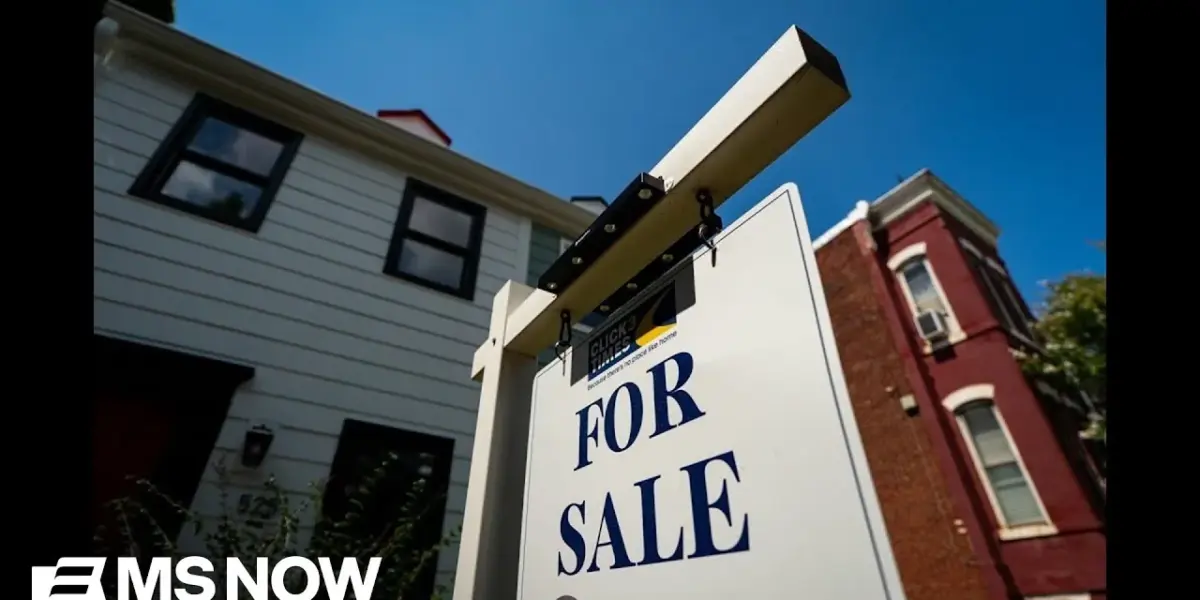
Trump’s Dismissal of Housing Ignites Fierce Backlash
In a striking display of political rhetoric, former President Donald Trump has reportedly dismissed the importance of housing affordability, allegedly telling House Speaker Mike Johnson that “nobody gives a bleep about housing.” This statement, revealed by Punchbowl News, surfaced as Johnson reportedly conveyed to GOP leadership that Trump prioritized his election-related legislation, the “Save America Act,” over a significant housing bill. The comments have ignited a firestorm of criticism, drawing sharp rebukes from former Democratic Congressman Max Rose and others who view the remarks as a stark illustration of classist politics and a fundamental misunderstanding of the economic anxieties plaguing millions of Americans.
The Housing Crisis: A Stark Reality for Americans
The alleged dismissal of housing concerns comes at a time when affordability remains a critical issue for a vast segment of the population. A recent Washington Post-ABC News Ipsos poll indicates that nearly two in three renters express pessimism about their ability to purchase a home in the foreseeable future. This sentiment underscores a growing crisis where rising rents and unattainable home prices are pushing essential needs out of reach for many.
Former Congressman Max Rose, speaking on the controversy, highlighted the perceived hypocrisy of a real estate developer allegedly devaluing housing affordability. “He just doesn’t give a bleep about whether other people can afford housing,” Rose stated, suggesting that Trump’s focus is on his own financial interests rather than the broader public good. Rose further posited that the administration’s focus on issues other than affordability could be a strategic miscalculation, potentially leading to electoral defeat.
Class Warfare or Political Pragmatism?
The debate over Trump’s remarks has also touched upon the nature of class warfare in American politics. One perspective suggests that Trump’s statement reflects a focus on his wealthy base, whose primary concern is the appreciation of their principal asset – their homes. “He’s not saying no one cares about housing, what he’s actually saying is… there are millions of people in his mind and a hundred percent of his friends that care about the price of their principal asset in their home. And he doesn’t want to do anything that he thinks would scare them,” one commentator explained.
This viewpoint argues that Trump’s reluctance to support policies that could lower housing prices, such as increased housing construction, stems from a fear of alienating his affluent supporters. The argument posits that building more housing, which economists often suggest can help stabilize or lower prices, would be perceived as detrimental to the investments of his core constituency.
“This is Mar-a-Lago classist politics, and that’s what makes this administration scary.”
However, a contrasting view emerged, suggesting a different interpretation of Trump’s priorities. This perspective argues that Trump’s alleged dismissal of housing affordability is not about indifference but about a strategic focus on other legislative goals. “He’s saying this because there’s a bill pending in the Senate. That’s a federal bill that would offer subsidies for housing and whatnot. He would rather get the Save America voting ID bill passed,” one analyst noted. This interpretation frames Trump’s actions as a calculated political maneuver, prioritizing legislation he believes will consolidate his power and influence, particularly concerning electoral processes.
The ‘Save America Act’ and Electoral Concerns
The “Save America Act,” reportedly prioritized by Trump, has drawn scrutiny for its potential implications on voting rights. Critics argue that the bill, which has been described as containing provisions for voter ID laws, could be interpreted as an attempt to “rig” elections rather than ensure their integrity. Concerns have been raised about elements within the bill that could disenfranchise voters, including potential purges of voter rolls and restrictions on mail-in voting.
This strategic prioritization of the “Save America Act” over housing legislation, according to some, indicates a broader agenda focused on controlling the electoral landscape. “If you’re a guy bent on authoritarian takeover of the country and minimizing minority voters’ participation in the political process, of course you would want that to go first. It makes perfect sense,” one commentator asserted.
Broader Implications: Affordability, Democracy, and Foreign Policy
The discussion extended beyond domestic policy, touching upon Trump’s approach to foreign policy and his perceived disregard for democratic processes. His alleged comments regarding Iran’s use of AI to fabricate war footage and his broadsides against the media, even suggesting treason charges for disseminating false information, were highlighted as examples of his combative and often unsubstantiated rhetoric.
The perceived disconnect between Trump’s rhetoric and the lived realities of many Americans was a recurring theme. While millions struggle with housing affordability, Trump’s focus, as articulated by his alleged comments, appears to be elsewhere. This has led to accusations that he views the public not as constituents to be served, but as subjects to be dictated to, a sentiment amplified by discussions of his alleged “hate” for democracy and his actions surrounding the January 6th Capitol attack.
Furthermore, the conversation touched upon the potential consequences of foreign policy decisions, particularly concerning Iran and Cuba. Concerns were raised about the impact of potential conflicts on oil prices, food security, and the broader economic stability, affecting not only American consumers but also key segments of the Republican base, such as farmers. The perceived lack of clear communication and strategy regarding these volatile situations has led to criticism of the administration’s handling of complex geopolitical challenges.
Looking Ahead: The Intersection of Housing and Elections
As the 2024 election cycle gains momentum, the issue of housing affordability is increasingly being recognized as a significant, albeit previously overlooked, concern for voters. Democratic members of Congress and state leaders like Governor Hochul are beginning to elevate housing as a central campaign issue, acknowledging the widespread anxiety among renters and potential homeowners. The stark contrast between Trump’s alleged dismissiveness and the growing public demand for action on affordability sets the stage for a critical debate. Whether Trump’s campaign can successfully navigate this issue, or if his alleged focus on electoral control and class interests will alienate a broader electorate, remains a key question heading into the election.
Source: Former Dem Congressman responds to Trump’s alleged comment, "Nobody gives a BLEEP about housing." (YouTube)

Related Articles
House Republicans Reject Senate Deal, Sparking Government Funding Clash
House Republicans have rejected a Senate bill to end the government shutdown, citing insufficient border security measures. Congressman Randy Fine called the Senate deal a "disgrace" and highlighted the ongoing fight for full government funding. President Trump's executive order to pay TSA agents offers temporary relief, but the core disagreement over border security continues to paralyze Washington.
Voter ID: Common Sense or Suppression?
A growing debate surrounds voter ID laws, with proponents calling them a common-sense measure against fraud and opponents fearing voter suppression. Many countries and U.S. states already require ID to vote.
Trump’s Name Everywhere: A ‘Stain’ on GOP Legacy?
Former President Donald Trump's efforts to brand national symbols, including a proposed signature on dollar bills, spark debate. Critics view this as an authoritarian attempt to embed his legacy, potentially staining the Republican Party's history and contrasting with democratic ideals of public ownership.