Trump’s Hormuz Gambit: A Risky Exit Strategy?
Donald Trump's recent statements suggest a potential U.S. withdrawal from operations in the Strait of Hormuz within weeks. This move raises concerns about global oil supplies and regional stability, especially as Iran continues to pose threats despite claims of its military weakness. The situation is further complicated by domestic controversies surrounding election integrity and the use of presidential powers.

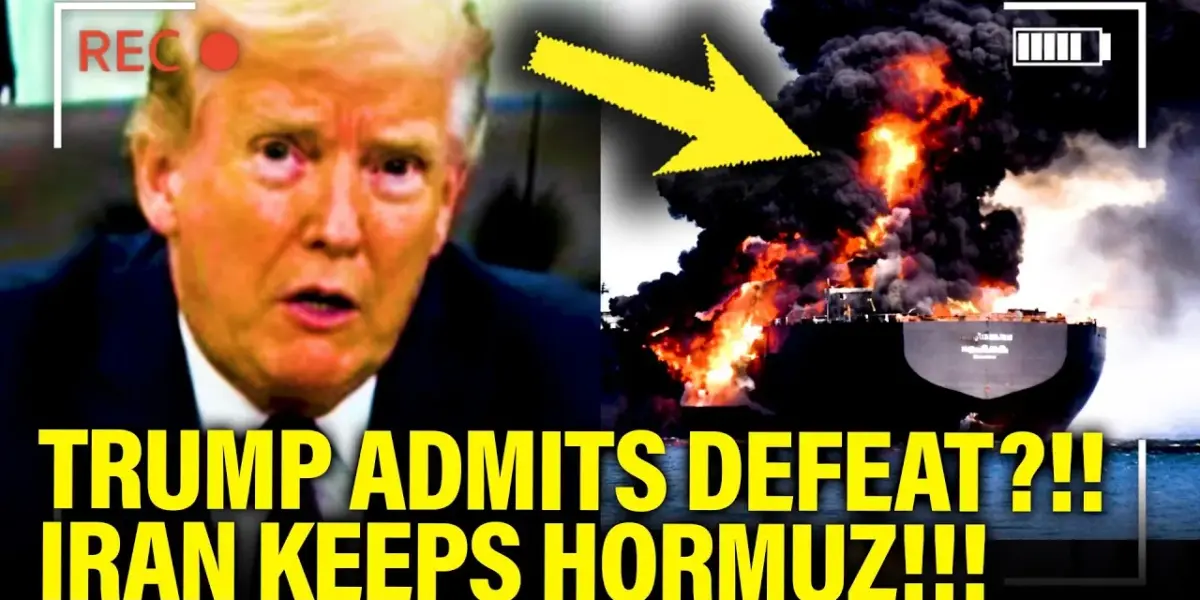
Trump Signals Potential Withdrawal from Hormuz Strait Operations
In a recent press conference, Donald Trump indicated a possible shift in U.S. involvement in the Strait of Hormuz region, suggesting a withdrawal within two to three weeks. This statement has raised questions about America’s role in a critical global waterway and its implications for regional stability and global energy markets.
Assessing Iran’s Capabilities and U.S. Strategy
Trump’s remarks contrasted with reports from media outlets, where he claimed Iran lacks significant military capabilities, stating they have no navy, missiles, or effective weapons. He suggested that U.S. air superiority is unchallenged and that Iran is losing and seeking a deal. However, the transcript points to ongoing Iranian actions, including drone and ballistic missile strikes on neighboring countries and military bases, which have impacted American interests and allies. Iran’s continued control over the Strait of Hormuz, a vital chink in the global oil supply, remains a significant concern.
“When I read the fake New York Times, you take a look at it. It’s like, oh, they’re putting up a good fight. They’re not putting up a fight. They’re not even shooting at us.”
Despite Trump’s assertions of U.S. dominance, the reality on the ground appears more complex. The transcript highlights the use of Shahi drones, FPV drones, and ballistic missiles by Iran, contradicting the narrative of their complete incapacitation. The destruction of U.S. Air Force assets in Saudi Arabia and ongoing attacks in the region suggest Iran possesses and employs significant weaponry.
Economic Impact and U.S. Priorities
Reporters pressed Trump on the potential impact of a U.S. withdrawal on global oil prices, with gas prices reportedly exceeding $4 a gallon. Trump’s response suggested a prioritization of avoiding nuclear threats over immediate economic concerns for Americans, stating that his departure would lead to a drop in prices. This perspective suggests a re-evaluation of U.S. foreign policy objectives, potentially placing a lower priority on short-term economic stability for allies and the global market in favor of other strategic goals.
Geopolitical Implications of a Hormuz Withdrawal
The Strait of Hormuz is a critical chokepoint for global oil transportation, with roughly 20% of the world’s total oil consumption passing through it daily. Any disruption to this flow can lead to significant price spikes and supply shocks. Trump’s suggestion that other countries would need to manage the Strait implies a desire to reduce U.S. commitments and costs, potentially shifting the burden of regional security to allies.
Historical Context: U.S. Naval Presence in the Persian Gulf
The United States has maintained a significant naval presence in the Persian Gulf for decades, largely to ensure the free flow of oil and to counter regional threats. This presence has been a cornerstone of its foreign policy in the Middle East. A withdrawal from actively policing the Strait of Hormuz would mark a substantial departure from this long-standing commitment.
Iran’s Stance and Negotiation Outlook
Iran’s foreign minister has stated that Iran will not accept any ceasefire without a full end to the war, reparations, and the retention of its missile and drone capabilities. Furthermore, Iran has expressed zero faith in negotiations with the U.S., citing a complete lack of trust. This hardline stance suggests that diplomatic solutions may be increasingly difficult to achieve, regardless of U.S. actions.
Controversial Statements and Domestic Concerns
Beyond foreign policy, the press conference touched on domestic issues. Trump’s comments regarding his presidential library, which is planned as a hotel and office complex, drew criticism for potentially using settlement funds for personal profit and tax avoidance. Additionally, his remarks on an executive order concerning mail-in voting, which he suggested would give him control over who can vote by mail, have been met with legal and ethical concerns regarding election integrity and federal overreach.
“It’s a new regime. They are much more accessible. They are right. You know, they said, ‘We have a present for you, Mr. President, out of respect.'”
The use of military equipment for partisan purposes, such as the Apache helicopter incident near Kid Rock’s home, also came under scrutiny. The pilots involved were initially suspended but later had their suspensions lifted after Trump’s comments, raising questions about the politicization of the military.
Why This Matters
The potential U.S. withdrawal from actively managing the Strait of Hormuz is a significant development. It could reshape regional power dynamics, impact global energy markets, and alter the complex relationship between the U.S. and Iran. The president’s contrasting views on Iran’s military strength and the stated ongoing threats create a confusing picture of U.S. strategy. Domestically, concerns about election integrity and the use of presidential powers add further layers of complexity to the current political climate.
Future Outlook
The coming weeks will be crucial in determining the actual U.S. course of action regarding the Strait of Hormuz. The geopolitical landscape in the Middle East is volatile, and any change in U.S. posture could have far-reaching consequences. The interplay between foreign policy decisions, domestic political considerations, and the reactions of regional and international actors will shape the future of this critical region.
Source: Trump PANICS and GIVES UP HORMUZ in WAR!! (YouTube)

Related Articles

Trump Weighs Oil Strategy: Allies Must Pay Their Share
President Trump is reportedly considering a strategic shift in U.S. oil and global security policy, emphasizing 'America First' by compelling allies to increase their own defense spending and take greater responsibility for regional stability. This approach questions the long-standing U.S. role in protecting vital oil shipping lanes like the Strait of Hormuz, suggesting allies must 'grow up and pay' their share in a more dangerous world.
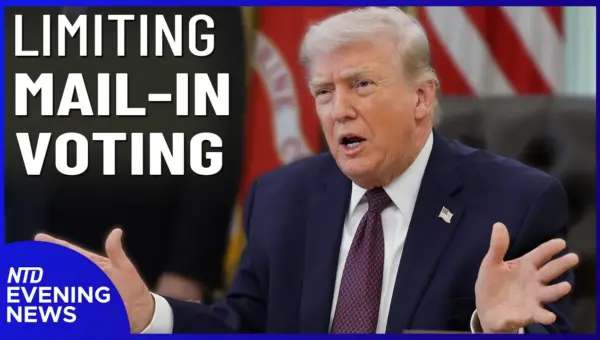
Trump Targets Mail Voting, Demands Europe Fund Its Own Energy
Former President Donald Trump is pushing for stricter mail-in voting rules, citing concerns about election integrity. He is also urging European nations to achieve energy independence and secure their own oil resources. These stances highlight ongoing debates about democratic processes and international resource management.
Trump’s War Sparks Global Oil Crisis, Gas Prices Soar
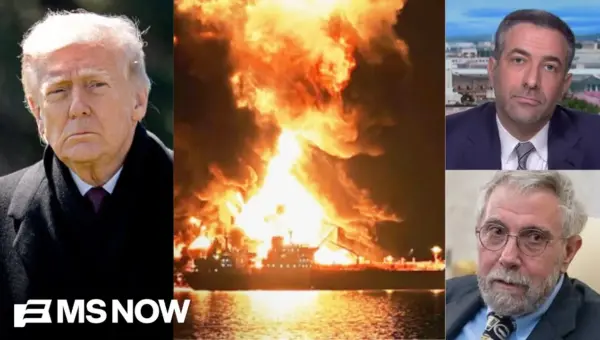
A global oil crisis, marked by soaring gas prices and economic turmoil, has emerged following a conflict initiated by former President Trump. Nobel laureate Paul Krugman warns of 'physical' oil shortages as the Strait of Hormuz faces potential closure, impacting everything from transportation to agriculture. The situation is described as the worst energy shock since the 1970s, with significant economic fallout and uncertainty ahead.