Trump’s Hormuz Bluff Exposes Need for Allies
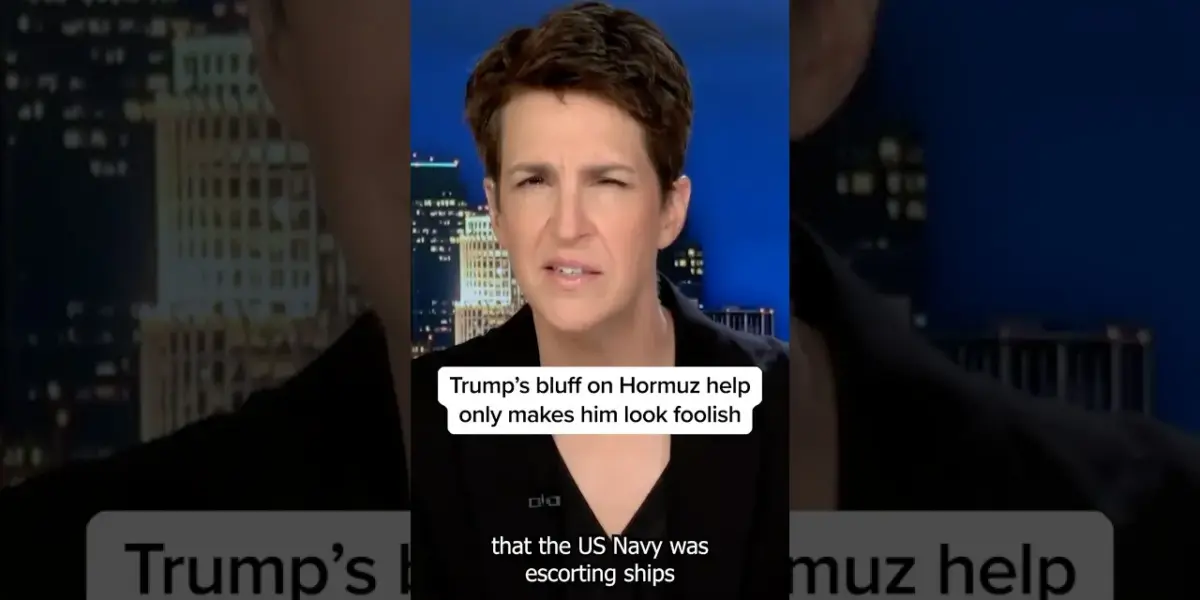
Donald Trump's criticism of U.S. allies clashes with his need for their help defending the vital Strait of Hormuz. Analyst Rachel Maddow points out this "bluff" strategy makes him appear foolish. It highlights the complex reality that global security often demands cooperation, even from those leaders publicly criticize.

Trump’s Hormuz Bluff Exposes Need for Allies
Former President Donald Trump’s recent stance on defending the Strait of Hormuz has highlighted a complex relationship with U.S. allies. Despite frequently criticizing these same nations, Trump appears to recognize their crucial role in protecting this vital global waterway. This situation, detailed by MSNBC’s Rachel Maddow, reveals a pattern of ambivalence where Trump often insults allies he simultaneously relies on for support.
The Importance of the Strait of Hormuz
The Strait of Hormuz is a narrow waterway connecting the Persian Gulf to the open ocean. It is one of the world’s most important shipping lanes. A significant portion of the world’s oil supply passes through this strait daily. Control of Hormuz would give immense power to any nation seeking to disrupt global energy markets. Therefore, ensuring its freedom of navigation is a key U.S. foreign policy objective.
Trump’s Shifting Stance
During his presidency and in subsequent public statements, Trump has often expressed skepticism about international alliances and the cost of U.S. military commitments abroad. He has frequently used strong, often critical language when referring to allies like Germany and South Korea, questioning their contributions to collective security. However, when it comes to issues like the defense of Hormuz, the need for these allies becomes apparent.
Maddow points out that Trump’s approach involves a kind of bluff. He seems to want to appear tough and self-reliant, but the reality of international security demands cooperation. For instance, when discussing the need to deter Iran’s aggressive actions in the Strait, the U.S. often seeks to build coalitions. These coalitions share the burden of naval patrols and intelligence gathering.
Allies’ Contributions and U.S. Reliance
The transcript suggests that Trump’s administration, despite his rhetoric, understood the necessity of these partnerships. The U.S. military cannot patrol every critical global waterway alone. Allies provide essential naval assets, intelligence, and logistical support. For example, European allies have often participated in multinational naval task forces aimed at securing shipping lanes. These collaborations are vital for maintaining stability and deterring potential aggressors.
Trump’s public persona often emphasizes an “America First” approach. This can sometimes alienate allies, making cooperation more difficult. However, the need to address threats in regions like the Persian Gulf forces a pragmatic approach. The U.S. needs allies to share the responsibility and the costs of maintaining global security. This reliance on allies, even those Trump has criticized, creates a dynamic where his tough talk appears at odds with strategic necessity.
Criticism of Trump’s Approach
Rachel Maddow’s analysis suggests that this contradictory approach makes Trump appear foolish. It signals a lack of consistent foreign policy thinking. Critics argue that alienating allies through insults while simultaneously needing their help undermines U.S. credibility and effectiveness on the world stage. A consistent policy of building and strengthening alliances would likely be more beneficial in the long run.
The situation at Hormuz is a clear example. Protecting international shipping requires a united front. When a leader publicly disparages the very partners needed for such an effort, it weakens the collective stance. This can embolden adversaries who might perceive a lack of resolve or unity among the defending nations. It’s like a team captain insulting his best players before a big game; it simply doesn’t make strategic sense.
Broader Implications for U.S. Foreign Policy
The tension between Trump’s rhetoric and the practical needs of foreign policy has broader implications. It raises questions about the future of U.S. leadership in global security. A strong America typically works with its allies to address shared challenges. When that relationship is strained, it can create vacuums that other powers may seek to fill.
The defense of critical global chokepoints like Hormuz is not just a U.S. concern. It affects the global economy and the stability of numerous nations. Effective management of these issues requires diplomacy, trust, and a willingness to collaborate. Trump’s approach, characterized by insults and then appeals for help, suggests a transactional rather than a collaborative view of international relations. This can make long-term strategic planning more challenging.
Looking Ahead
The ongoing situation in the Strait of Hormuz and the broader dynamics of U.S. alliances will continue to be critical areas to watch. Future U.S. administrations will likely grapple with the same challenges: balancing national interests with the necessity of international cooperation. The effectiveness of U.S. foreign policy will depend on its ability to maintain strong, reliable partnerships. How future leaders navigate these complex relationships, particularly in volatile regions, will shape global security for years to come.
Source: Trump's bluff on Hormuz help only makes him look foolish (YouTube)

Related Articles
Polls Spell Doom: Republicans Face Voter Backlash
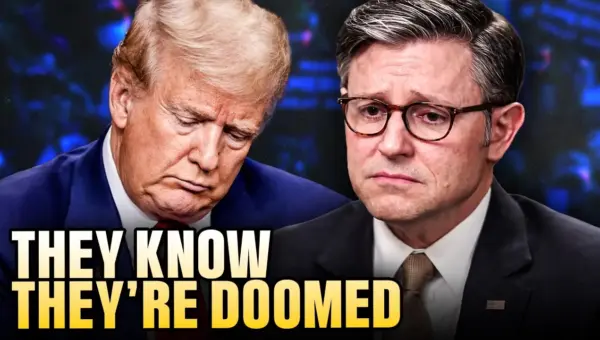
New polling data reveals a sharp decline in public confidence regarding the economic impact of Republican policies, particularly under Donald Trump. A significant majority now feel financially worse off, a trend that is especially pronounced among independent voters. This economic discontent poses a major challenge for the Republican party heading into future elections.

Trump Delays Iran Strike Deadline Amidst Shifting Diplomacy
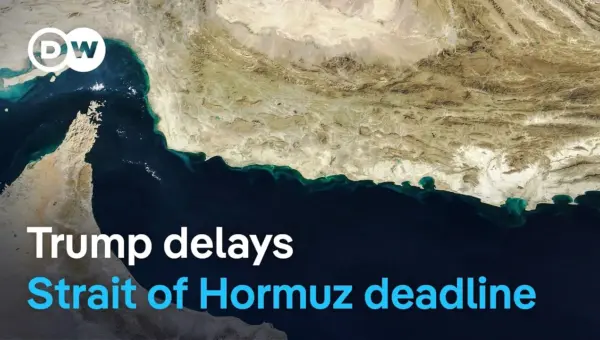
President Donald Trump has extended his deadline for potential strikes on Iranian energy plants to April 6th, amid reports of U.S.-Iran diplomatic talks mediated by Pakistan. This move comes as Israel continues its strikes on Iran and the U.S. deploys additional military assets to the region. Analysts point to mixed signals, economic pressures, and strategic miscalculations as key factors shaping the evolving situation.
Iran War Claims Ring Hollow as US Troops Injured in New Attack
Days after Donald Trump claimed "we've won" the war with Iran, a new attack injured approximately a dozen U.S. troops and damaged aircraft. This incident contradicts Trump's assertions of victory and raises serious questions about the strategy and reality of the ongoing conflict.