Trump’s Hormuz Blockade Plan Draws UK Rebuke, Sparks War Fears
The U.S. faces criticism for a proposed blockade of ships from Iranian ports, with the UK refusing to participate and citing concerns about escalating conflict. The plan raises questions about effectiveness and risks drawing in major powers, while a separate debate brews in the UK over adopting EU rules using "Henry VIII powers."

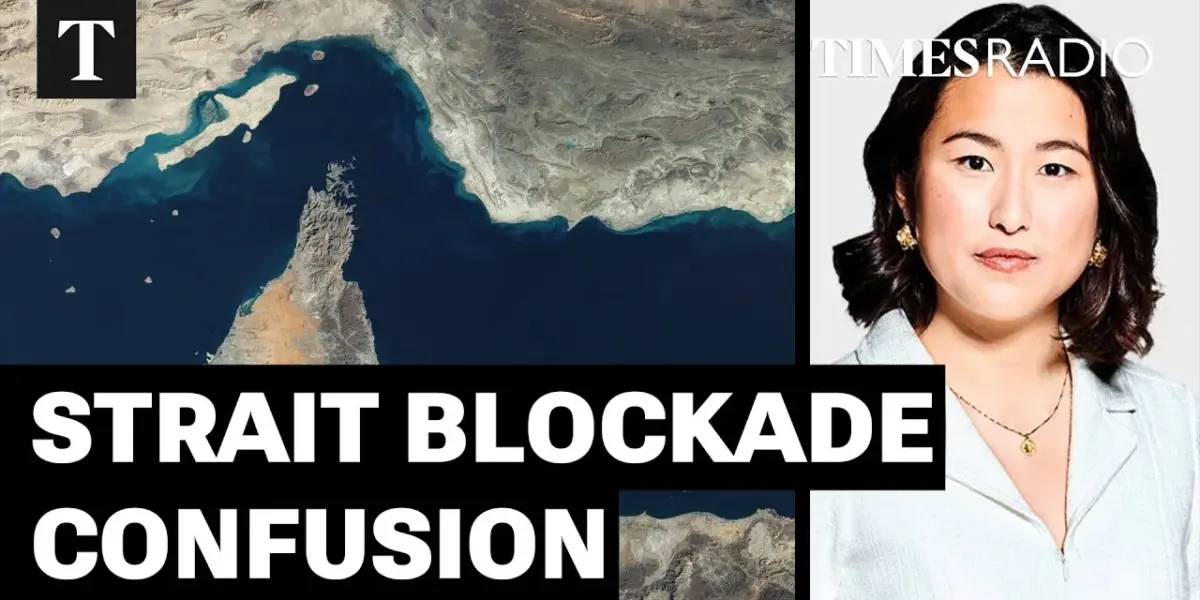
US Navy Faces Risk in Proposed Hormuz Strait Blockade
A controversial plan by former U.S. President Donald Trump to blockade ships departing from Iranian ports has drawn sharp criticism and raised concerns about escalating international tensions. The proposed action, set to begin this afternoon, aims to prevent vessels from leaving Iranian ports. However, ships from other nations in the region will reportedly be allowed to pass through.
Trump claims broad international support for this move. Yet, the United Kingdom has explicitly stated it will not participate in the blockade. “We’re not supporting the blockade,” said a UK official, emphasizing their focus on keeping the Strait of Hormuz fully open. The UK’s stance highlights a significant division among allies regarding the strategy.
Strait of Hormuz: A Critical Global Chokepoint
The Strait of Hormuz is a vital and narrow waterway, often described as a global “chokepoint.” Similar to other critical passages like the Strait of Malacca, it allows nearby countries to wield disproportionate influence over global trade. Disruptions in these areas can have far-reaching economic consequences.
Historically, military strategists and war games have often predicted that any conflict involving Iran could lead to Iran blocking the strait. This is because such an action is relatively easy for Iran to execute, yet carries severe negative global impacts. The sheer volume of oil and goods passing through makes it a critical artery for the world economy.
UK Rejects Blockade, Cites Economic Concerns
The UK government has made it clear it will not join the proposed U.S. blockade. “Our focus from our point of view is on getting the straits fully open,” stated a UK representative. The primary reason for this focus is to help lower global energy prices as quickly as possible.
This position suggests a disagreement on the best approach to de-escalate tensions and manage maritime security in the region. While the U.S. proposes a blockade, the UK emphasizes ensuring free passage for all ships, particularly those carrying energy resources.
Questions About the Blockade’s Effectiveness and Risks
Questions linger about how the proposed U.S. blockade would function in reality. “Nobody knows how this blockade is meant to work from the American side,” noted Cindy Yu, an analyst. She recalled past efforts to *unblock* the strait, contrasting them with the current blockade proposal.
A major concern is the potential for the U.S. Navy to confront vessels from other nations, such as China or India, if they transit the Strait of Hormuz. Such an action could be seen as a precursor to wider conflict, potentially drawing in major global powers. “Will the American Navy attack it? Because that sounds like the precursor to World War II,” Yu questioned.
Furthermore, implementing such a blockade would place the U.S. Navy within striking distance of Iran’s military capabilities, increasing the risk of direct confrontation. The objectives behind Trump’s strategy remain unclear, leading to speculation that it might be a last-minute tactic to force negotiations before a deadline.
Broader Implications and Limits of Power
The situation highlights the complex geopolitical dynamics in the region and the challenges faced by global powers. The limits of both American and British power in resolving such crises are becoming increasingly apparent.
While the UK discusses forming a coalition, potentially including France, to counter Iran’s actions, its own capacity to influence events is also being examined. The economic fallout from disruptions in the Strait of Hormuz affects all nations, including the UK, making its non-involvement in the blockade a significant point of discussion.
Debate Over UK’s EU Relationship and “Henry VIII Powers”
Separately, a debate is emerging in the UK regarding its relationship with the European Union. Plans are being discussed that could allow the government to adopt EU single market rules without a full parliamentary vote, using what are known as “Henry VIII powers.”
These powers, named after King Henry VIII’s approach to Parliament, allow ministers to implement certain laws through secondary legislation. This process bypasses the usual detailed scrutiny and amendment possibilities available during primary legislation debates. Critics argue this method is less democratic, while supporters suggest it streamlines necessary adjustments and saves valuable parliamentary time.
The proposal stems from ongoing negotiations between the UK and the EU on areas like food safety, energy, and emissions trading. If a deal is reached, it may require the UK to dynamically align with the latest EU rules. Using Henry VIII powers would allow ministers to implement these changes more swiftly.
Economic Impact and Brexit Debate
The discussion around adopting EU rules touches upon the ongoing economic impact of Brexit. Some argue that closer alignment could help mitigate economic losses, pointing to a significant drop in UK agricultural exports to the EU since 2018.
Others maintain that the focus should remain on the opportunities created by Brexit, emphasizing sovereignty and governmental efficiency. However, the economic metrics for success remain a point of contention. The potential move to align with EU regulations is expected to face strong opposition from traditional Brexit supporters.
Looking Ahead
The coming days will be crucial in determining the practical implementation and international reaction to any U.S. actions in the Strait of Hormuz. Meanwhile, the debate within the UK over its future relationship with the EU and the use of parliamentary powers is set to intensify, with significant economic and political implications.
Source: Trump’s Hormuz Blockade Would Put The US Navy In IRGC Striking Distance | Cindy Yu (YouTube)

Related Articles

Orbán Ousted: Hungary Elects New Leader After 16 Years
Hungary's Viktor Orbán has been defeated after 16 years, losing a landslide election to center-right rival Péter Magyar. The outcome signals a potential shift in Hungary's relationship with the EU and its stance on the Ukraine war. The result has been met with relief in Brussels and a surge in Hungary's currency.
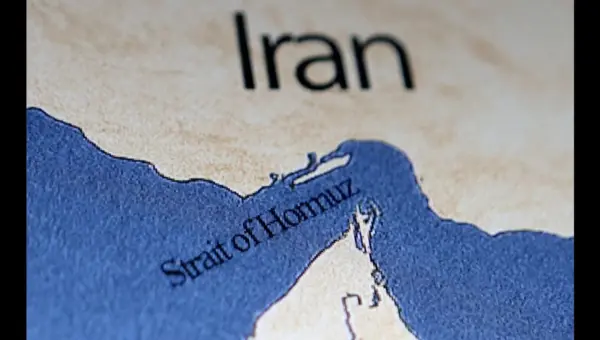
US Navy Blockade: Iran’s Lifeline Threatened, But Risks Loom
The U.S. Navy's blockade of Iranian ports aims to cut off the nation's economic lifeline. While designed for pressure, the operation carries significant risks, including potential Iranian retaliation and strain on U.S. naval resources. Success hinges on a comprehensive strategy beyond military might.
Iran’s Regime Thrives on Chaos, Not Peace
Iran's government thrives on chaos, using conflict for survival. Experts describe the regime as a 'cacistocracy,' run by the incompetent. Despite internal dissent and international pressure, the regime's survival is bolstered by external support from minority Shia groups and a strategy of ruthless suppression.