Trump’s Hormuz Blockade Criticized Amid Falling Popularity
An expert criticizes the U.S. blockade of Iranian ports, calling it a desperate move unlikely to succeed and warning of economic inflation and increased international tension. The strategy faces skepticism from allies like the UK and France, who favor diplomatic solutions. President Trump's falling popularity and upcoming midterms are seen as key domestic factors influencing the policy.

US Blockade of Iran Faces Scrutiny
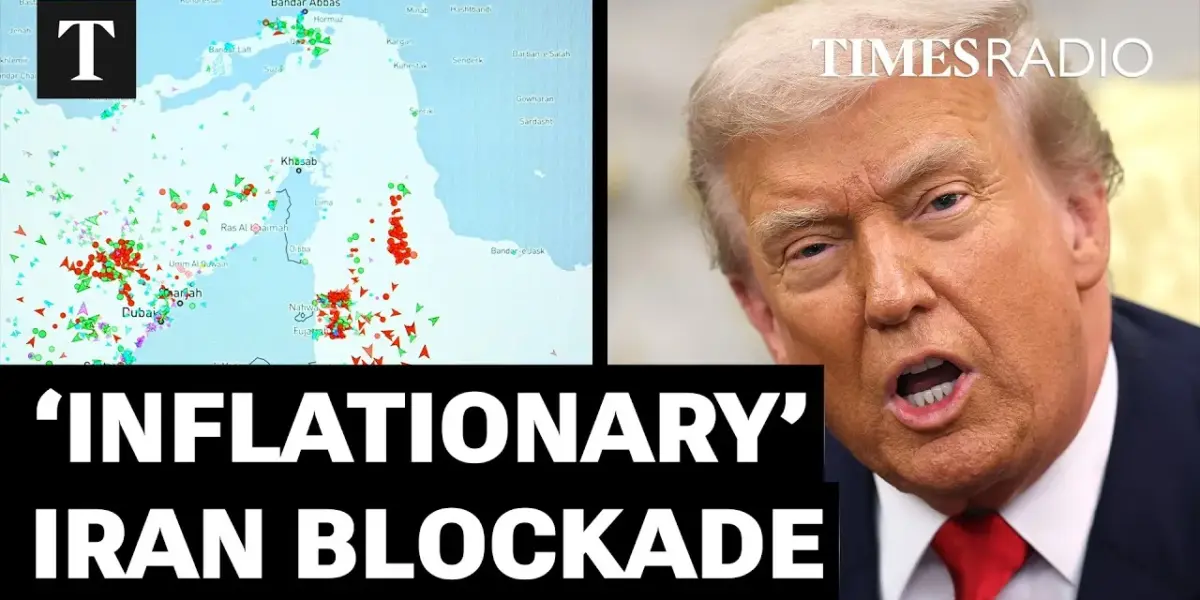
President Trump’s administration has implemented a blockade targeting Iranian ports, a move that experts argue is unlikely to achieve its intended goals and could worsen international tensions. The action, which began officially at 3:00, aims to increase pressure on Iran to meet U.S. demands. However, critics suggest the strategy is flawed and could have negative economic and political consequences.
Alan Eyre, a former U.S. diplomat and expert on Iran, described the blockade as a sign of “increasing desperation from the U.S. administration.” He clarified that the action is not a blockade of the entire Strait of Hormuz, but rather of ships traveling to and from Iranian ports. “If the idea is to increase pain on Iran so it capitulates to U.S. demands, that’s not going to happen,” Eyre stated during a recent interview.
Economic and Diplomatic Concerns Raised
The economic impact of the blockade is a significant concern. Eyre explained that blocking Iranian ports will remove oil barrels from the international market, leading to inflation. He also noted that the blockade is too slow to have a practical effect on Iran’s behavior. Furthermore, it is expected to increase uncertainty for ships transiting the Strait of Hormuz, a vital waterway for global oil shipments.
The diplomatic fallout is also substantial. Eyre warned that the blockade is escalatory and could lead to further problems if the U.S. attempts to seize ships belonging to other nations, such as China or Pakistan. This could create a chain reaction of international disputes.
Allies Express Reservations
Key allies have distanced themselves from the U.S. action. Sir Keir Starmer of the UK stated, “We’re not supporting the blockade.” He emphasized that the UK’s focus is on ensuring the Strait of Hormuz remains fully open to bring down energy prices quickly. French President Emmanuel Macron indicated that France and the UK would work together to form a coalition aimed at restoring freedom of navigation in the strait.
Past Diplomacy and Current Demands
Eyre, who was part of the U.S. negotiating team for the 2015 Iran nuclear agreement (JCPOA), reflected on past diplomatic efforts. He suggested that the current U.S. demands on Iran, such as zero enrichment on Iranian soil and the dismantling of nuclear facilities, are too stringent. “You can still get what you want, but you can’t insist on zero enrichment on Iranian soil,” he advised.
He believes a deal similar to the JCPOA, which prevents Iran from developing nuclear weapons, is still achievable. However, the U.S. appears locked into a “maximalist position.” Eyre also pointed out that the current situation is partly a result of the U.S. unilaterally withdrawing from the JCPOA in 2015, despite Iran’s compliance at the time.
President Trump’s Rhetoric and Domestic Politics
The language used by President Trump has also drawn criticism. Eyre described it as “inherent hyperbole” at best and potentially “war crimes” at worst, particularly threats to destroy civilizations. He argued that Trump’s approach of using “hyperbole and profanity and social media at all hours of the day” is not a viable strategy for resolving complex international issues.
Crucially, Eyre highlighted the impact of these actions on President Trump’s domestic standing. “President Trump’s popularity is cratering across every part of the demographic,” he noted, especially with midterm elections approaching. This domestic political reality is a key driver for the administration’s actions, including seeking a cease-fire, as the effects of prolonged conflict are felt within the U.S.
Lack of Internal Dissent and Future Prospects
Eyre identified a lack of internal checks and balances within the Trump administration. He stated that Republicans in Congress and Trump’s cabinet are largely “yesmen” who offer no pushback. This environment prevents Trump from hearing necessary critical feedback. Many of his supporters, who initially backed him on promises to avoid foreign wars, are now disillusioned.
Regarding opposition within Iran, Eyre acknowledged the existence of many brave individuals but noted the absence of an organized and effective opposition movement. He suggested that sustained diplomacy, potentially involving international partners like China and Gulf countries, is the only viable path forward. China, in particular, holds significant influence due to its extensive oil imports from Iran and strategic relationship.
Looking Ahead
The coming months will reveal whether the U.S. blockade yields any diplomatic concessions or instead further isolates the United States and destabilizes the region. The pressure on President Trump from domestic politics will likely intensify as the midterms approach, potentially influencing his decisions regarding Iran and the Strait of Hormuz. The role of international diplomacy, especially from countries like China, will be critical in navigating this complex geopolitical situation.
Source: Trump’s ‘Desperate’ Strait of Hormuz Blockade Will Fail As His Popularity ‘Craters’ | Alan Eyre (YouTube)

Related Articles
Strait of Hormuz Tensions Threaten Global Economy, Raise Oil Prices
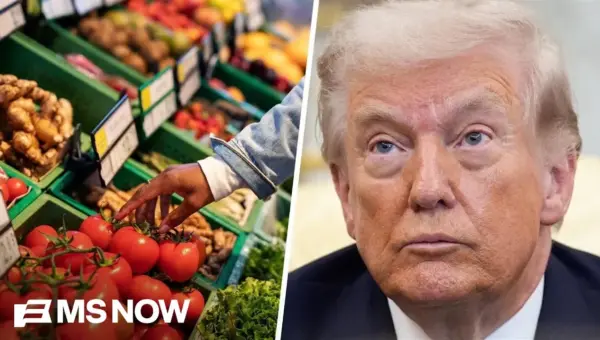
Escalating tensions in the Strait of Hormuz have led to reduced oil shipments and a significant increase in oil prices. Experts warn that the ripple effects will soon hit consumers through higher grocery costs, with price hikes expected around April 29th. The situation remains volatile, with both military and diplomatic developments being closely watched.
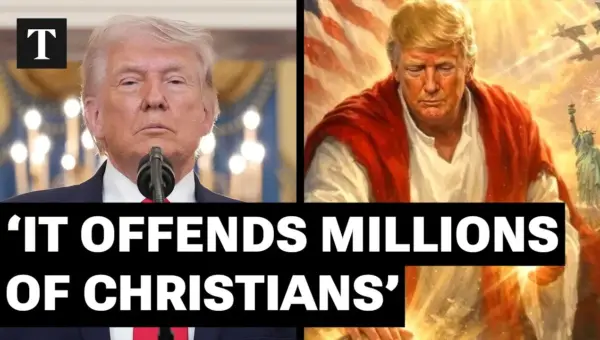
Trump’s Spiritual Advisor on Controversial ‘Jesus Photo’
Pastor Mark Burns, a former spiritual advisor to President Trump, confirmed he urged Trump to remove a controversial social media post depicting him as a Christ-like figure. Burns stated the image offended millions of Christians and that the president is not a spiritual authority. Trump, however, claimed the image was meant to show him as a doctor.
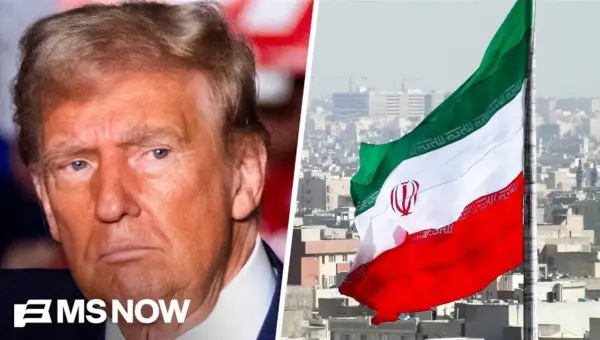
Trump Signals Indifference to High Gas Prices, Critics Warn
President Trump has declared indifference to the outcome of Iran peace talks and potential impacts on gas prices, drawing sharp criticism. Analysts view his stance as a strategic "game of chicken," while critics like Eddie Glaude call it an "eat cake" moment for ordinary Americans facing economic hardship. Concerns are rising about potential escalation and a lack of accountability.