Trump’s Health Woes Overshadow Failed Ceasefire Talks
Concerns are mounting over Donald Trump's physical and cognitive health following the failure of critical ceasefire negotiations. Reports and footage suggest a decline, impacting his ability to engage in vital diplomatic efforts and leading to questionable public statements.

Trump’s Health Woes Overshadow Failed Ceasefire Talks
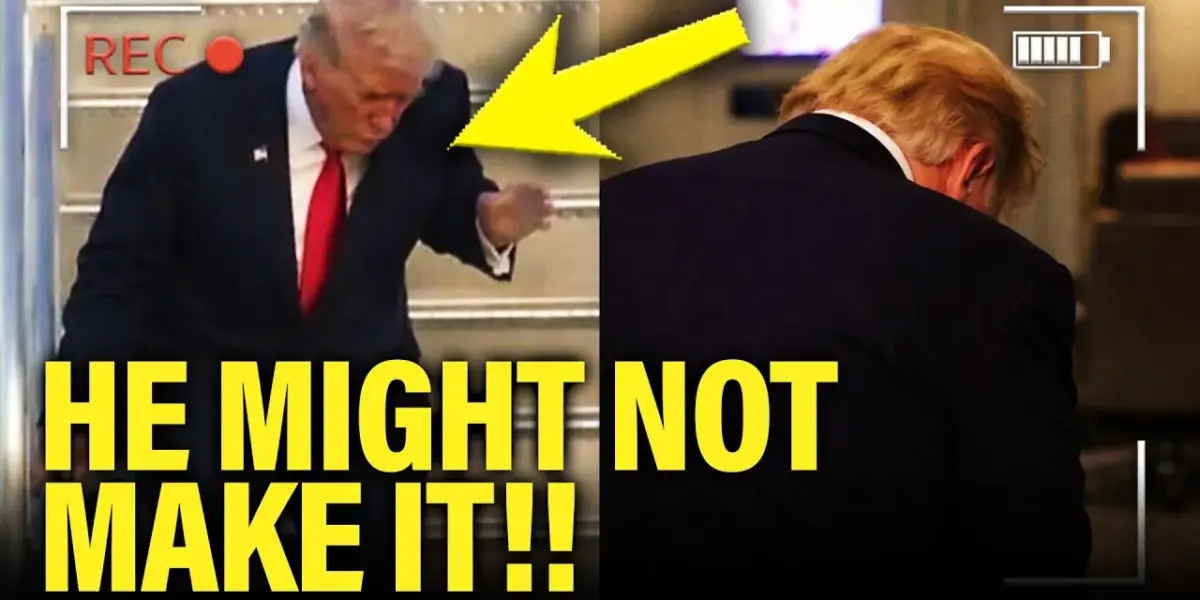
Recent events suggest a troubling decline in Donald Trump’s physical and cognitive health, most notably during the recent failure of ceasefire negotiations. Instead of actively participating in crucial talks in Islamabad, Pakistan, Trump reportedly attended a UFC fight in Miami. This decision raised eyebrows, especially as the Secretary of State, Marco Rubio, was also present at the event rather than at the significant diplomatic meeting.
Eyewitness accounts and video footage from the UFC event depicted Trump appearing unsteady. Reports describe Dana White, the UFC president, needing to steady Trump as he walked, and the crowd’s reception seemed notably subdued. This follows previous observations of Trump struggling with walking in straight lines, a pattern noted during his August meeting with Putin and a subsequent meeting with Japan’s Prime Minister Takahishi. The visual evidence of him needing support on the stairs of Air Force One while heading to Miami further fuels concerns about his physical well-being.
Beyond physical challenges, concerns about Trump’s cognitive state are also highlighted. His public statements, particularly regarding naval operations in the Strait of Hormuz, have been described as factually inaccurate and disconnected from reality. He claimed U.S. destroyers were clearing mines, a narrative later contradicted by reports of Iran’s navy reportedly ordering the U.S. destroyers to turn back. This disconnect between his pronouncements and the actual events on the ground suggests a potential detachment from factual information.
Misinformation and Diplomatic Missteps
The incident involving the U.S. naval destroyers in the Strait of Hormuz exemplifies a broader pattern of communication issues. Trump’s administration, through U.S. Central Command (CENTCOM), posted information about the destroyers’ mission, which was reportedly not happening as described. This created a confusing and embarrassing situation, especially given that Iran’s navy was allegedly involved in asserting control in the waterway.
Furthermore, the composition of the U.S. delegation sent to Islamabad has been questioned. Instead of experienced diplomats or military strategists, the team reportedly included JD Vance, Steve Witkoff (a real estate figure), and Jared Kushner. The absence of individuals with expertise in nuclear materials, particularly given the sensitive nature of uranium enrichment discussions, has been pointed out as a significant oversight.
Trump’s public statements about Iran’s leadership being eliminated, while their representatives were actively engaged in negotiations in Pakistan, further illustrate a disconnect. This contradiction, even noted by Fox News, highlights the challenges in maintaining a consistent and credible foreign policy narrative.
Historical Context and Broader Implications
The current situation can be viewed against a backdrop of past diplomatic approaches. Historically, international negotiations, especially those involving complex geopolitical issues like those in the Persian Gulf, have typically involved broader coalitions of allied nations. The decision to engage in bilateral talks between the U.S., Iran, and Pakistan, without the involvement of key allies like France, the UK, or the European Union, represents a significant departure from traditional diplomatic practices.
The alleged agreement to Iran’s 10-point negotiating framework, followed by public statements suggesting a lack of awareness or a misunderstanding of that framework, has also damaged America’s credibility. This perceived inconsistency and lack of clear communication can have long-lasting repercussions on international trust and diplomatic relations.
Why This Matters
The physical and cognitive well-being of a nation’s leader is paramount, especially when they are involved in critical foreign policy decisions. When a leader appears to be physically struggling or making statements that are demonstrably false, it can undermine confidence both domestically and internationally. This can lead to a loss of respect for the office and create opportunities for adversaries to exploit perceived weaknesses.
The handling of sensitive international negotiations, particularly those with potentially global implications, requires clear communication, strategic thinking, and experienced personnel. When these elements are lacking, the risks of miscalculation and diplomatic failure increase significantly. The events surrounding the ceasefire talks highlight the potential consequences of prioritizing personal appearances or political optics over substantive diplomatic engagement.
Trends and Future Outlook
The observed pattern of public appearances, statements, and the handling of diplomatic crises suggest a trend towards a more personalized and less strategically grounded approach to foreign policy. The focus on symbolic gestures and public relations, rather than on the detailed work of diplomacy, can have serious consequences.
Looking ahead, the ability of the United States to effectively engage on the global stage will depend on its leaders’ capacity to project strength, clarity, and competence. A decline in perceived physical or cognitive health, coupled with a pattern of diplomatic missteps, can erode this capacity. The international community watches closely, and a lack of trust can lead to increased instability and unpredictable global dynamics.
The emphasis on social media posts and less formal communication styles, while potentially engaging for some, can also lead to a dilution of serious policy discussions. The contrast between attending a UFC fight and engaging in critical peace talks underscores a potential disconnect between the demands of leadership and the leader’s priorities. As the world navigates complex challenges, the need for clear-headed, physically capable, and strategically astute leadership remains more critical than ever.
Source: Trump’s HEALTH COLLAPSES as NEGOTIATIONS FAIL!!! (YouTube)

Related Articles

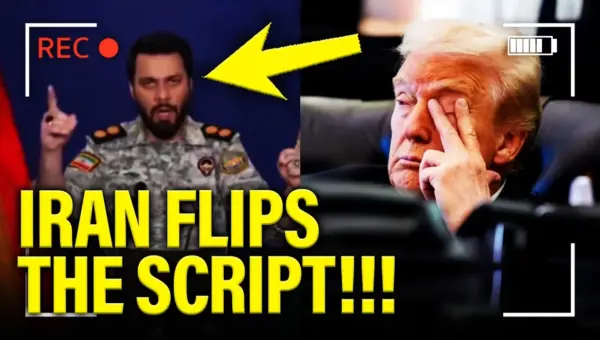
Iran’s AI Trolls Outsmart Trump’s Online War
Iran has turned to AI-generated videos and a relentless online trolling campaign to counter Donald Trump following failed negotiations. This strategy highlights a new form of asymmetrical warfare in the digital age, raising questions about the future of international relations and information control.
Trump Escalates Iran Conflict, Threatens Blockade
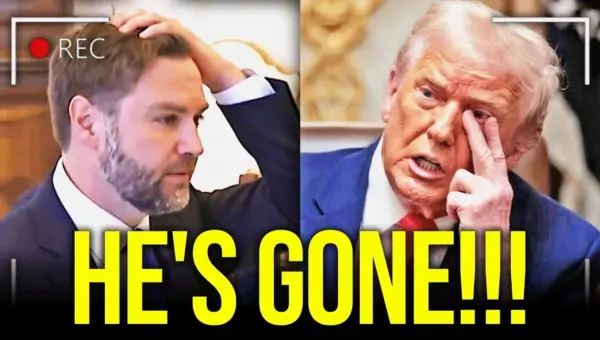
Former President Donald Trump has escalated tensions with Iran by threatening to blockade the Strait of Hormuz following failed negotiations led by Senator JD Vance. This move is marked by significant contradictions and raises concerns about global economic stability and the risk of wider conflict.

Ukraine Pushes for Easter Ceasefire, Offers Reciprocity
Ukraine has proposed an Easter ceasefire, contingent on Russia's reciprocal de-escalation. Kyiv emphasizes its commitment to prisoner exchanges and diplomatic efforts for security guarantees. The nation also prioritizes domestic energy security.