Trump’s Health Scares Spark White House Frenzy
A mysterious motorcade to Walter Reed Hospital sparked intense speculation about Donald Trump's health. Despite White House claims of constant work, a lack of transparency fueled rumors and skepticism, raising questions about his well-being and the need for public accountability.

Trump’s Health Scares Spark White House Frenzy
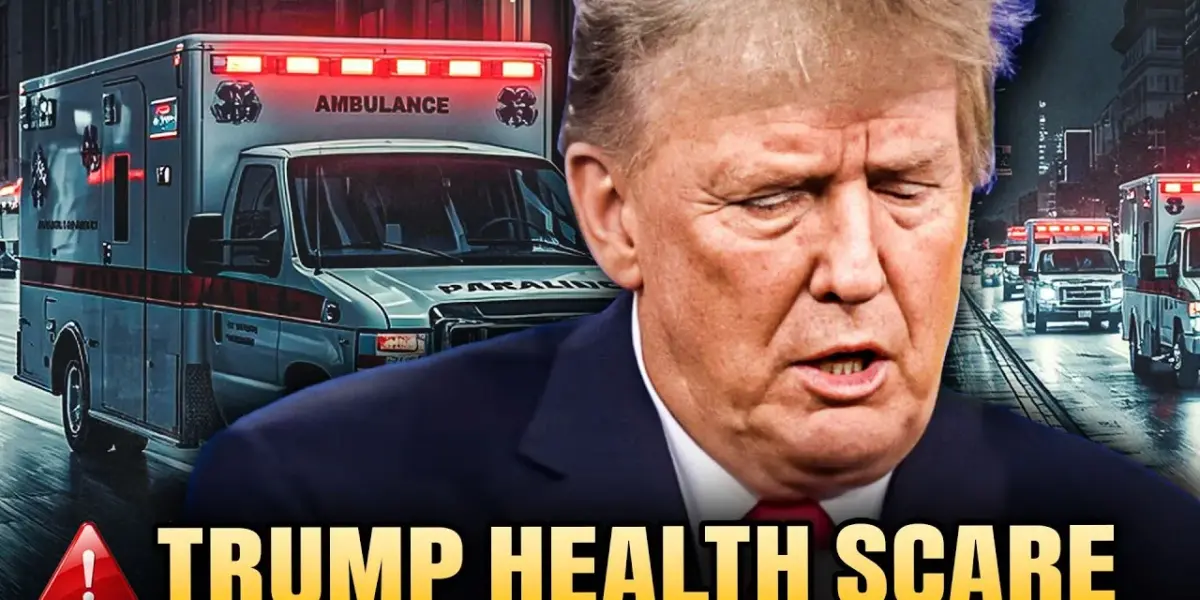
On a recent Saturday, a long motorcade was spotted heading to Walter Reed Memorial Hospital in Washington D.C. Roads were blocked off, and many people were buzzing with excitement and hope. Social media filled with videos and speculation: was something serious happening with Donald Trump’s health? Many wondered if this was the day for an “Easter miracle,” a hopeful phrase for a significant change. While the hoped-for event didn’t happen, the sheer speculation caused a stir within the White House and among Trump’s supporters.
Official Statements and Public Skepticism
White House spokesperson Steven Chung quickly issued a statement. He claimed President Trump had worked harder for Americans than any other president. Chung insisted Trump was working “non-stop” at the White House and Oval Office over the Easter weekend. This statement, however, met with widespread skepticism. Many questioned what exactly Trump was working on, as specifics were never provided. Critics pointed out that despite claims of constant work, tangible accomplishments were hard to find. It seemed like a lot of effort with little to show for it, which struck many as peculiar.
“The report found serious problems and suggests new rules that would affect all holders.”
The White House rapid response team also weighed in on Facebook. They criticized what they called “deranged liberals” for creating conspiracy theories. They argued that such theories arose when Trump didn’t speak to the press for 12 hours. They contrasted this with President Biden, who they claimed went 12 days without speaking to the press, suggesting a double standard. However, the situation with Trump was different. His schedule was abruptly cleared, and all events were canceled. This was followed by a large motorcade to Walter Reed, which naturally raised questions.
Demands for Answers and Lingering Doubts
If a similar event had happened during the Biden administration, or indeed any other presidency, there would have been significant public outcry. People would have demanded answers and questioned the leader’s well-being. The lack of transparency surrounding Trump’s Saturday activities left many wondering what truly occurred. Why was the White House cleared out? Why were his daily events canceled? Who was in that motorcade? And most importantly, why did Trump appear even more mentally unstable after these events? These questions remain unanswered.
Speculation About Health and Cognitive Issues
The speculation about Trump’s health intensified. Some openly questioned if he had suffered a stroke. This is a valid concern that deserves a clear answer. The subsequent Sunday drive-around, where Trump was seen waving from a car, seemed like an attempt to quell these fears. Some suggested it was a way to keep him calm, perhaps because his blood pressure was dangerously high, and another stroke was a risk. This theory gained traction given past incidents.
Past Incidents Fuel Current Concerns
Months prior, Trump’s face appeared to be drooping at the 9/11 memorial. This physical symptom is not something that typically happens without a reason. It looked like a possible sign of a stroke then, and the recent events at Walter Reed only fueled concerns that he might have experienced another episode. The White House has offered no concrete explanations. Their only consistent message is that Donald Trump is always working tirelessly on unspecified tasks. This lack of clarity leaves the public guessing and fuels further speculation about his health and fitness.
Why This Matters
The health and cognitive state of a president, or a former president who remains a significant political figure, are matters of public interest. When unusual events occur, like a sudden cancellation of events and a secret hospital visit, transparency is crucial. The lack of clear communication from the White House breeds suspicion and allows rumors to spread. This situation highlights the importance of accountability in political communication. It also raises questions about how public figures’ health is managed and communicated, especially when they continue to hold significant influence.
Historical Context and Future Outlook
Throughout history, the health of presidents has often been a closely guarded secret. However, in the modern era, with constant media scrutiny and a public hungry for information, such secrecy is increasingly difficult to maintain. The events of that Saturday underscore a broader trend: the public’s desire for more openness regarding the well-being of their leaders. As political figures age and face health challenges, the way these situations are handled will continue to be a major point of public discussion and concern. The future likely holds continued pressure for greater transparency, especially for those who remain active in public life.
Source: White House Melts Down Over Trump Hospitalization Rumors (YouTube)

Related Articles

Trump’s Iran War Escalation: A Descent into Chaos?
Former President Trump's April 6th press conference revealed alarming threats of war crimes in Iran and bizarre claims about civilian support for bombing. Iran has rejected a ceasefire, offering a counter-proposal, while on-the-ground strikes continue.
Trump Escalates Iran Standoff With Infrastructure Threats
President Trump has issued a stern ultimatum to Iran, threatening to destroy its infrastructure if a deal isn't reached by Tuesday. This follows a successful U.S. military rescue of two airmen. The situation highlights a dual strategy of demonstrating military power while pursuing diplomatic resolution.

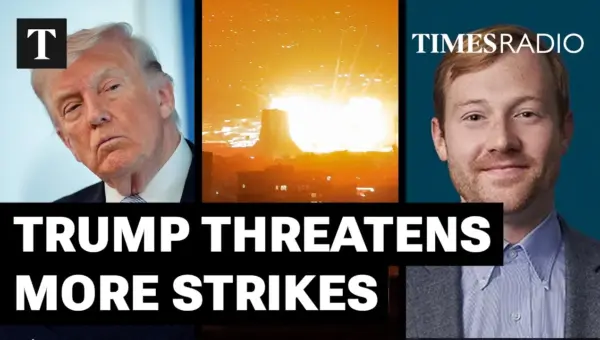
Trump Threatens ‘Dramatic’ Iran Escalation in 48 Hours
President Donald Trump has threatened a dramatic escalation of conflict with Iran within 48 hours if a deal is not reached, targeting civilian infrastructure. Negotiations appear stalled, with Iran seeking a full end to hostilities while the U.S. pushes for a temporary ceasefire.