Trump’s Health Questioned: Experts Raise Alarm
Concerns about Donald Trump's cognitive state are growing, with former officials and even some supporters raising alarms. Discussions now include the potential use of the 25th Amendment and calls for formal cognitive assessments, citing erratic public statements and contradictory remarks. Experts and family members worry about his fitness for office and the potential risks to national security.

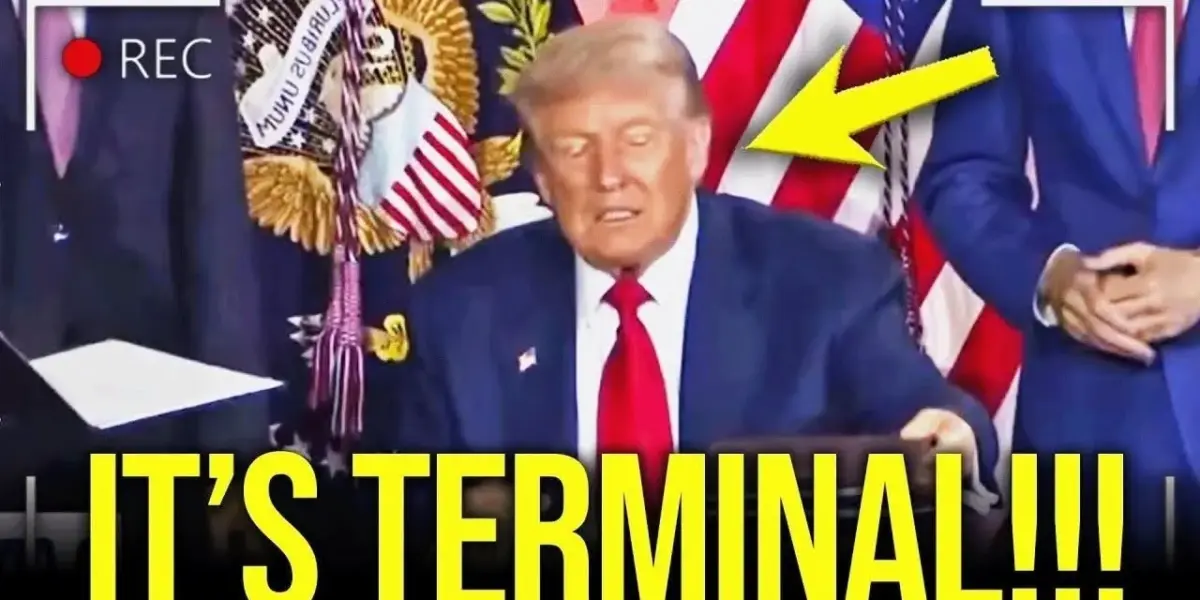
Concerns Grow Over Donald Trump’s Mental Fitness
Recent discussions and analyses are focusing on former President Donald Trump’s mental state. For some time, observers have pointed to what they describe as clear signs of cognitive decline. Now, these concerns are being voiced more widely, even by some who have previously supported him, including figures in media and politics.
Calls for Cognitive Assessment
These worries have led to official actions. For instance, a ranking member of the House Judiciary Committee has formally asked the White House physician to conduct a cognitive exam on Mr. Trump. This request was based on his posts on social media and his public statements, such as those made during the Easter egg roll event. Experts have repeatedly warned that the former president may be showing signs consistent with dementia and cognitive decline. In recent days, many have watched his public statements and outbursts, describing them as increasingly incoherent, volatile, profane, deranged, and threatening.
The 25th Amendment and National Security
Concerns about Mr. Trump’s fitness for office have even led to discussions about the 25th Amendment. This amendment allows for the removal of a president if they are unable to perform their duties. Former CIA Director John Brennan stated that the 25th Amendment was written with situations like this in mind. He expressed serious questions about Mr. Trump’s ability to remain commander-in-chief, particularly after recent statements and actions related to the Iran war. Brennan warned that the president’s words, combined with his control over U.S. military and nuclear power, represent a dangerous mix of power and instability. He noted that in the past, people around a president might have refused unconstitutional orders, but suggested that this safeguard may no longer exist in the current White House, which he described as being filled with loyalists.
Contradictory Statements and Public Confusion
Evidence cited to support these concerns includes instances of Mr. Trump making contradictory statements in a short period. For example, during a discussion about the Strait of Hormuz and NATO, he seemed to change his position multiple times within the same meeting. At one point, he emphasized that the U.S. doesn’t need help from allies, calling America the strongest nation with the strongest military. Then, he suggested that allies should be eager to help, especially if the U.S. needs their support. This kind of inconsistency has led to confusion and worry among many observers.
Misunderstanding Cognitive Tests
Another area of concern involves Mr. Trump’s public comments about taking a cognitive test. He has bragged about taking and acing a cognitive test, even claiming it was difficult and that he took it multiple times. However, fact-checks reveal that the test he likely refers to, the Montreal Cognitive Assessment (MoCA), is a 10-minute screening for dementia. It does not involve complex math problems or serve as an intelligence test. The test includes simple tasks like naming animals, drawing a clock, and counting backward. The confusion around this test, and Mr. Trump’s description of it, has added to the concerns about his cognitive abilities.
Family and Former Associates Speak Out
Even some of Mr. Trump’s own family members and former associates have voiced their concerns. Mary Trump, his niece, has spoken about his increasing lack of impulse control and inability to understand appropriate behavior. She also expressed concern about his psychological deterioration. She noted that psychiatric disorders do not simply disappear without treatment. She believes that his poor physical health, clear cognitive decline, and psychological issues, combined with stress, an unhealthy lifestyle, and lack of sleep, could lead to incapacitation. She suggested this might even be a better outcome than him continuing on a dangerous path that puts the country and the world at risk to protect his ego.
Broader Concerns and Historical Context
These concerns are not limited to a few individuals. Right-wing figures and media personalities, who were once strong supporters, are now also discussing Mr. Trump’s cognitive decline. Some have pointed out his erratic speech patterns, difficulty finding words, and illogical thought processes as signs of dementia. They express frustration, feeling that warnings about his potential to fill government positions with loyalists who disregard the Constitution were ignored. The worry is that if he were to return to power, his appointments would be based solely on loyalty, with no regard for constitutional principles.
Why This Matters
The potential cognitive and psychological state of any leader, especially one with access to nuclear codes and command over the military, is a matter of profound national and international importance. When a leader’s decision-making abilities are questioned, it raises serious doubts about their capacity to handle crises, negotiate complex international relations, and uphold democratic principles. The concerns voiced by former intelligence officials, political figures, medical professionals, and even family members create a compelling picture that demands serious attention. The historical context of presidential health has often been kept private, but in an era of instant information and global interconnectedness, transparency about a leader’s fitness becomes increasingly crucial for public trust and national security.
Implications and Future Outlook
The ongoing discussion about Mr. Trump’s mental fitness has significant implications. It fuels political debate and influences public perception. If these concerns are widely accepted, they could impact his political viability and the choices of voters. Furthermore, the calls for formal cognitive assessments highlight a broader societal debate about accountability for public figures and the standards expected of those in positions of power. The future outlook suggests that these questions about leadership fitness will likely continue to be a significant topic in political discourse, potentially leading to increased scrutiny of all candidates and leaders. The debate also touches on how society addresses concerns about aging and cognitive health in public life.
Source: MASS Investigation into Trump HEALTH BOMB (YouTube)

Related Articles
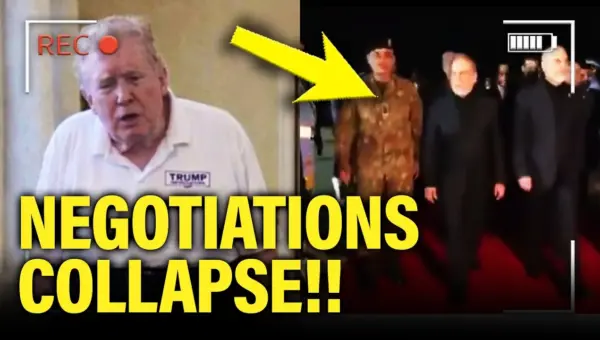
US-Iran Talks Collapse: Trump’s Dealmaking Falters
Recent U.S.-Iran negotiations in Pakistan have collapsed, with both sides blaming the other for changing the framework and imposing demands. The failure raises concerns about renewed conflict and highlights deep-seated mistrust.
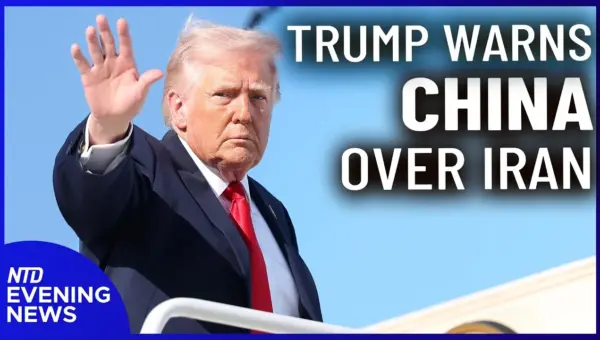
Trump Warns China on Iran Arms: A Global Power Play
Former President Donald Trump has issued a stern warning to China, cautioning against supplying weapons to Iran. This geopolitical statement comes amid U.S. diplomatic efforts in Pakistan and military operations in the Strait of Hormuz. The warning highlights potential U.S.-China friction and its global implications.
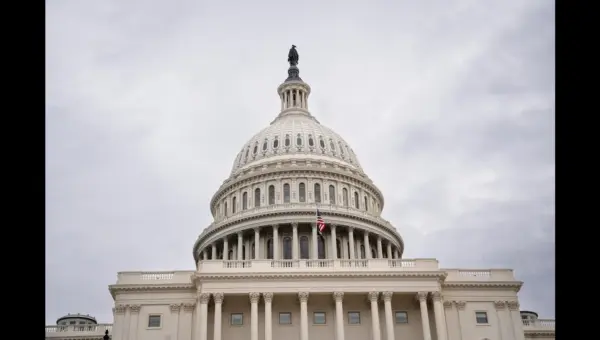
Congress Faces War, Shutdown Chaos Upon Return
Congress returns to a nation grappling with a prolonged government shutdown and heightened international tensions. Lawmakers face pressure to fund agencies, pass key legislation, and address military readiness amid global competition. The coming weeks will test their ability to navigate these complex challenges.