Trump’s Health on Display: A Nation Watches and Wonders
The physical state of Donald Trump is under intense public scrutiny following his appearance at a Medal of Honor ceremony. Observers noted perceived cognitive impairment and visible health issues, reigniting debates about the fitness of public figures for leadership.

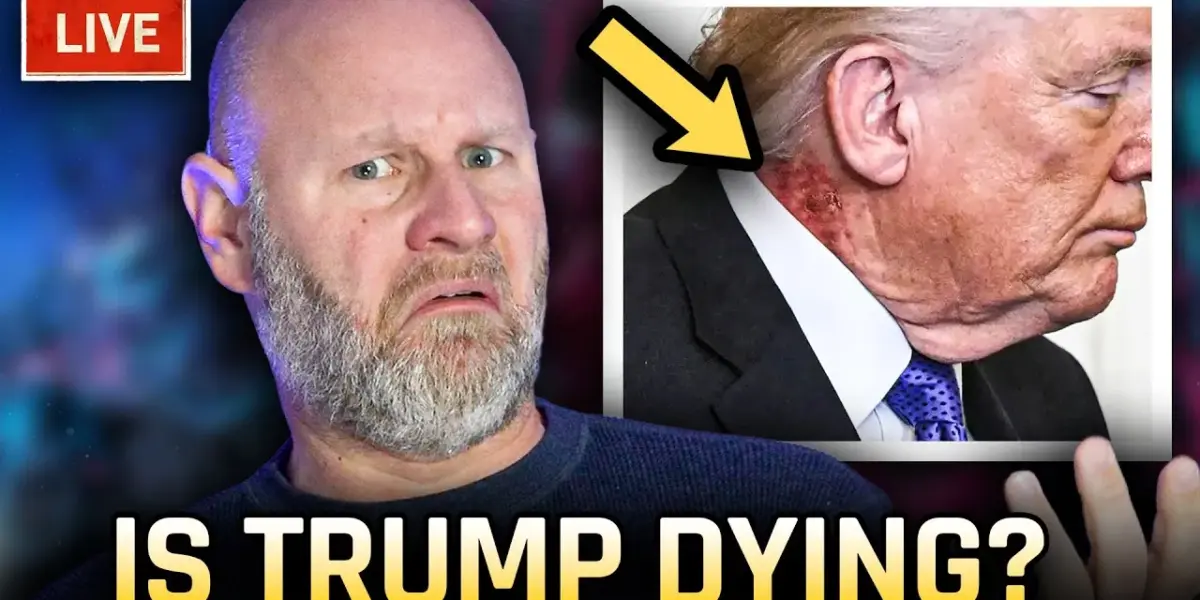
A Public Spectacle: The Scrutiny of Donald Trump’s Health
Donald Trump, a figure who has consistently commanded global attention, recently found himself under intense scrutiny not for his policy pronouncements or political maneuvers, but for his physical appearance. An incident at a Medal of Honor ceremony brought his perceived health into sharp focus, sparking widespread discussion and concern among observers. The narrative emerging from this event suggests a visible deterioration, prompting questions about the former president’s well-being and its implications for the public sphere.
The Medal of Honor Ceremony: A Moment of Observation
The Medal of Honor ceremony, an event typically dedicated to honoring military heroism, unexpectedly became a focal point for discussions surrounding Donald Trump’s health. Reports from the event described Trump as appearing “cognitively impaired” and “visibly decaying.” These observations, amplified by social media and subsequent commentary, painted a picture of a public figure whose physical state was becoming increasingly apparent to onlookers. The description of a “disgusting new ailment” being displayed suggests a specific, observable symptom that contributed to the heightened concern.
While the specific nature of the “ailment” was not detailed in the provided transcript, the emphasis on its visibility and the reaction it provoked – described as “grossed out” – highlights the impact of physical presentation on public perception, particularly for figures in the public eye. This moment underscores the intense, often unflattering, level of scrutiny that public figures, especially former presidents, endure.
Historical Context: The Health of Presidents and Candidates
The health of American presidents and presidential candidates has long been a subject of public interest and, at times, significant concern. From Franklin D. Roosevelt’s polio, largely concealed from the public, to John F. Kennedy’s struggles with Addison’s disease and chronic pain, the physical and mental fitness of those seeking or holding the highest office has periodically come to the forefront. In modern times, with increased media access and the 24/7 news cycle, such concerns are amplified and debated more openly.
Historically, transparency regarding a candidate’s health has varied. FDR’s administration made a concerted effort to shield him from public view in ways that would be impossible today, while more recent candidates have released detailed medical reports. The current era demands a level of disclosure that can be both invasive and necessary for voters to make informed decisions. Trump himself has been the subject of considerable speculation regarding his health throughout his public life, with differing opinions often aligning with political viewpoints.
Analyzing the Perception: Beyond the Visual
The commentary surrounding Trump’s appearance at the ceremony suggests a perception of decline that extends beyond mere visual observation. The term “cognitively impaired” points to concerns about his mental acuity, a critical factor for any leader. While the transcript does not offer specific examples of cognitive impairment, the assertion itself contributes to a broader narrative about his current state.
It is crucial to acknowledge that perceptions of health, particularly for public figures, can be influenced by various factors, including political bias, the intensity of media coverage, and the inherent subjectivity of visual interpretation. What one observer might interpret as a sign of serious illness, another might dismiss as a minor, temporary condition or even a misinterpretation. The framing of the event in the transcript, however, leans heavily towards a negative interpretation, emphasizing the “deterioration” and “decay.”
Why This Matters
The health of a prominent political figure, especially one who remains a significant force in national politics, carries substantial weight. Voters often consider a candidate’s fitness for office as a paramount issue. If Donald Trump continues to be a leading figure in the Republican party and a potential presidential candidate, his physical and mental health will inevitably be a factor in public discourse and voter consideration.
Furthermore, the intense public focus on his appearance and perceived ailments raises broader questions about how we, as a society, discuss and judge the health of aging public figures. It highlights the tension between the public’s right to know and the individual’s right to privacy, a delicate balance that becomes particularly pronounced at the highest levels of power.
Implications, Trends, and Future Outlook
The trend towards increased scrutiny of candidates’ health is likely to continue. As medical science advances and public expectations for transparency evolve, voters will demand more comprehensive information about the physical and mental capabilities of those seeking to lead. This could lead to more rigorous medical evaluations becoming a standard part of the electoral process, potentially including independent assessments beyond those provided by a candidate’s personal physician.
For Donald Trump, the ongoing narrative about his health could shape public perception and influence his political future. If these perceptions of decline are widely accepted, they could pose a significant challenge to any future political aspirations. Conversely, his supporters might interpret such scrutiny as politically motivated attacks, potentially galvanizing their base.
The future outlook suggests a continued interplay between media narratives, public perception, and the actual health status of political figures. The challenge for journalists and analysts will be to report on these matters with a degree of objectivity, distinguishing between observable facts, informed speculation, and partisan commentary. The public, in turn, will need to critically evaluate the information presented, considering the source and potential biases.
Conclusion
The incident at the Medal of Honor ceremony serves as a stark reminder of the intense public gaze directed at prominent political figures, particularly concerning their health. While the specific nature and severity of Donald Trump’s perceived ailments remain subjects of interpretation and debate, the discussion itself highlights critical issues about leadership, public perception, and the evolving standards of transparency in politics. As the political landscape continues to develop, the health of its key players will undoubtedly remain a significant, and often unavoidable, element of the conversation.
Source: Visibly Dying Trump Terrifies Onlookers With Disgusting New Ailment (YouTube)

Related Articles


MAGA’s Shifting Sands: War in Iran Exposes Deep Divides
Prominent MAGA figures and influencers are reportedly expressing significant dissent towards Donald Trump's administration over its actions concerning Iran. This internal fracturing suggests a potential crisis of faith within the movement, driven by a perceived betrayal of core principles like non-interventionism.


Trump’s Iran Gambit: Legacy of Destruction or Strategic Masterstroke?
The recent US strikes on Iran, justified by an 'imminent threat,' have ignited debate about Donald Trump's legacy. Critics question the legality and shifting justifications, drawing parallels to the Iraq War and warning of potential regional instability. The long-term consequences remain uncertain.
Trump Welcomes German Chancellor Merz to White House
President Donald Trump hosted German Chancellor Friedrich Merz at the White House for critical talks on economic cooperation and global security. The summit emphasized strengthening the vital U.S.-German alliance amidst evolving international challenges. Both leaders aimed to align strategies on trade, defense, and pressing global issues.