Trump’s Health Declines Amidst War: A Nation’s Concern
Concerns are mounting over Donald Trump's physical and cognitive health amidst escalating international conflict. Observers point to visible signs of deterioration and erratic public statements, raising questions about his fitness for leadership during critical times.

Trump’s Deteriorating Health: A Public Spectacle
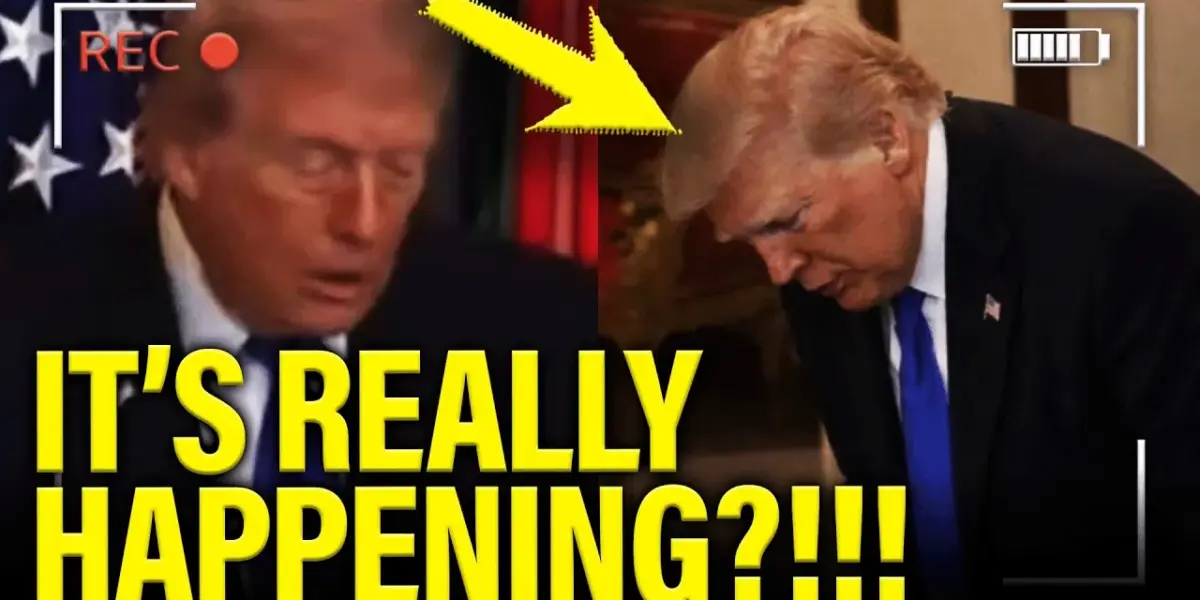
Recent public appearances by Donald Trump have fueled widespread discussion and concern regarding his physical and cognitive health. Observers have noted a series of concerning physical manifestations, including a prominent rash on his neck, discolored hands, and what some describe as a “droopy face” resembling post-stroke symptoms. These visual cues, coupled with observed difficulties in walking straight, have led to speculation about his overall well-being.
Physical Manifestations and Medical Secrecy
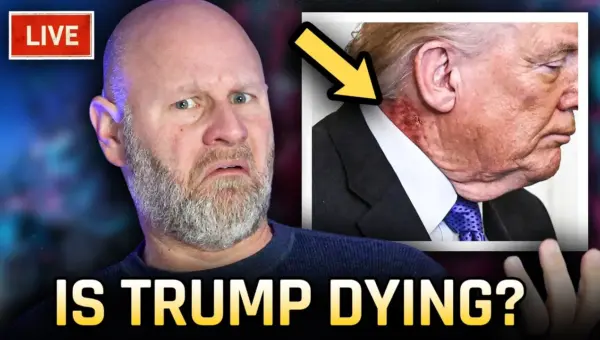
Footage from various events has captured Trump exhibiting what appears to be physical distress. His gait has been described as “zigzagging” in past public appearances, and a recent incident at a veterans’ event highlighted a visible rash on his neck. This rash was later explained by his physician, Dr. Sean Barbarella, as a reaction to a common, preventative skin cream used for precancerous lesions. However, the explanation has done little to quell public unease, with questions arising about the necessity of such secrecy surrounding a seemingly routine medical treatment, especially given past instances of opaque medical reporting.
The discolored hands, which have also drawn attention, have been a subject of various theories, including potential IV injections. The White House physician’s past statements regarding Trump’s medical examinations, which have shifted from MRI to CT scans and specific body parts, have also contributed to a perception of a lack of transparency. This pattern of guarded medical information, particularly during a critical election cycle and amidst international conflict, raises questions about accountability and public trust.
Cognitive Concerns and Public Discourse
Beyond the physical, concerns have also been raised about Trump’s cognitive abilities. His speech patterns have been noted as disjointed, with a tendency to lose his train of thought or struggle to connect sentences. More strikingly, Trump has repeatedly expressed doubts about his own salvation, stating he does not believe he will get into heaven. This recurring theme, often delivered in public forums, has been interpreted by some as a sign of existential reflection, while others view it as indicative of a deeper psychological or cognitive state.
His public statements have also veered into unusual territory, including recounting instances of men wanting to kiss him, discussing his perceived ability to pick out drapes, and expressing admiration for individuals imprisoned for actions related to election challenges. These seemingly tangential remarks, interspersed with pronouncements on policy and current events, have led to a perception of erratic behavior and a potential disconnect from pressing national issues.
The War in Iran: A Commander-in-Chief’s Role
The timing of these health concerns is particularly significant given the escalating geopolitical tensions and the United States’ involvement in a conflict with Iran. Historically, a president’s health has been a critical factor in national security and public confidence. In times of war, the leader’s capacity to make sound decisions under pressure is paramount.
Delegation and Shifting Narratives
During the recent escalation of conflict, a notable trend has been Trump’s perceived delegation of communication regarding the war effort. Instead of directly addressing the nation or engaging in traditional press briefings, he has seemingly relied on surrogates and allies, such as Benjamin Netanyahu, to articulate the rationale and strategy behind the military actions. This has led to a situation where key explanations of the war’s origins and objectives are being delivered by foreign leaders or political figures other than the President himself.
Reporters seeking direct comment from Trump have often been met with what are described as “unhinged” or “deranged” responses, characterized by a dismissive attitude towards the human cost of war and a lack of clear strategic vision. His statements on deploying ground troops, for instance, have been notably ambiguous, shifting from a stance of probable necessity to a more casual “we’ll see what happens.” This contrasts sharply with his past promises to end foreign entanglements and avoid protracted conflicts.
Historical Context of Presidential Health and War
The history of American presidencies is replete with examples where a leader’s health has influenced national and international affairs. From Franklin D. Roosevelt’s polio to John F. Kennedy’s chronic health issues, the public and political spheres have grappled with the implications of a president’s physical and mental condition. In times of crisis, such as wartime, the stakes are invariably higher. The perceived frailty of a commander-in-chief can embolden adversaries and sow doubt among allies, potentially impacting the stability of global affairs.
Why This Matters
The convergence of Donald Trump’s apparent health challenges and the nation’s involvement in a significant international conflict presents a complex and potentially perilous situation. The electorate faces the prospect of choosing a leader whose physical and cognitive faculties are under intense scrutiny, at a time when clear, decisive leadership is most needed.
Implications for Governance and National Security
If concerns about Trump’s health are indeed valid and ongoing, it raises fundamental questions about his capacity to fulfill the demanding duties of the presidency, particularly in matters of national security. The observed inconsistencies in his public statements, the perceived reliance on others for critical messaging, and the visible signs of physical decline could, in a high-stakes environment, lead to miscalculations, delayed responses, or a lack of coherent strategy. The transparency surrounding his medical condition is not merely a matter of public curiosity but a crucial element in assessing his fitness for office.
Future Outlook and Public Trust
The ongoing narrative surrounding Trump’s health is likely to remain a central theme in political discourse. Voters will be tasked with weighing these concerns against his policy positions and past performance. The lack of definitive, transparent medical information only serves to amplify speculation and distrust. As the nation navigates a volatile international landscape, the health and cognitive acuity of its leader will be under an unprecedented level of public and global scrutiny. The outcome of this scrutiny could significantly shape not only the upcoming election but also the perception of American leadership on the world stage for years to come.
The situation underscores a broader trend in modern politics where the personal lives and well-being of candidates are increasingly scrutinized. However, when these personal aspects intersect with the weighty responsibilities of leading a nation, especially during times of conflict, they transcend mere gossip and become matters of profound public interest and national importance. The ability of a leader to command respect, project strength, and make sound judgments is intrinsically linked to their overall health and mental fortitude.
Source: Trump’s HEALTH CRASHES as War TAKES HIM DOWN!! (YouTube)

Related Articles
Prediction Markets Surge on Iran Conflict, Sparking Ethical Debate
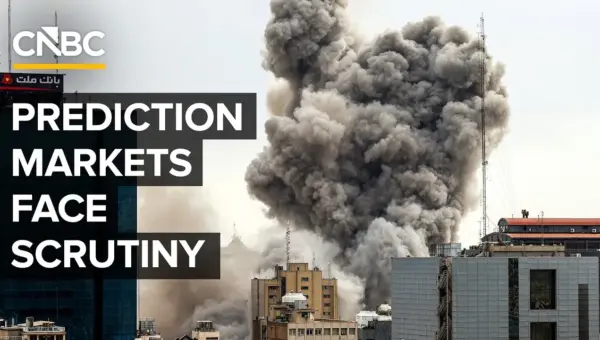
Prediction markets saw record trading volumes amid escalating Middle East tensions, with significant bets placed on Iran-related events. The surge has ignited ethical debates and calls for legislative bans on contracts related to war and death.
Trump’s Health on Display: A Nation Watches and Wonders
The physical state of Donald Trump is under intense public scrutiny following his appearance at a Medal of Honor ceremony. Observers noted perceived cognitive impairment and visible health issues, reigniting debates about the fitness of public figures for leadership.
Trump’s Epstein Gambit Backfires, Demands for Testimony Mount
Donald Trump's strategy to deflect attention from the Epstein files by targeting the Clintons has backfired, creating a precedent that now demands his own testimony. The "Clinton Rule" is forcing a reckoning with his past associations.