Trump’s Grip Tightens: House Republicans Fold on Funding Bill
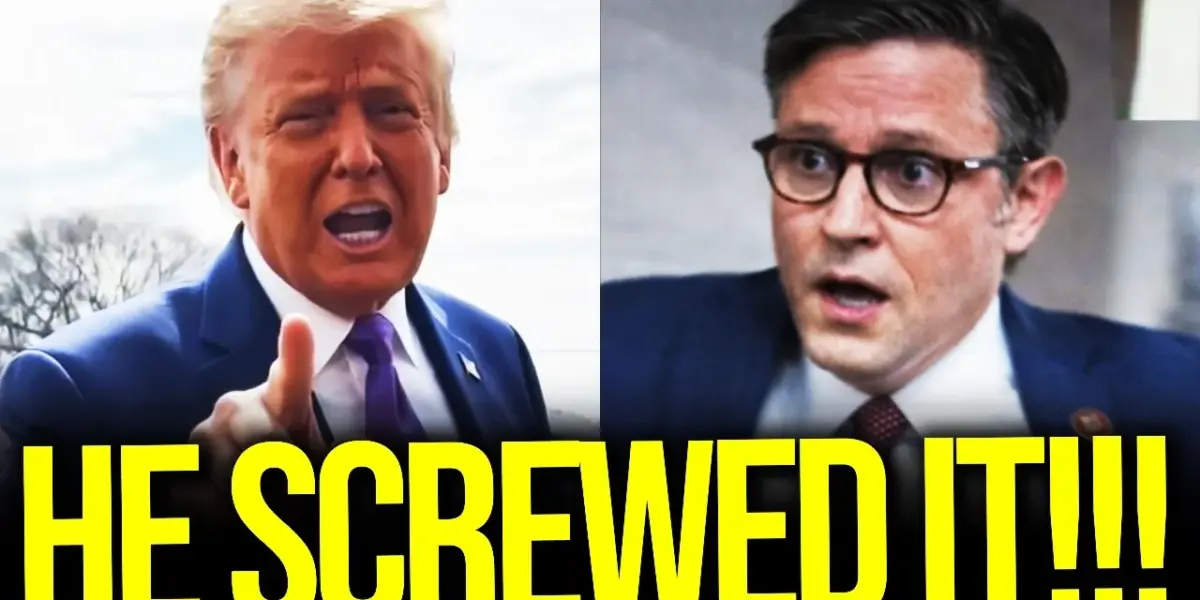
House Republicans, influenced by Donald Trump, have rejected a bipartisan bill to fund the Department of Homeland Security, causing chaos and leaving essential workers unpaid. Senate Republicans had unanimously passed the bill, but Speaker Mike Johnson ultimately folded to Trump's demands, highlighting the former president's strong grip on the party.

Trump’s Grip Tightens: House Republicans Fold on Funding Bill
In a dramatic turn of events, the U.S. House of Representatives has rejected a bipartisan bill to fund the Department of Homeland Security, including essential agencies like the TSA. This decision, made under the apparent influence of former President Donald Trump, has thrown the Republican party into disarray just months before the midterm elections.
Senate Strikes a Deal, House Refuses
The U.S. Senate, in a rare display of unity, had unanimously passed a funding measure to keep key government operations running. This bill specifically addressed immediate needs for the TSA and other critical services, while deferring discussions on ICE to a later date. This bipartisan agreement was seen as a significant step towards resolving a weeks-long funding standoff.
However, the momentum stalled when the bill moved to the House. Speaker of the House Mike Johnson, facing pressure from Donald Trump, ultimately chose to block the bill. This move directly contradicted the Senate’s bipartisan effort and placed blame squarely on the Republican party for the ongoing funding issues.
Republicans Flee Washington Amidst Chaos
Following the House’s rejection of the funding bill, several Republican senators were seen departing Washington D.C., appearing reluctant to address the unfolding situation. Senate Minority Leader Chuck Schumer, when questioned about the progress, offered a reserved response, stating, “We made some temporary headway, but we got a lot of work to do still.” This sentiment was echoed by other Republican leaders, who seemed eager to avoid accountability.
Johnson’s Defense and Trump’s Influence
When pressed by reporters, Speaker Mike Johnson struggled to explain the House’s decision. He attempted to shift blame to Democrats, claiming they were pushing for open borders and neglecting border security. However, reporters pointed out that the bill in question was a bipartisan Senate agreement, and that Donald Trump was the one who directed Johnson to reject it.
“Donald Trump is the one who shot this down. You know it’s bad when Speaker of the House Mike Johnson is pretending that Republicans are not in charge right now. He’s literally pretending that Democrats have power in the Senate.”
Johnson’s explanation that he had to “protect the House” and the “American people” was met with skepticism, as it appeared to be a direct response to Trump’s directives rather than a genuine policy stance. This internal conflict within the Republican party highlights a significant division between those willing to compromise and those prioritizing loyalty to Trump.
The Impact on Government Workers and the Public
The funding dispute directly impacts thousands of TSA workers and other Department of Homeland Security employees who have gone without paychecks for an extended period. Long wait times at airports, like the 150 minutes reported in Houston, are a direct consequence of this governmental gridlock. The situation underscores the human cost of political infighting and the disruption it causes to essential public services.
Trump’s Executive Order: A Constitutional Question
In an attempt to address the immediate crisis, Donald Trump issued an executive order to fund TSA agents. However, this action raises constitutional questions regarding the balance of power between the executive and legislative branches. Congress holds the power of the purse, and the ability of a president to unilaterally allocate funds when Congress is in disagreement is a contentious issue.
Why This Matters
This incident reveals a critical dynamic within the Republican party: the overwhelming influence of Donald Trump over legislative actions. Even when bipartisan agreements are reached in the Senate, the House, under Trump’s direction, can derail them. This suggests that party loyalty to Trump is superseding the practical needs of government functioning and the well-being of public servants.
Implications and Future Outlook
The events surrounding this funding bill have significant implications for the upcoming midterm elections. By prioritizing Trump’s agenda over bipartisan cooperation, House Republicans are positioning themselves to be held accountable for government shutdowns and the disruption of essential services. This could alienate moderate voters and energize opposition.
The trend of prioritizing political expediency and loyalty to a single figure over governance could become more pronounced. It signals a potential for continued gridlock and instability in Washington, as legislative decisions are increasingly dictated by external political pressures rather than the merits of policy.
Historical Context
Government funding battles and shutdowns are not new in American politics. However, the current situation is characterized by an unprecedented level of partisan polarization and the overt influence of a former president on legislative proceedings. Historically, such impasses have been resolved through negotiation and compromise, reflecting a shared commitment to the functioning of government. This recent episode, however, suggests a departure from that norm, with one party seemingly willing to obstruct for perceived political gain, guided by a powerful external figure.
Source: Republicans FLEE DC as Trump SCREWS THEM! (YouTube)

Related Articles
Trump’s CPAC Cheer: Populist Promises Crumble
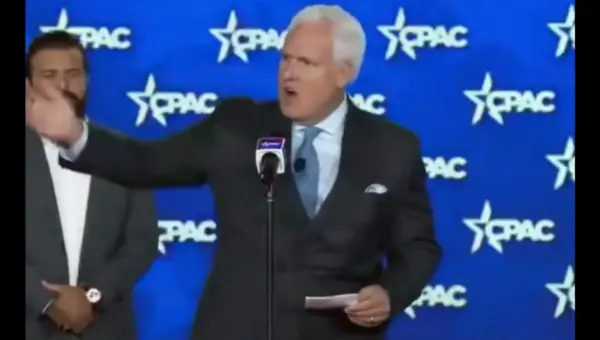
Cheers for impeachment hearings at CPAC suggest cracks in Donald Trump's popularity. Critics argue his populist promises have gone unfulfilled, benefiting only himself and his allies. Voters are urged to hold leaders accountable and demand tangible results.
Trump Courts Farmers with Trade, Tax Promises
President Trump hosted a large gathering of American farmers, pledging trade deals, tax cuts, and deregulation to boost farm income. He highlighted efforts to end the estate tax and increase soybean exports to China, while also promising to lower equipment costs through reduced regulations. Analysts, however, raised concerns about the impact of tariffs and the true origin of manufactured goods.
TSA Agents Face Financial Crisis Amid Government Shutdown
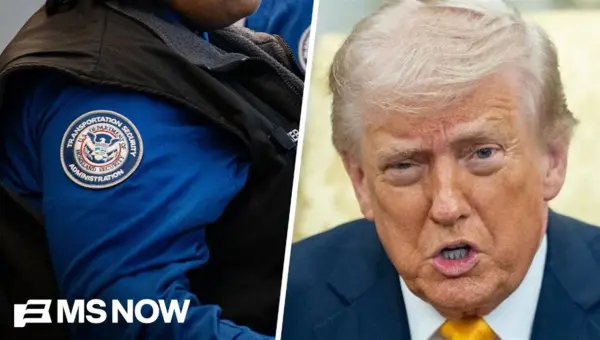
TSA officers are facing extreme financial hardship due to the government shutdown, with many going unpaid for over 40 days and resorting to selling plasma for money. Union representative Johnny Jones described the situation as a "real crisis," with agents feeling like "political pawns." He called for immediate payment and a $10,000 bonus to recognize their sacrifices.