Trump’s Grip Loosens as Allies Question His Future
Recent events at CPAC show growing unease with Donald Trump, with some attendees applauding impeachment calls. Concerns about future prosecutions and declining economic approval ratings highlight potential shifts. Congressman Eric Swalwell critiques Trump's policies, advocating for domestic investment over foreign conflict.

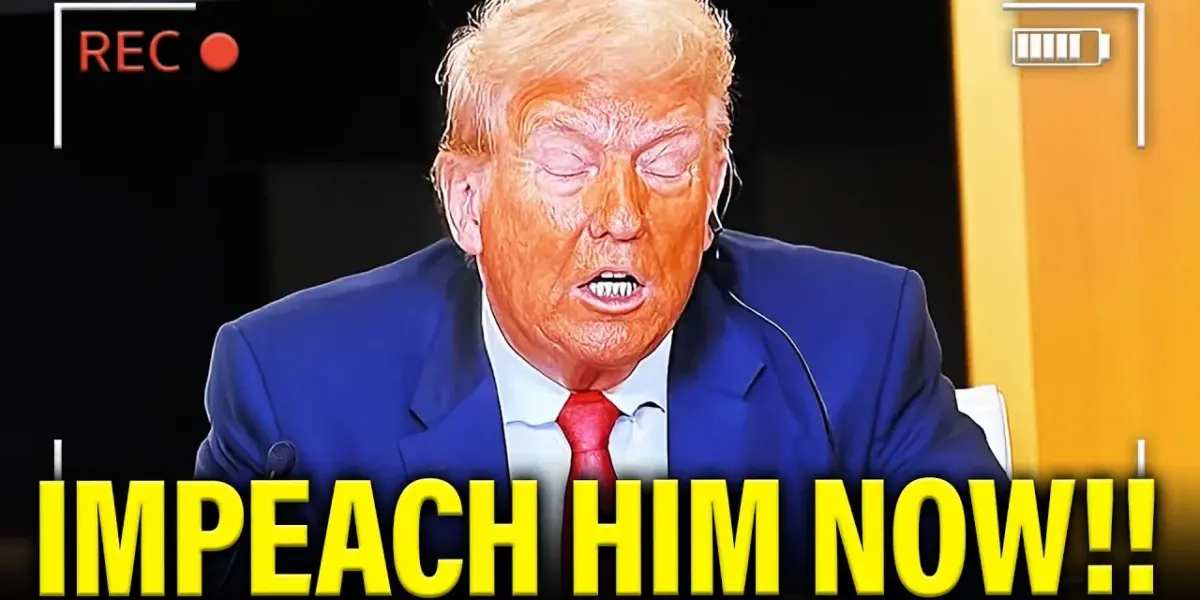
Trump’s Grip Loosens as Allies Question His Future
Even some within Donald Trump’s own political circle are starting to voice doubts about his leadership. Recent events at the Conservative Political Action Conference (CPAC) suggest a growing unease, with some attendees even applauding calls for Trump’s impeachment.
Echoes of Discontent at CPAC
During a recent CPAC gathering, the head of CPAC, Matt Schlapp, asked the crowd a provocative question: “Who here wants to see Donald Trump get impeached?” To his apparent surprise, the crowd responded with applause. Schlapp humorously tried again, asking, “How many of you would like to see impeachment hearings?” Again, the crowd responded with a negative sound. This moment, captured on video, highlights a complex sentiment among some conservatives. It could indicate either a genuine desire for impeachment or simply the unpredictable nature of a Trump-aligned audience.
Fear of Retribution Looms
The anxieties extend beyond public forums. At the same CPAC event, a former Trump administration official, Todd Blanck, expressed a significant concern: the fear of prosecution if Democrats gain control of both the House and the executive branch in future elections. Blanck stated, “Everybody’s afraid that the next administration if we don’t win, we’re going to all be investigated and indicted.” He contrasted this fear with the ideals of America, suggesting it felt more like a “third world country” to anticipate such actions. He recalled that during the previous Trump administration, many of his cabinet members and White House staff had to appear before grand juries.
Citizenship as a Privilege, Not a Right?
Adding to the controversial discussions, former White House official Pam Bondi made a striking statement about citizenship. She suggested that being a citizen in the United States is not a right but an “absolute privilege.” Bondi implied that Donald Trump would have the power to decide who truly deserves to be a citizen. This viewpoint sparked debate, as it challenges the long-held understanding of birthright citizenship and the rights afforded to all citizens.
Economic Woes and Declining Approval
Meanwhile, Donald Trump’s standing on key issues, particularly the economy, appears to be declining. His approval ratings on the economy are reportedly at a historic low, with a net negative rating of 33%. On the cost of living, this figure drops to a net negative 41%. Overall, his approval rating stands at 36% and continues to fall. Notably, his support among white, non-college-educated male voters has also dipped. This demographic, which previously showed strong support, has shifted to a net negative 4%, a significant drop from a positive 10% just a few months prior.
The 25th Amendment Question
The discussion around Trump’s fitness for office has also brought up the 25th Amendment, which allows for the removal of a president if they are deemed unable to perform their duties. In a clip, Trump himself briefly touched upon the idea, though he did not elaborate, hinting at potential repercussions if he were to speak too freely about such matters.
A Critic’s Perspective on Policy and Priorities
Democratic Congressman Eric Swalwell offered a sharp critique of Trump’s policies and priorities. He pointed to the rising cost of living, attributing it partly to Trump’s trade policies, specifically tariffs. “He promised he’d lower costs on day one and instead he’s done the exact opposite with his stupid tariff tax that has raised the cost of almost everything that we buy,” Swalwell stated. He also criticized Trump’s foreign policy, noting that despite promises to end wars, new conflicts have emerged, increasing costs for Americans. Swalwell highlighted the high gas prices in California, linking them to these ongoing conflicts.
Rethinking National Spending Priorities
Swalwell proposed a shift in national spending, questioning why billions are allocated to foreign conflicts while domestic needs go unmet. He expressed a desire to see resources used for building housing, improving healthcare, and supporting education and job creation. “Imagine a world, regardless of who the person is, came into power and they use the money in order to build housing and to give people health care and to help people get the type of education they want and help people find jobs,” he suggested. He contrasted this with the current focus on conflict, arguing that investing in people would yield greater benefits for the nation.
California’s Political Climate
The conversation then turned to California’s political landscape, with Swalwell discussing the upcoming gubernatorial race. He emphasized the need for a leader who will act as a “fighter and a protector” for the state’s residents. He criticized the Trump administration’s immigration policies, describing them as cruel and intimidating. Swalwell positioned himself as a candidate with a proven record of opposing Trump, citing his past actions in investigations, impeachments, and a lawsuit against the former president.
A Vision for a “New California”
Swalwell outlined his vision for a “New California,” focusing on tangible progress rather than abstract promises. He pledged to streamline housing approvals, aiming to increase supply and address affordability issues. “A goal without a deadline is a dream,” he asserted, emphasizing his commitment to action. He believes that by focusing on growth, economic development, and building infrastructure, California can overcome its challenges and create a more optimistic future. He contrasts this with a focus on “cruelty and evil” that he attributes to the current political climate.
Why This Matters
The events at CPAC and the statements from former officials and political commentators reveal a potential fracture within the Republican base. The growing unease, coupled with declining approval ratings on critical issues like the economy, suggests that Donald Trump’s political influence may be waning. The discussion around impeachment and the 25th Amendment, even if speculative, indicates a level of concern about his leadership and its potential consequences. Furthermore, the debate over national spending priorities, contrasting foreign conflict with domestic investment, highlights a fundamental difference in vision for the country’s future.
Implications, Trends, and Future Outlook
This period could mark a turning point in American politics. If prominent figures within the conservative movement continue to distance themselves from Trump, it could reshape the Republican party. The focus on economic hardship and the perceived misallocation of resources may resonate with voters across the political spectrum. The emphasis on action and tangible results, as proposed by Swalwell, could become a more appealing political message. The future outlook suggests a potential for increased political polarization, but also an opportunity for a renewed focus on policy solutions that address everyday concerns of Americans.
Historical Context
The calls for impeachment and discussions about presidential fitness are not new in American history. Presidents have faced impeachment proceedings before, and debates about a president’s mental and physical capacity to serve have occurred periodically. However, the current environment, marked by intense partisan division and the pervasive influence of social media, adds a unique dimension to these discussions. The questioning of democratic norms and institutions, including the very definition of citizenship, also echoes historical debates about rights and belonging in America.
Source: Trump LOSES IT as IMPEACHMENT CALLS GROW LOUDER!! (YouTube)

Related Articles
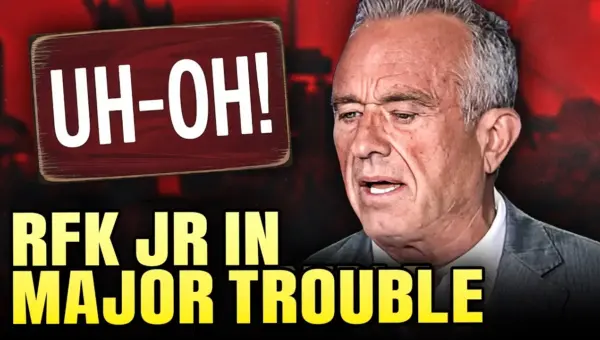
Kennedy’s Vaccine Ruling Fuels Trump’s Firing Frenzy
A federal judge's ruling against Robert F. Kennedy Jr.'s vaccine authority may signal his impending dismissal from the Trump administration. Author Michael Wolf suggests this setback, combined with other administration struggles, could trigger a wave of firings.

Ex-Trump Lawyer: Narcissism Drives Policy, Dollar Bill Change
Former Trump White House attorney Ty Cobb believes former President Trump's actions are driven by narcissism and a craving for adoration. Cobb discussed Trump's alleged boredom with the Iran conflict and the classified documents investigation, stating that embarrassment, not boredom, fuels Trump's reactions. He also suggested that Trump's desire for personal validation might lead him to seek his name on U.S. currency.

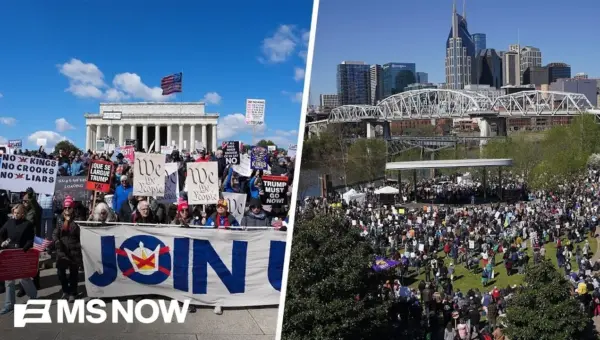
Thousands March Nationwide Against Trump, Iran War
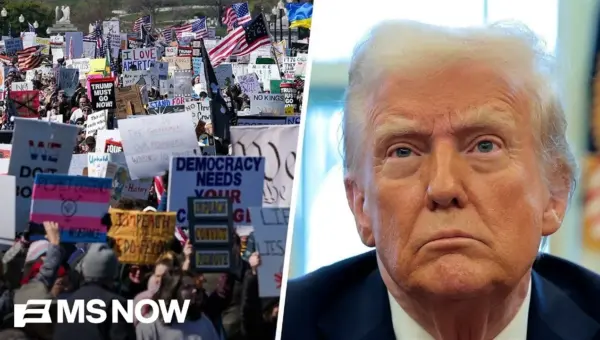
Thousands participated in nationwide 'No Kings Day' marches protesting against President Trump and the potential war in Iran. Events in St. Paul, West Palm Beach, and Austin drew large crowds and featured notable speakers and activists. The demonstrations highlighted widespread discontent and a push for greater civic engagement.