Trump’s Golfing Amidst War Raises Ethical Questions
Former President Donald Trump's decision to golf at his Florida resort during an ongoing Middle East war has sparked controversy. The author criticizes his actions, particularly his attire at a fallen soldiers' ceremony, raising questions about leadership and public perception during crises.


Trump’s Doral Diversion: Golfing While the Middle East Burns
In a moment that has drawn sharp criticism and raised profound questions about leadership during times of crisis, former President Donald Trump was observed golfing at his Doral resort in Florida while a war, which the transcript alleges he and Benjamin Netanyahu initiated, raged on in the Middle East. This observation, made on the eighth day of the conflict, highlights a stark contrast between the unfolding geopolitical turmoil and the former president’s chosen activity.
The Spectacle of the Sentry’s Hat
The visual of Trump donning the same hat he wore to a dignified transfer of fallen U.S. service members just the day prior has been described as “despicable” by the transcript’s author. This sartorial choice, seemingly unintentional but deeply symbolic, amplifies the perception of detachment from the gravity of the situation. The dignified transfer ceremony is a solemn occasion, reserved for honoring the ultimate sacrifice of military personnel. To see the same headwear appear on the golf course, amidst what is characterized as a leisurely pursuit, has understandably ignited public outcry and scrutiny.
A Pattern of Play in Times of Peril?
The transcript points to a pattern, suggesting that Trump has golfed approximately six times since the onset of the current conflict. This frequency, if accurate, leads to the assertion that the former president may be “addicted to slipping in rounds of golf during the most intense situations possible.” While the author draws a personal parallel to stress-relief habits like consuming a Diet Coke, they emphasize that for a figure of Trump’s stature, such actions transcend personal coping mechanisms. The implication is that his golfing is not merely a diversion but an outward display of “apathetic hell” during critical junctures.
Historical Context and Presidential Conduct
The conduct of presidents and former presidents during times of national and international crisis has long been a subject of public fascination and debate. Historically, leaders have been expected to project an image of unwavering focus and solemnity when the nation faces significant challenges. Whether it’s wartime speeches, strategic meetings, or moments of national mourning, the public often looks to its leaders for a clear demonstration of their commitment and understanding of the gravity of the situation.
Donald Trump’s presidency was marked by a distinctive style of communication and public engagement. His use of social media, rallies, and often unconventional personal habits were central to his political brand. This latest instance of golfing during a declared war, particularly one the transcript attributes to his influence, places his actions under a familiar yet intensified spotlight. The question arises: does this behavior reflect a deliberate strategy to project an image of strength and normalcy, or does it indeed signal a concerning lack of engagement with pressing global events?
Why This Matters
The actions of prominent political figures, especially former presidents, carry significant symbolic weight. When these actions occur against the backdrop of war and loss of life, they are subject to intense public scrutiny. The transcript’s author argues that Trump’s golfing, particularly when juxtaposed with his attendance at a ceremony for fallen soldiers, sends a damaging message. It can be interpreted as a disregard for the human cost of conflict and a failure to embody the gravest seriousness expected of a leader, even a former one.
This incident also touches upon broader themes of accountability and perception in politics. The transcript suggests a direct link between Trump and Netanyahu’s actions and the ongoing war, implying a level of responsibility for the resulting casualties. While the transcript doesn’t delve into the specifics of this alleged initiation, it frames Trump’s subsequent behavior as a response to a crisis he allegedly helped create. This raises critical questions about how leaders are perceived to be managing the consequences of their decisions, particularly when those consequences involve significant human suffering.
Implications, Trends, and Future Outlook
The incident serves as a potent reminder of the perpetual tension between the personal lives of public figures and their perceived duties. In an era of 24/7 news cycles and ubiquitous social media, every action is amplified and scrutinized. For political leaders, the line between private leisure and public responsibility can become blurred, leading to potential misinterpretations or genuine ethical concerns.
The trend towards a more personalized and often performative style of politics means that such moments are likely to become more frequent and more intensely debated. The public’s expectation of leaders is constantly evolving, influenced by media coverage and the inherent desire for visible leadership during times of crisis. Whether Trump’s golfing is a deliberate act of political messaging or a personal coping mechanism, it inevitably fuels the narrative surrounding his character and fitness for public life.
Looking ahead, this event underscores the enduring importance of public perception in politics. As the geopolitical landscape continues to be volatile, the actions of influential figures will remain under a microscope. The challenge for leaders, past and present, will be to navigate the complexities of public life in a way that is perceived as both authentic and appropriately serious, especially when the stakes involve international conflict and human lives.
Source: Trump Golfing Again During War #politics #fyp #new (YouTube)

Related Articles

Iran’s Pain Strategy: How Gas Prices Could Sink Trump’s Election Hopes
Iran's strategy to inflict maximum pain on the US through economic disruption, particularly rising gas prices, could significantly impact Donald Trump's political future. This analysis delves into Iran's calculated approach to deterrence and the broader regional implications.
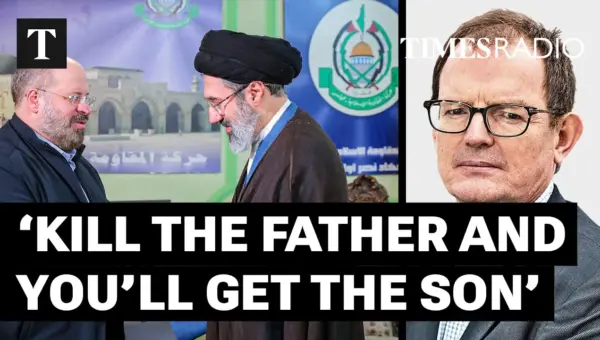
Iran Names New Supreme Leader, Defying Trump and Israel
Iran has appointed Majtaba Khamenei, son of the late Supreme Leader Ali Khamenei, as the new head of state. This move is seen as a direct defiance to the US and Israel, especially after President Trump named Majtaba as an unacceptable successor. The appointment solidifies the hereditary aspect of leadership, a departure from theocratic tradition, and raises regional security concerns.
Polls Signal Trump’s Downfall Amidst Voter Disillusionment
Mounting poll numbers and voter disillusionment suggest a significant challenge to Donald Trump's political standing. This analysis explores demographic shifts, economic pressures, and criticisms of political strategy that may signal a turning tide. The impact on the Republican party and the broader political landscape is profound.