Trump’s Golfing Amidst War Fuels Outrage, Media Scrutiny
Analysis of media coverage surrounding the Iran conflict reveals starkly different narratives from Fox News and CNN. The piece scrutinizes Donald Trump's golfing amidst military operations and the economic fallout, questioning the administration's justifications and leadership.

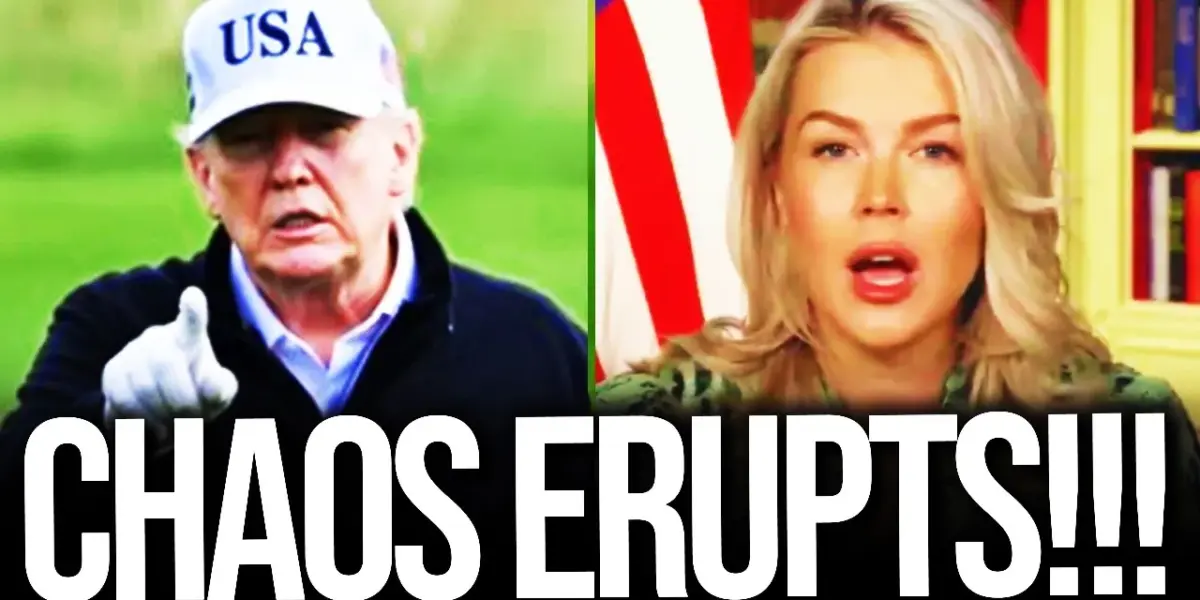
Trump’s Golfing Amidst War Fuels Outrage, Media Scrutiny
In a political media landscape often characterized by partisan divides and escalating rhetoric, recent events surrounding a conflict with Iran have brought a particular focus onto the actions and statements of prominent political figures. The narrative, as presented by some media outlets, highlights a stark contrast between the seriousness of international conflict and the perceived casualness of certain political responses, particularly those involving former President Donald Trump.
Echoes of the Past: Fox News and War Coverage
The commentary draws a parallel between the current media coverage of the Iran conflict and the reporting seen in the mid-2000s, specifically during the George W. Bush administration’s “endless wars.” The assertion is made that Fox News, in 2026, is exhibiting a similar pattern of “running cover” for Republican presidential actions, much like it did in 2005-2006. This historical comparison frames the current situation as a recurring theme, where media outlets are accused of downplaying the implications of military engagements while simultaneously advocating for policies that benefit certain economic groups, such as tax cuts for the wealthy, at the expense of social programs.
Divergent Narratives: Fox News vs. CNN
The analysis dissects the contrasting perspectives offered by Fox News personalities, Caroline Levitt and Laura Trump, and those presented by figures like Pete Buttigieg on CNN. Levitt and Trump are depicted as defending the Trump administration’s actions in Iran, characterizing the regime’s threats as “empty words” and emphasizing the perceived success of U.S. military operations. They claim significant damage to Iran’s naval capabilities and missile threats, with ballistic missile attacks reportedly down by 90% and drone capabilities by 95%. Levitt specifically refutes the idea that the Iranian regime is nearing collapse, stating it remains deeply entrenched with significant institutional power and a dedicated military force.
Conversely, the critique from the perspective of the analyzing outlet argues that Levitt’s portrayal of the situation is misleading. The analysis contends that the Iranian regime is far from crippled and possesses the capacity to rebuild and exert influence, particularly through its leverage over oil in the Strait of Hormuz. The opposition to the administration’s approach, according to this viewpoint, is not about rooting against the U.S. mission itself, but rather advocating for adherence to international law and strategic planning, which are seen as absent.
Buttigieg on Leadership and Consequences
Pete Buttigieg, presented as a serious politician with military experience and a background in public service, offers a different perspective on CNN. He critiques the Trump administration’s handling of the Iran situation, drawing parallels to past conflicts initiated on “false pretenses.” Buttigieg highlights that the current conflict was initiated without clear justifications and emphasizes the human cost, noting the loss of American service members and the impact on their families. He also points to the economic repercussions, including rising mortgage rates, food prices, and gas prices, directly linking these to the ongoing conflict. Buttigieg’s critique of the administration extends to its perceived lack of preparedness, suggesting that basic military advice regarding the Strait of Hormuz was ignored. He also strongly condemns the use of images of fallen soldiers in campaign fundraising materials, deeming it unfit for a commander-in-chief.
The Golfing Controversy
A central point of contention is Donald Trump’s repeated golfing during the period of military operations in Iran. Reports indicate that Trump engaged in golf on at least six occasions shortly after the commencement of U.S. strikes. The analysis criticizes this behavior, especially when juxtaposed with the sacrifices of U.S. troops and the escalating international tensions. The narrative from Trump’s team, as relayed by Levitt, attempts to frame his actions as being actively engaged, with him “incessantly asking for updates from the situation room.” However, this portrayal is met with skepticism, characterized as an attempt to grade him on a “kindergarten curve” and a deflection from the optics of his leisure activities during a crisis.
Economic Fallout and Shifting Justifications
The economic consequences of the conflict are a significant focus. The transcript details a sharp increase in average gas prices, from $2.90 a month prior to the conflict to nearly $3.70. This is presented as evidence that the war is not only ongoing but expanding, with Iran continuing to exert pressure. The use of the Strategic Petroleum Reserve is mentioned as a measure taken by the administration, though its effectiveness and timing are implicitly questioned. Furthermore, the analysis points out a shifting justification for the military action, from initial reasons to the later claim that the operation was necessary because Iran threatened to close the Strait of Hormuz, a move that ultimately occurred, leading to further U.S. military responses. This circular logic is heavily criticized.
Why This Matters
This analysis is crucial because it probes the intersection of media, political leadership, and public perception during times of international conflict. The debate over the Iran conflict highlights fundamental questions about accountability, transparency, and the role of leadership. The perceived disconnect between the gravity of war and the casualness of certain political figures’ responses, like Trump’s golfing, raises concerns about national priorities and the empathy of those in power. The critique of media narratives, particularly the alleged partisan slant in reporting, underscores the importance of media literacy and the need for diverse sources of information. Furthermore, the discussion of economic impacts on everyday citizens, such as rising gas prices, demonstrates how geopolitical events directly affect the lives of ordinary people, making informed public discourse essential.
Implications, Trends, and Future Outlook
The events described suggest a continuing trend of polarized political discourse, where complex foreign policy issues become fodder for partisan battles. The reliance on familiar talking points and historical comparisons by media outlets indicates a potential stagnation in nuanced political analysis. The emphasis on the economic consequences of war, such as inflation and increased energy costs, is likely to become a more prominent factor in public opinion and future political campaigns. The future outlook suggests a continued need for critical engagement with political messaging, a demand for greater transparency from leaders, and a heightened awareness of how international conflicts can destabilize economies and impact daily life. The effectiveness of military action in achieving long-term political objectives, particularly in regions with entrenched regimes, remains a persistent question, implying that diplomatic and economic strategies may require more emphasis.
Historical Context and Background
The conflict with Iran and the surrounding political discourse are deeply rooted in decades of complex U.S.-Iran relations. The historical backdrop includes the 1979 Iranian Revolution, the subsequent hostage crisis, and periods of proxy conflicts and sanctions. The Obama administration’s Joint Comprehensive Plan of Action (JCPOA), aimed at curbing Iran’s nuclear program, was a significant diplomatic effort that was later withdrawn by the Trump administration, leading to increased tensions and a resurgence of sanctions. The current conflict can be seen as an escalation within this long-standing adversarial relationship, influenced by regional power dynamics, internal Iranian politics, and the broader geopolitical landscape of the Middle East. The repeated use of military force in the region, from the Iraq War to current operations, has created a cycle of conflict and a public weariness with prolonged engagements, shaping how new military actions are perceived and debated.
Source: Karoline DUMBFOUNDED as Trump GOLFS during War (YouTube)

Related Articles
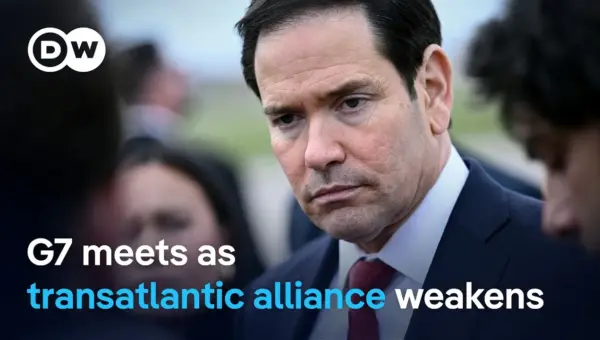
G7 Allies Clash Over Iran War Strategy, Urge Focus on Russia
G7 foreign ministers met in Paris, revealing deep divisions over the U.S. war with Iran. European allies urged the U.S. to pressure Russia, linking its actions to the conflict and fearing support for Ukraine will wane.

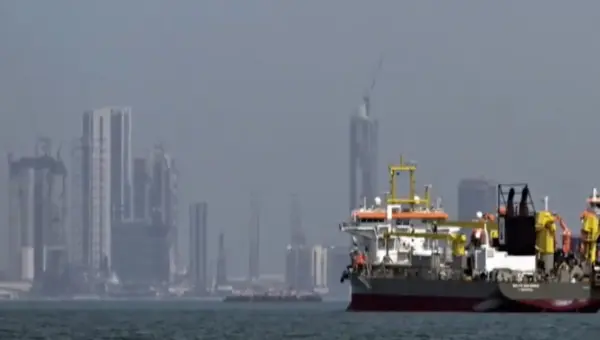
Iran Blocks China Ships, Exposing Beijing’s Weak Grip
Iran's recent decision to block Chinese ships at the Strait of Hormuz is exposing the limits of Beijing's influence in the Middle East. This action is causing delays and cancellations for Chinese manufacturers, turning a perceived geopolitical win into an economic strain.
Trump’s “Walk Away” Tactic Signals Tougher Stance on China
Retired Air Force Brigadier General David Stillwell believes President Trump's strategy of being willing to walk away from negotiations puts pressure on China. This tactic, combined with US global actions and strengthened alliances, signals a more assertive American foreign policy.