Trump’s Ghoulish Pitch: Selling Secrets for Cash
Donald Trump's latest fundraising email is under fire. It uses a photo of fallen soldiers and promises to share classified information. This tactic raises serious ethical and legal questions about national security and political fundraising.

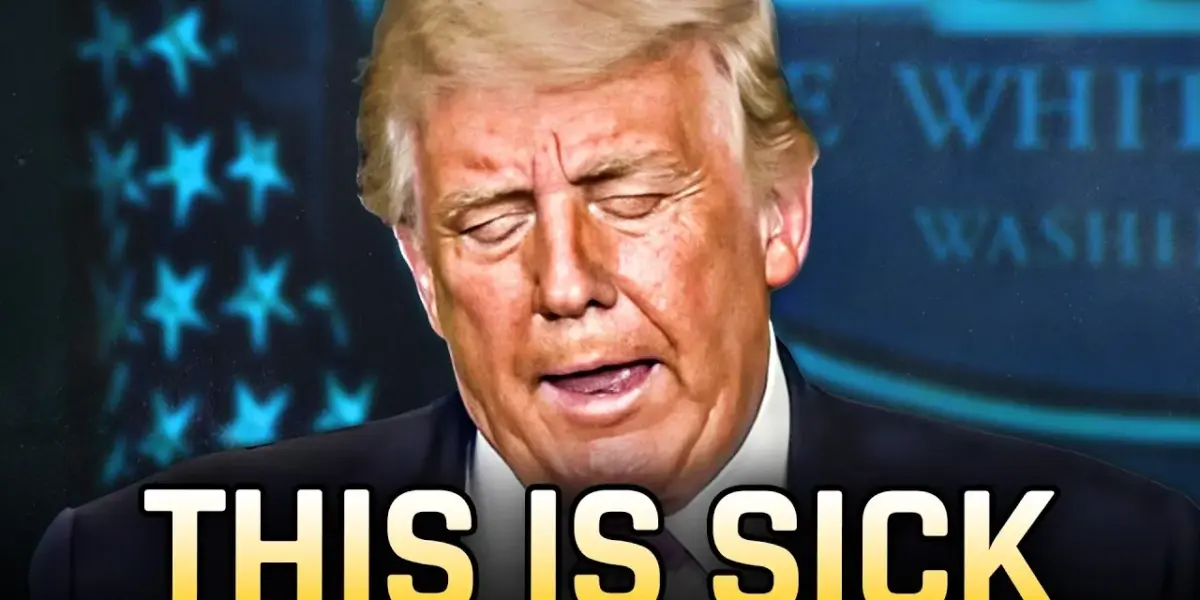
Trump’s Ghoulish Pitch: Selling Secrets for Cash
Donald Trump recently sent a fundraising email to supporters. It used a photo from a recent event. The picture showed the return of US soldiers killed in conflict. This happened a week ago. The soldiers died in a war initiated by Trump’s administration. The photo showed coffins of fallen soldiers. Trump was criticized for not removing his hat during this solemn event. A news channel also faced backlash for showing an old clip of him without a hat.
But the image was not the worst part of the email. Trump made a shocking promise to donors. He said he would share classified information with them. This was part of a new membership offer. He called it the National Security Briefing membership. He told potential members they would get his private briefings. They would also get updates on threats to America. These would cover border issues, foreign enemies, and hidden dangers. He claimed these updates were the “straight truth.” He said they would come directly from him. He highlighted his role in rebuilding the military. He also mentioned his “America First” policy.
A Risky Proposition
This fundraising pitch raises serious questions. Trump himself faced legal issues related to classified documents. He was accused of taking them from the government. A judge’s decision prevented a trial on this matter. Using the promise of sharing classified information seems unwise. It’s like offering to help people hide money from tax collectors. That’s another issue Trump has faced legal trouble over. It’s generally not smart to remind people of your legal troubles in fundraising.
If Trump were to actually share classified information with donors, it would be illegal. We don’t know exactly how this “briefing” would work. But the idea itself is disturbing. It suggests that people with money, or even loyal supporters, could gain access to sensitive national security details. This puts the country at risk. It’s a strange and unsettling approach.
The Question of Need
The use of dead soldiers’ photos is deeply concerning. It also makes us ask why Trump needs so much money. He cannot run for office again in the future. Some suggest he might not even be healthy enough. Even if he defied the law and tried to run, he would face legal hurdles. So, what is the money for?
The Republican party is struggling for funds. They expect a difficult midterm election. Trump is actively collecting money. He seems to be taking funds that could go to other Republican candidates. If I were part of the Republican party, I would be very unhappy. Trump is doing this to control the party’s finances. He wants all the money to flow through him. Candidates have to ask him for support. They must “kiss the ring” and do his bidding.
This explains his desperate need for funds. It doesn’t make the fundraising tactics any less offensive. But it clarifies his motivation. He wants to maintain power and control through money.
Why This Matters
This incident highlights a disturbing trend. It involves the blurring of lines between political fundraising and national security. Using images of fallen soldiers for profit is morally questionable. Promising to share classified information is potentially illegal and dangerous. It suggests a willingness to exploit sensitive information for personal gain or political power.
This raises concerns about the integrity of national security processes. It also questions the judgment of political leaders. The idea that private citizens could gain access to classified intelligence based on their donations is alarming. This could undermine trust in government institutions.
Implications and Future Outlook
The long-term implications are significant. If such practices become normalized, it could erode public trust further. It might also create a precedent for other politicians. This could lead to a system where access to information is tied to financial contributions. This is a dangerous path for any democracy.
The future outlook depends on public reaction and regulatory oversight. Voters may reject candidates who engage in such tactics. Government bodies might strengthen regulations. Transparency in fundraising is crucial. Protecting classified information must remain a top priority.
Historical Context
Throughout history, political fundraising has evolved. Early campaigns relied on wealthy donors. Later, grassroots movements emerged. Technology has changed how campaigns raise money. Social media and email lists allow direct appeals. However, ethical boundaries have always existed. Exploiting national security for personal gain has rarely been accepted. This current situation pushes those boundaries.
The use of solemn imagery for fundraising is not entirely new. However, the explicit offer to share classified information is a significant departure. It enters legally and ethically perilous territory. It echoes concerns about the handling of sensitive government data.
The promise of sharing classified information for donations is a serious accusation. It suggests a disregard for national security protocols. This could have far-reaching consequences.
The Aura Solution
In today’s digital age, personal information is vulnerable. Data brokers sell your information online. This can lead to identity theft and fraud. Aura offers a solution. It identifies and removes your data from these brokers. It provides a comprehensive digital security package. This includes identity theft protection and fraud alerts. Aura uses US-based support and $5 million in insurance. It offers a 14-day free trial at aura.com/faren.
Source: Trump Is Fundraising Off Soldiers He Got Killed (YouTube)

Related Articles

CPAC Crowd’s Boos Reveal GOP’s Deep Divide
A moment at CPAC where the crowd booed impeachment hearings reveals deep divisions within the Republican party. Younger supporters are concerned the GOP base is crumbling due to issues like the Iran war, gas prices, and other controversies.

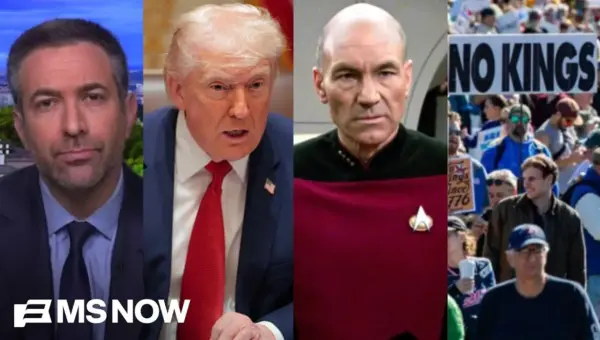
Mass Protests Erupt as Trump Approval Plummets
Thousands of 'No Kings' rallies are scheduled nationwide, protesting perceived autocratic actions by Donald Trump. As Trump's approval ratings fall, concerns grow over his challenges to democratic norms and the rule of law.

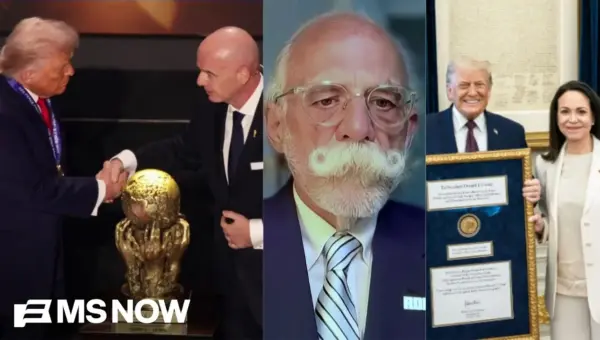
Trump’s Fake Awards Mocked as ‘Puppet’ Tactics
Former White House attorney Ty Cobb criticized Donald Trump's acceptance of fake awards, calling him a 'puppet' manipulated by flattery. This comes amid a pattern of fabricated honors, raising concerns about compromised judgment in foreign policy and potential abuses of power within government agencies. The situation highlights a broader debate on leadership integrity and the influence of ego in governance.