Trump’s Fury Erupts as Iran Vows Retaliation Amidst Escalating Tensions
Former President Donald Trump has reportedly reacted with intense anger following U.S. and Israeli strikes on Iranian steel plants. Iran has vowed massive retaliation, raising concerns about regional stability and potential escalation. This event draws on a long history of U.S.-Iran tensions.

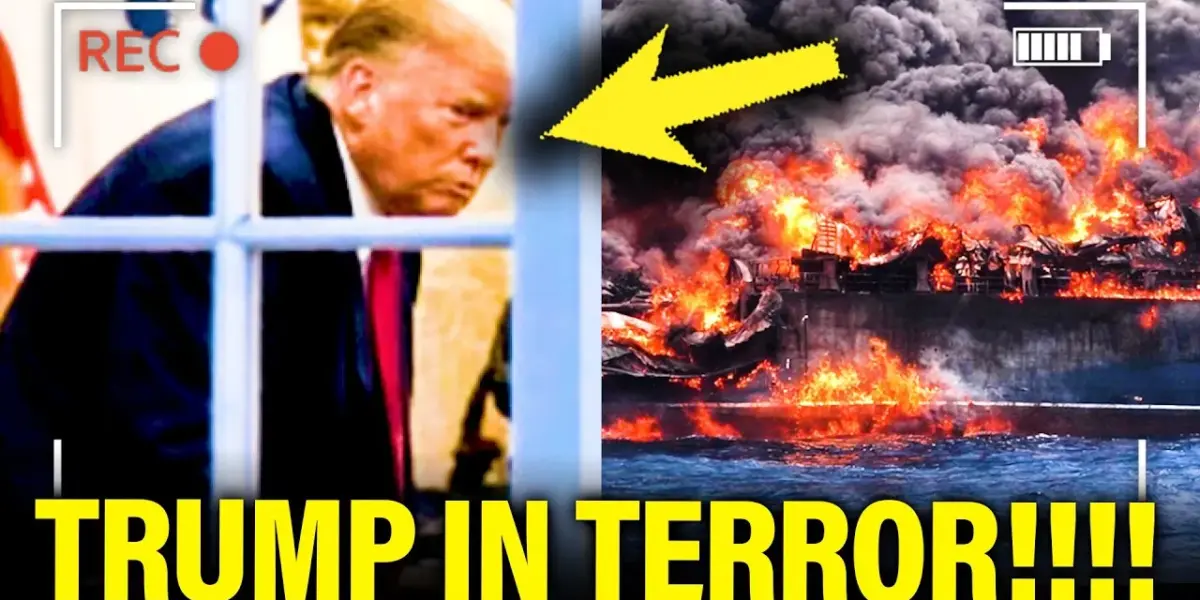
Trump’s Fury Erupts as Iran Vows Retaliation Amidst Escalating Tensions
The political world watched with keen interest as former President Donald Trump reacted strongly to escalating tensions between the United States and Iran. This reaction came after reported strikes by the U.S. and Israel on Iran’s major steel facilities, prompting Iran to threaten massive retaliation.
The Spark of Conflict
The situation began to heat up following reports of U.S. and Israeli actions against key Iranian industrial sites. Specifically, Iran’s largest steel plants were targeted. These actions, aimed at disrupting Iran’s industrial capacity, were met with swift and severe condemnation from Tehran.
Iran’s response was not just diplomatic; it included explicit threats of significant military retaliation. This declaration of intent to strike back raised concerns about a potential wider conflict in an already volatile region.
Trump’s Strong Reaction
Donald Trump, a prominent figure in American politics, expressed visible anger and frustration over the unfolding events. His strong reaction suggests a deep concern about the implications of these actions and Iran’s vowed response. While the exact details of his public statements are not provided in the source material, the assertion is that he “lost it,” indicating a high level of agitation.
This kind of forceful reaction from a former president often carries weight, influencing public opinion and political discourse. It highlights the deeply polarized views that often surround foreign policy decisions, especially those involving countries like Iran.
Historical Context and Regional Dynamics
The current tensions are part of a long and complex history between the United States, Iran, and other regional players. For decades, relations have been strained, marked by diplomatic disputes, economic sanctions, and periods of heightened military confrontation. Key moments include the 1979 Iranian Revolution, the Iran hostage crisis, and more recent nuclear program disputes.
The targeting of industrial facilities like steel plants can be seen as a tactic to weaken an adversary’s economic and military potential. However, such actions often carry the risk of provoking a strong counter-response, as seen in Iran’s threats.
The involvement of Israel in these strikes adds another layer of complexity. Israel views Iran as a significant security threat, and its actions are often aimed at curbing Iran’s influence and military capabilities in the region. This creates a dynamic where actions by one party can trigger responses from multiple others, potentially drawing in larger powers like the United States.
Why This Matters
The potential for massive strikes and retaliation from Iran is a serious concern for global stability. Such actions could disrupt oil supplies, threaten shipping lanes, and lead to further military escalation. The involvement of the United States, even indirectly, means that American interests and security could be directly impacted.
Furthermore, the reaction of key political figures like Donald Trump shapes the domestic political debate surrounding foreign policy. His strong stance could influence how the current administration’s actions are perceived and potentially impact future policy decisions. The interplay between domestic politics and international conflict is a critical aspect of modern geopolitics.
Implications and Future Outlook
The immediate implication is the heightened risk of direct or indirect conflict. If Iran carries out its threats, the United States and its allies may be forced to respond, leading to a cycle of escalation. This could have devastating consequences for the region and the global economy.
Looking ahead, the situation underscores the challenges of de-escalation in a region rife with long-standing grievances and competing interests. Diplomatic channels, though often strained, remain crucial for preventing a wider war. The effectiveness of sanctions, the role of international organizations, and the strategic calculations of all involved parties will continue to shape the trajectory of these events.
The events also highlight the ongoing debate about the use of military force as a tool of foreign policy. While strikes might achieve short-term objectives, they often come with significant long-term risks and unintended consequences. Finding a path toward de-escalation and lasting peace remains a significant challenge for all parties involved.
Source: Trump LOSES IT as Iran THREATENS MASSIVE STRIKES in WAR!! (YouTube)

Related Articles

UK Must “Rearm Rapidly” as Old World Order Dies
A new report from UK MPs and peers declares the old liberal international order dead, warning that Britain can no longer rely on the US for defense. The committee urges the UK to rapidly rebuild its military power and forge new alliances with European partners and middle powers to navigate an increasingly dangerous world.

Israel Strikes Iran Nuclear Sites Amid Stalled Talks
Israel has struck key Iranian nuclear facilities, including uranium enrichment and heavy water plants, amid stalled international negotiations. The U.S. is pushing for a deal to curb Iran's nuclear ambitions while also seeking allied support to secure the vital Strait of Hormuz.


Trump’s Iran War Fails to Win Public Support
New polls reveal a significant drop in public approval for Donald Trump's handling of Iran, with 64% disapproval. This low starting point contrasts sharply with past conflicts and suggests potential challenges ahead for the administration.