Trump’s Fury: Allies Shunned as Personal Grievances Dictate Foreign Policy
Former President Trump's reported order to sever ties with Spain over perceived slights highlights a dangerous trend of personal grievances dictating foreign policy. This analysis explores the implications for U.S. alliances, economic interests, and global stability.

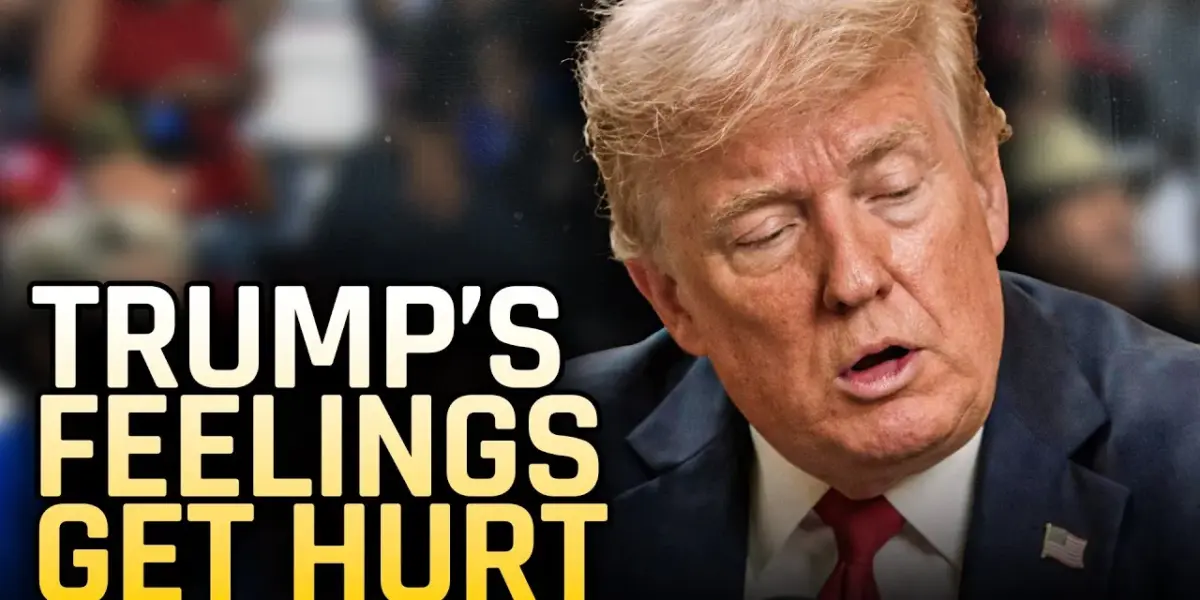
Trump’s Fury: Allies Shunned as Personal Grievances Dictate Foreign Policy
In a startling display of how personal pique can override national interest, former President Donald Trump has reportedly ordered a severing of ties with Spain, a NATO ally, over perceived slights related to international military operations and financial contributions. This dramatic move, fueled by what appears to be hurt feelings rather than strategic calculation, raises profound questions about the stability of U.S. foreign relations and the unpredictable nature of American leadership on the global stage.
The Spark: Disagreement Over Iran and NATO Contributions
The immediate catalyst for Trump’s ire seems to stem from Spain’s reluctance to fully support U.S. military actions in Iran and its failure to meet a requested 5% contribution to NATO. While Germany and other European nations are lauded for their cooperation, Spain’s stance has drawn sharp condemnation. The transcript highlights Spain’s call for the European Union to refrain from supporting the war in Iran, framing it as a message that the U.S. “kicked the hornet’s nest” and is now facing the predictable consequences. This perspective suggests that Iran’s actions are a reaction to prior U.S. aggression, a viewpoint that contrasts sharply with the administration’s narrative.
Trump’s Retaliation: Threats and Trade Wars
Trump’s response was swift and severe. He is quoted as saying, “Spain has been terrible. In fact, I told Scott Bassent to cut off all dealings with Spain.” The former President’s rhetoric escalated beyond mere diplomatic disapproval. He reportedly declared that even if Spain denies access to its bases, the U.S. could simply “fly in and use it” because “nobody’s going to tell us not to use it.” This assertion of unilateral dominion over sovereign allied territory is a deeply concerning and, according to the transcript, potentially impeachable statement, betraying a “drunk with power” mentality that disregards international norms and alliances.
Furthermore, the threat to “cut off all trade with Spain” presents a potentially self-defeating economic strategy. The analysis suggests that such a move would disproportionately harm American businesses, as the U.S. currently holds a trade surplus with Spain. This means the U.S. exports more to Spain than it imports, implying that severing trade ties would lead to greater job losses and business failures within the United States. Spanish consumers would likely simply source goods from other nations, leaving American producers to bear the brunt of the economic fallout.
Historical Context: The Fragility of Alliances
This episode echoes historical patterns of transactional foreign policy, where alliances are often viewed through the lens of immediate gain and personal loyalty rather than shared values and long-term strategic interests. The post-World War II era saw the establishment of robust alliances like NATO, built on mutual defense and collective security. However, the transcript suggests a potential erosion of this foundation, with decisions being driven by subjective interpretations of loyalty and perceived disrespect.
The reference to intelligence personnel being “fired” by “Cash Patel” also hints at a broader pattern of disruption within national security structures, potentially undermining the very intelligence gathering necessary for informed foreign policy decisions. Without robust intelligence, decisions are more likely to be based on emotion and personal anecdote rather than objective analysis.
Balanced Viewpoints: The Rationale Behind NATO Contributions
While the transcript heavily criticizes Trump’s approach, it’s worth noting the underlying issue of NATO burden-sharing. For years, the U.S. has urged its NATO allies to increase their defense spending to meet the agreed-upon 2% of GDP target. Trump’s frustration, while expressed through intemperate language and counterproductive threats, touches upon a legitimate debate within the alliance about equitable contributions to collective security. However, the method of addressing this concern – through punitive measures and threats against allies – is where the significant controversy lies.
Why This Matters: The Peril of Personal Diplomacy
This situation underscores a critical danger in foreign policy: the personalization of international relations. When a leader’s ego and personal grievances become the primary drivers of diplomatic action, the consequences can be far-reaching and detrimental. Alliances are not merely transactional tools; they are complex ecosystems built on trust, shared objectives, and consistent engagement. Undermining these relationships through impulsive reactions can:
- Erode Trust: Allies may become hesitant to rely on U.S. commitments if they fear arbitrary retribution.
- Create Power Vacuums: A weakened U.S. presence or unreliable partnerships can embolden adversaries.
- Harm U.S. Economic Interests: As seen with the trade threat, self-inflicted economic wounds can occur.
- Damage Global Stability: A fractured alliance system makes coordinated responses to international crises less likely.
Implications, Trends, and Future Outlook
The trend highlighted is the potential for foreign policy to become increasingly volatile and unpredictable, driven by the personal inclinations of leaders rather than established diplomatic protocols. If this approach becomes normalized, it could lead to a significant reconfiguration of global alliances, with nations seeking more stable and reliable partners. The future outlook suggests a continued tension between the traditional, multilateral approach to foreign policy and a more nationalistic, transactional style. The effectiveness and sustainability of the latter remain highly questionable, particularly when it alienates established allies and potentially harms domestic economic interests.
The transcript’s assertion that Trump is “dumb” and “believed” simplistic advice about trade further emphasizes the concern that foreign policy decisions could be based on flawed understanding rather than strategic acumen. This raises the specter of a return to an era where diplomatic bluster and personal vendettas dictate international engagement, with profound implications for global peace and prosperity.
“The idea that we can simply disregard the sovereignty of allies or engage in economic self-harm based on personal offense is a dangerous departure from responsible statecraft. Such actions not only alienate partners but also undermine the very foundations of American leadership and security.”
Ultimately, the situation with Spain serves as a stark warning. The strength of American foreign policy has historically derived not just from its military and economic might, but from the robustness of its alliances and the predictability of its engagement. When those alliances are threatened by the personal whims of a leader, the entire international order is put at risk.
Source: Trump Decides To Alienate Our Allies Because His Feelings Are Hurt (YouTube)

Related Articles

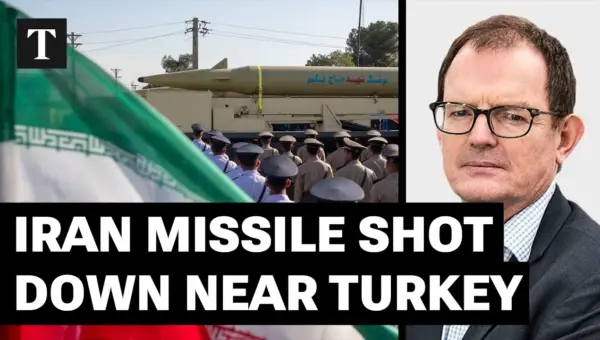
Iran Missile Near Turkey Raises NATO Alarm, Lebanon Conflict Escalates
NATO air defenses intercepted an Iranian ballistic missile near Turkish airspace, raising regional tensions. Meanwhile, conflict escalates in Lebanon, displacing tens of thousands and seeing direct clashes between Hezbollah and Israeli forces.
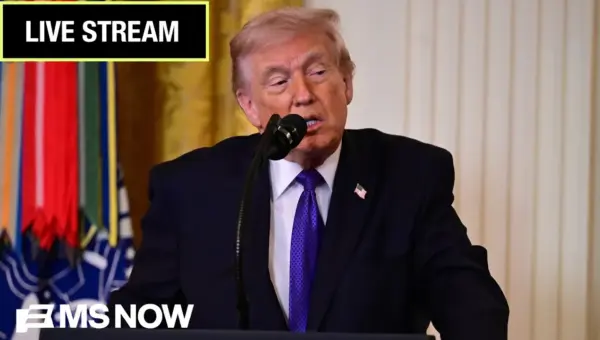
Trump Convenes Big Tech on Energy Costs Before Midterms
President Trump met with leaders from Google, Amazon, Meta, and other tech giants to address rising electricity costs driven by energy-intensive data centers. The meeting, held weeks before the midterm elections, aimed to formalize a pledge to protect consumers from increased energy expenses.

Trump’s Iran Strikes: A Fragile Ego Fuels Foreign Policy
A Reuters report suggests Donald Trump's decision to attack Iran was driven by a desire to appear strong, influenced by ally pressure and personal ego. This analysis explores the implications of ego-driven foreign policy.