Trump’s Foreign Policy Stance Under Scrutiny Amidst Campaign Promises
An analysis of Donald Trump's political strategy suggests that potential foreign entanglements, like an attack on Iran, could alienate his MAGA base. The discussion highlights a perceived conflict between "America First" promises and Trump's foreign policy actions, alongside arguments that he is the "sole impediment" to delivering on domestic affordability pledges.

Trump’s Foreign Policy Under Fire Amidst Campaign Promises
In a recent discussion analyzing former President Donald Trump’s political trajectory and campaign rhetoric, a significant point of contention emerged regarding his approach to foreign policy and its potential conflict with his “America First” platform. The analysis suggests that a large-scale military engagement, particularly an attack on Iran, could significantly undermine Trump’s appeal to his core MAGA voter base, who largely expected a withdrawal from foreign entanglements.
The argument posits that the “America First” agenda was built on the premise of avoiding costly and protracted foreign wars. Therefore, any significant military action, especially one as unpredictable as a conflict with Iran, could be seen as a betrayal of these core promises. The transcript highlights a perceived contradiction: Trump, who previously claimed to have decimated Iran’s nuclear capabilities, might later engage in saber-rattling that leads to military confrontation. This potential pivot raises questions about the consistency and reliability of his foreign policy objectives and their alignment with his campaign’s foundational principles.
Republican Support and “America First” Rhetoric
The discussion raises doubts about whether such foreign policy actions would serve as a “red line” for Republican voters or even elected officials. The transcript suggests that many Republicans might continue to support Trump, even if his actions appear to contradict the “America First” banner. The example of Trump’s intervention in Venezuela to secure oil, described as a “George W. Bush redux,” is cited as a past instance where such actions did not alienate his base. Similarly, “saber rattling against Panama and Colombia and any other countries” is presented as a pattern of behavior that has not deterred Republican support.
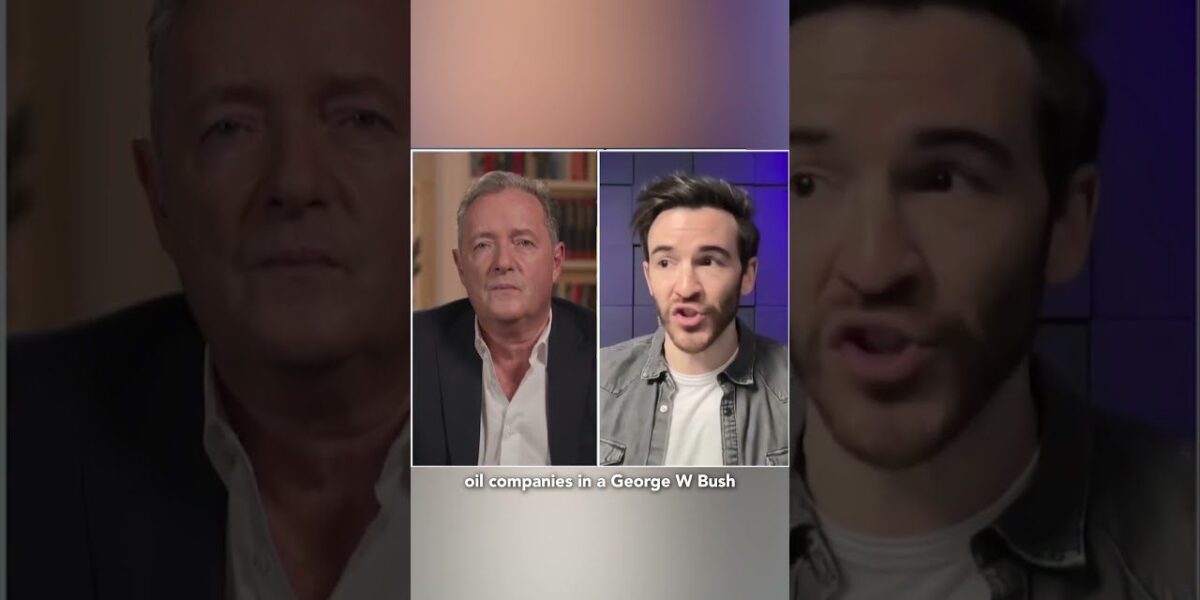
“The fact that he went into Venezuela for that oil so that he could heap oil onto American oil companies in a George W. Bush redux that didn’t push these Republicans away. Saber rattling against Panama and Colombia and any other countries.”
This suggests a complex dynamic where Trump’s base may be willing to overlook perceived inconsistencies in foreign policy, or perhaps view these actions through a different lens that aligns with their broader support for the former president. The transcript implies that Trump may rely on such “distractions” to divert attention from unfulfilled domestic promises.
Unfulfilled Promises and Economic Affordability
A central theme of the analysis is Trump’s alleged failure to deliver on his promise of a more affordable America. The transcript argues that Trump himself is the “sole impediment” to achieving this goal. Several policy choices are highlighted as counterproductive to affordability:
- Engaging in a trade war, which is characterized as a “consumption tax on Americans.”
- Proposing cuts to Medicaid and ACA subsidies, which would make healthcare less affordable.
- Advocating for cuts to food assistance programs, impacting food affordability.
According to the analysis, these policy decisions directly contradict the promise of making America more affordable for its citizens. The transcript concludes that Trump’s own actions and policy preferences stand in the way of him fulfilling his campaign pledges.
The Role of Distractions in Political Strategy
The discussion posits that Trump’s foreign policy maneuvers, including potential military engagements or aggressive rhetoric, serve as strategic distractions. The phrase “wagging the dog” is used to describe this tactic, suggesting a deliberate effort to shift public focus away from domestic issues and unfulfilled promises. However, the analysis expresses skepticism about the long-term effectiveness of these distractions.
“The reality is that all of the foreign wars in the world, all of the wagging the wagging the dog in the world is not going to um pull the wool over Americans eyes when they were told that they were voting for something and instead got something entirely friend.”
The core argument is that voters, particularly those who felt they were promised one thing and received another, will eventually see through these diversions. The discrepancy between the promised “affordable America” and the perceived reality of Trump’s policies is presented as a critical vulnerability that external distractions may not be able to permanently mask. The analysis suggests that the fundamental issue remains Trump’s own actions and their impact on the affordability and well-being of American citizens.
Looking Ahead: Voter Perception and Future Challenges
As the political landscape evolves, the effectiveness of Trump’s “distraction” tactics will be a key factor to monitor. The analysis suggests that voters are increasingly scrutinizing the gap between campaign promises and delivered results, especially concerning economic issues. The potential for foreign policy actions to either galvanize or alienate his base remains a critical question. Whether Trump can successfully leverage “America First” rhetoric while potentially engaging in foreign conflicts, and whether these actions will be seen as fulfilling or betraying his core promises, will likely shape his political future and the perceptions of his supporters.
Source: Trump's big secret gets EXPOSED (YouTube)

Related Articles
Trump Open to Iran Talks After Attacks, Shifts on Regime Change
President Trump has agreed to negotiate with Iran's new leadership following recent U.S. and Israeli attacks, signaling a potential shift from his regime change objective. The move has drawn scrutiny from former officials who question the strategic coherence of U.S. policy.

MAGA’s Playbook: How Democrats Can Unite and Conquer
Charles Duhigg analyzes the MAGA movement's organizational prowess, suggesting Democrats can learn from its 'big tent' approach and volunteer empowerment strategies. The piece contrasts mobilizing with organizing and explores the crucial balance between ideological purity and coalition-building for electoral success.
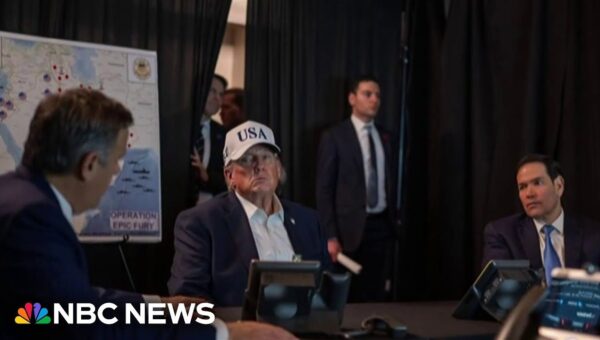
Trump: Iran Strikes Ahead of Schedule, Expects ‘Great Deal for World’
Three U.S. service members have been killed amid escalating conflict with Iran, President Trump confirmed. He stated that strikes are ahead of schedule, with senior Iranian leaders killed, and expressed optimism for a "great deal for the world" despite ongoing talks with Iranian officials.