Trump’s Foreign Policy Gambit Sparks Global Instability

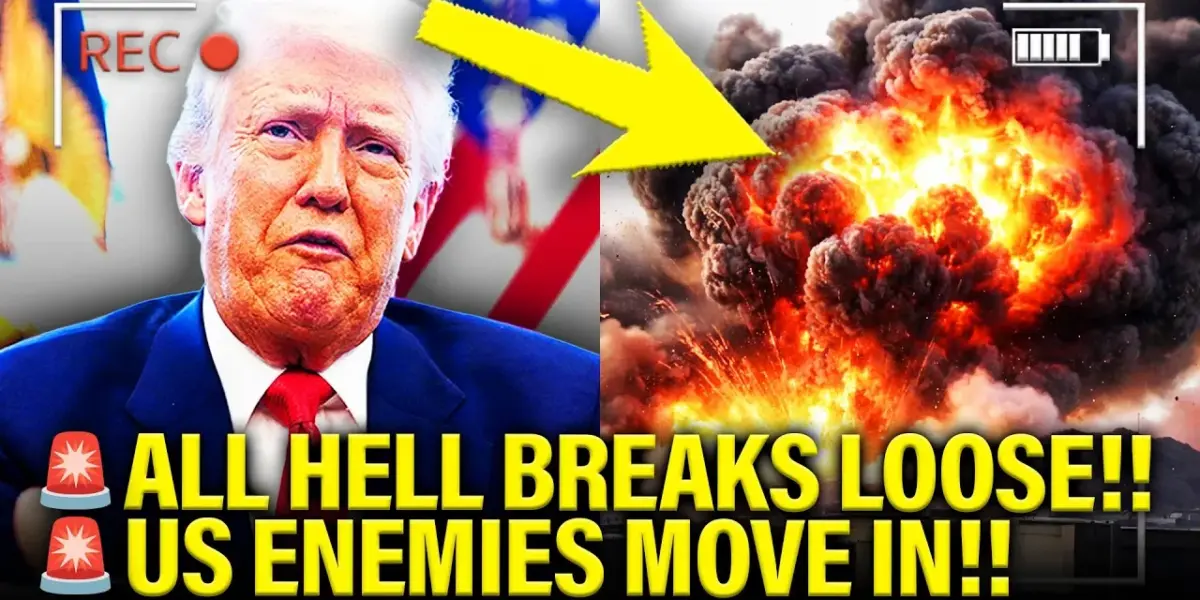
Global Tensions Escalate Amidst Shifting Alliances and Sanctions Policy
Recent geopolitical developments suggest a world grappling with escalating tensions, particularly in the Middle East and Eastern Europe, with significant implications for international relations and global economic stability. The current climate, characterized by strategic maneuvering and a re-evaluation of sanctions, appears to be leaving allies frustrated and adversaries emboldened, painting a complex picture of Donald Trump’s foreign policy approach.
Iran’s Strategic Ascendancy and Shifting Regional Dynamics
A central point of concern is the escalating situation involving Iran. Reports indicate Iran is nearing a significant deal to acquire supersonic anti-ship missiles from China, a development with potentially far-reaching consequences for regional security. These missiles, capable of evading ship defenses with their speed and low-altitude flight, could significantly alter the naval balance of power. The transcript points to a perceived lack of foresight, suggesting that joint naval operations between China, Russia, and Iran off Iran’s coast should have signaled the impending escalation and Iran’s growing capabilities.
Furthermore, Iran’s oil exports through the Strait of Hormuz have reportedly increased since the onset of regional conflicts, reaching approximately 2.1 million barrels per day. This surge, coupled with China’s increased purchases of Iranian oil, highlights Iran’s resilience and its ability to leverage international demand, particularly from China, to its economic advantage. The situation is further complicated by Iran’s actions in the Strait of Hormuz, where it has reportedly attacked vessels that do not have its explicit permission to pass, leading to attacks on at least 16 vessels since late February.
The regional response from Gulf Arab nations appears to be one of deep frustration. Many in these circles reportedly feel that the Trump administration, by acting hastily and without adequate consultation, dragged the region into a conflict heavily influenced by Israel, without fully considering the political and economic ramifications for its allies. This discontent has reportedly led some Arab nations to explore security guarantees with Iran, seeking a regional entente in exchange for assurances against Iranian aggression. Pakistan’s Prime Minister, Shabz Sharif, is reportedly playing a mediating role, engaging with both Saudi Arabia and Iran to de-escalate tensions and pave the way for dialogue.
Russia’s Sanctions Relief and its Global Ramifications
Simultaneously, a significant shift in sanctions policy concerning Russia has drawn considerable attention and criticism. The Trump administration has issued a new license allowing countries to purchase Russian crude oil that was loaded onto ships before March 12th. This move, described as a substantial financial lifeline for Russia, is estimated to be worth billions of dollars. The authorization effectively permits sanctioned Russian oil shipments to proceed to the global market, a decision that has been met with strong disapproval from Ukraine and some European allies.
Ukrainian President Volodymyr Zelensky has voiced strong opposition, arguing that lifting sanctions on Russia legitimizes its aggression and effectively forgives its actions in Ukraine. He considers this move unjust, particularly as his country continues to be the victim of Russian invasion. The sentiment is echoed by some European officials, with one EU Vice President reportedly labeling the Trump administration’s tactics as hostile and aimed at dividing Europe, mirroring tactics employed by Russia.
The decision to ease sanctions on Russian oil is seen by some as a significant win for Russian President Putin, particularly as the Russian economy faces challenges. The Treasury Department’s license, which allows for the delivery and offloading of this oil until April 11th, is viewed as a strategic benefit for Russia, potentially generating billions in revenue.
European Concerns and Transatlantic Friction
Beyond the immediate implications for Russia and Iran, there are growing concerns within Europe regarding the U.S. foreign policy stance. Some EU officials reportedly view the U.S. under the Trump administration as a potentially hostile actor seeking to divide the European Union. This perception is reportedly informed by U.S. national security and defense strategies that have called for cultivating resistance to the EU and calibrating military support in ways that could undermine European cohesion.
Adding to this friction, the Trump administration has reportedly launched trade investigations into Europe, with the potential for further tariffs. There are also concerns about U.S. support for figures like Hungarian Prime Minister Viktor Orbán, who is seen by some as aligned with Russian interests, and the potential for geopolitical instability, particularly in the lead-up to the Hungarian election.
Depleted Munitions and Rising Defense Costs
A critical, yet often overlooked, consequence of the ongoing global conflicts is the rapid depletion of U.S. military stockpiles. The U.S. has reportedly consumed years’ worth of munitions, including advanced long-range missiles. This rapid drawdown has raised grave concerns within the military about its ability to replenish these vital supplies. The Pentagon is reportedly requesting a substantial supplemental defense spending bill, which would place a significant financial burden on American taxpayers, potentially diverting funds from domestic priorities like healthcare and housing.
Why This Matters
The confluence of these events—an emboldened Iran, a Russia seemingly benefiting from sanctions relief, and growing transatlantic friction—paints a picture of a world grappling with a complex and potentially volatile geopolitical landscape. The perceived weakening of diplomatic and strategic coherence from a key global power has created openings for adversaries and anxieties among allies. The decisions regarding sanctions relief, the response to regional conflicts, and the management of alliances are not merely abstract policy choices; they have tangible consequences for global security, economic stability, and the future of international cooperation.
Implications, Trends, and Future Outlook
The current trajectory suggests a potential for further fragmentation of global alliances and a rise in regional power plays. The increased reliance on economic statecraft, particularly through sanctions and their potential removal, has become a central tool, but its effectiveness and unintended consequences are increasingly debated. The situation highlights a trend towards a multipolar world where regional powers, often supported by major global players, assert their influence more assertively.
The future outlook is uncertain. A continued emphasis on transactional diplomacy, coupled with a perceived disregard for established alliances, could lead to a more unstable international order. The potential for miscalculation in volatile regions like the Middle East remains high, with significant risks of escalation. The economic strain of increased defense spending, particularly in the U.S., could also have domestic repercussions, influencing public opinion and political priorities.
Historical Context and Background
The current geopolitical climate can be viewed against the backdrop of shifting global power dynamics that have been evolving for decades. The post-Cold War era saw a period of American unipolarity, but the rise of new economic and military powers, along with the complexities of globalized economies and interconnected security threats, has led to a more contested international environment. The use of sanctions as a foreign policy tool has a long history, often employed to pressure adversaries, but their efficacy is frequently debated, especially when faced with determined opposition or alternative economic partnerships, such as those between Iran and China, or Russia and various trading partners.
The dynamics in the Middle East are particularly complex, shaped by historical rivalries, the strategic importance of energy resources, and the involvement of external powers. The Strait of Hormuz, a critical chokepoint for global oil trade, has long been a focal point of regional security concerns. Similarly, the ongoing conflict in Ukraine has re-centered European security concerns and highlighted the persistent challenges posed by Russian foreign policy.
The narrative presented suggests a critical assessment of a foreign policy that, in the view of its critics, prioritizes short-term gains or transactional relationships over long-term strategic stability and alliance cohesion. The allegations of aiding adversaries, undermining allies, and creating financial windfalls for rivals form a stark indictment of the current approach, pointing towards a potentially perilous path for global affairs.
Source: All HELL BREAKS LOOSE as Trump FREEZES in War…ENEMIES MOVE IN!! (YouTube)

Related Articles

Iran Escalates, US Sends Third Carrier Amidst Mideast Turmoil
Iran has launched a major ballistic missile and cluster munition attack on Israel, while also striking Bahrain and the UAE. The US is responding by increasing its bombing campaign and deploying a third aircraft carrier to the Middle East. The Houthi group has also joined the conflict, firing missiles at Israel.

GOP Speaker’s Tantrum Exposes Party’s Dysfunction
Speaker Mike Johnson's recent public display of frustration and blame-shifting highlights a deep dysfunction within the Republican party. Following Donald Trump's directive, Johnson blocked a bipartisan funding bill, leading to a government shutdown. This action, coupled with misleading statements about Democrats, exposes a party struggling with competence and prioritizing political loyalty over governing.

US Cardinal’s Papal Upset Redraws Vatican Influence
Pope Francis's election defied expectations, including his own, as an American cardinal believed an "American" Pope was unthinkable. The swift conclave surprised many, highlighting the unpredictable nature of papal selections and signaling a potential shift in the Church's global direction.