Trump’s Firing Spree: Is Tulsi Gabbard Next?
Reports suggest Director of National Intelligence Tulsi Gabbard may be the next high-profile official fired by Donald Trump. This potential dismissal is reportedly linked to Gabbard's skepticism regarding U.S. policy on Iran and her stance against interventionism. The situation highlights a perceived pattern of Trump replacing women in his administration with men, sparking debate about his personnel decisions.

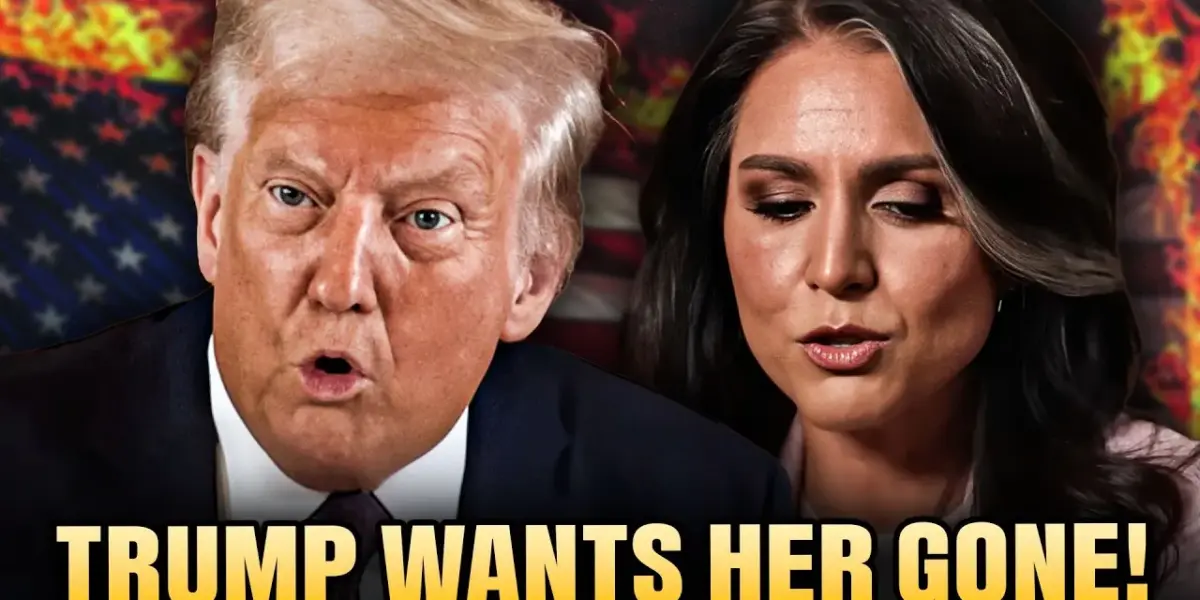
Trump’s Firing Spree: Is Tulsi Gabbard Next?
Donald Trump has recently made headlines for firing cabinet members. First, it was Pam Bondi, a high-profile figure in his administration. But reports suggest she might not be the only one facing the exit. Almost immediately after Bondi’s dismissal, news began to surface that Trump had another target in mind: Director of National Intelligence Tulsi Gabbard.
This potential move has sparked discussion about a pattern in Trump’s personnel decisions. The speaker in the video suggests that Trump often replaces women in his administration with men, who are perceived as less competent. This isn’t just about replacing one person; it’s about a perceived trend of dismissing women, even if they are performing adequately, while keeping men who may be equally or more incompetent.
The video points to specific examples. After Pam Bondi’s departure, Todd Blanch was reportedly put in place, and Lee Zeldon is also mentioned as a potential replacement, both described as less competent. Similarly, Christy Gnome was replaced by Mark Wayne Mullen, who the video notes is a plumber. The implication is that Tulsi Gabbard’s situation could follow a similar path. The speaker argues that Trump might place women in positions to appear inclusive, only to later remove them, while certain men like Robert F. Kennedy Jr., Dr. Oz, Pete Hegseth, and Marco Rubio remain in their roles.
Why Gabbard Might Be Targeted
The core reason cited for Tulsi Gabbard’s potential dismissal is her stance on foreign policy, particularly concerning Iran. Gabbard, who previously presented herself as progressive, has historically been against interventionism. This means she generally opposes U.S. involvement in foreign wars and acting as a global police force. Reports indicate she has expressed significant skepticism about a president’s authority to launch military actions in other countries without approval from Congress. This position reportedly clashes with Trump’s approach and his rhetoric regarding Iran.
The transcript suggests that Trump’s decision-making process involves seeking validation from his staff. If he asks whether he should fire someone, it’s often because he has already made up his mind. He reportedly looks for confirmation of his existing thoughts. Those who offer opposing views or fail to agree with him are then at risk of being fired themselves. This dynamic creates an environment where staff members might agree with Trump to protect their own positions, reinforcing his decisions.
A Pattern of Dismissal and Replacement
The speaker believes Gabbard is likely to be the next to go, based on this observed pattern. News of unhappiness with a particular individual is often followed by their swift departure from the administration. However, the video also considers an alternative outcome for Gabbard, drawing a parallel with Christy Gnome. Gnome, after leaving her previous role, reportedly received a different position within Trump’s orbit, albeit one with less authority. This suggests Gabbard might not be completely ousted but could be moved to a different role, perhaps one where she is visible but lacks significant power.
The speaker speculates that Trump might prefer to keep Gabbard in some capacity, possibly to avoid the appearance of simply firing all women and replacing them with less qualified men. The decision might depend on how strongly Gabbard has opposed Trump’s policies, especially regarding Iran. The idea of her working in a role akin to a fictional intelligence agency like S.H.I.E.L.D. is presented as a way for Trump to keep her associated with his administration without giving her substantial influence, and without looking like he’s just discarding women.
Historical Context: Trump and Personnel Changes
Donald Trump’s presidency was marked by frequent changes in staffing. His administration saw a high turnover rate, with many cabinet secretaries and advisors serving shorter tenures than is typical. This pattern of rapid dismissals and replacements was often attributed to Trump’s direct management style and his tendency to reward loyalty and agreement above all else. Critics often pointed to the instability this created within government agencies, while supporters might view it as a sign of decisive leadership.
The specific focus on gender in these dismissals, as raised in the video, adds another layer to the analysis. While Trump’s administration did include prominent women in high-level positions, the speaker’s observation highlights a potential trend of women being replaced, sometimes by men described as less experienced or qualified. This raises questions about the underlying motivations behind such personnel decisions and whether they are driven by policy disagreements, personal loyalty, or other factors.
Why This Matters
The potential dismissal of Tulsi Gabbard and the broader pattern of personnel changes within the Trump administration are significant for several reasons. Firstly, they reflect the dynamics of power and decision-making within a presidential administration. Understanding who is appointed, who is fired, and why offers insight into the leader’s priorities and management style. Secondly, the specific policy disagreements, such as those concerning Iran, highlight the real-world consequences of these decisions on national security and foreign policy. Divergent views on critical issues can lead to significant friction.
Furthermore, the discussion about replacing women with men, if proven to be a consistent pattern, raises important questions about diversity and representation in leadership roles. It prompts a broader conversation about how political appointments are made and the potential impact on public perception and institutional effectiveness. The stability, or lack thereof, within key government positions can affect how effectively agencies operate and how the public views the government’s competence.
Trends and Future Outlook
The trend of high staff turnover in the Trump administration was a notable feature of his time in office. If Trump were to return to power, it’s plausible that similar dynamics could play out. The emphasis on loyalty and agreement, coupled with a willingness to make swift personnel changes, could lead to a repeat of the frequent dismissals seen previously. The specific issue of foreign policy, particularly regarding potential conflicts, remains a critical area where presidential authority and congressional oversight are constantly debated.
The future role of individuals like Tulsi Gabbard, who hold strong policy views that may diverge from a particular administration’s direction, will continue to be shaped by these political realities. Whether they are sidelined, dismissed, or find new avenues to exert influence will depend on the complex interplay of political strategy, personal relationships, and the ever-shifting landscape of Washington D.C.
Source: Tulsi Gabbard In MAJOR TROUBLE, Career in DANGER (YouTube)

Related Articles
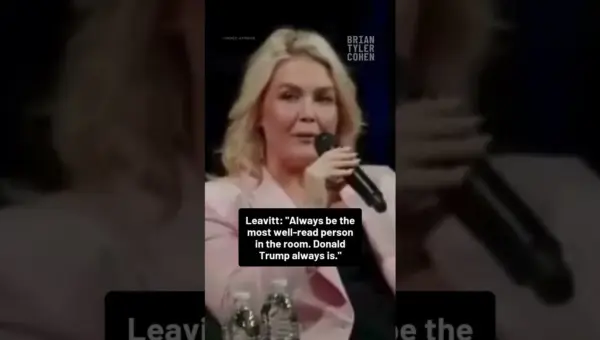
Trump’s Secret Weapon: Why Being Well-Read Dominates
Staying informed requires more than just reading headlines; it's about becoming the most well-read person in any room. This habit offers a significant advantage in understanding complex issues and making informed decisions. The advice emphasizes critical thinking and cross-referencing sources in our information-saturated world.

Trump’s Florida Project: Hotel or Grift on Stolen Land?
Donald Trump's planned presidential library in Florida, featuring a golden statue, is facing accusations of being a "grift." The project, slated for land reportedly taken from a community college, is now being described by Trump himself as likely a luxury hotel, raising questions about its true purpose and the ethics of the land deal.

Bondi’s Loyalty Fails: Trump Fires AG Over Failed Grudges
Pam Bondi's departure from the Trump administration was reportedly driven by a failure to prosecute political enemies, not the Epstein files. Her exit highlights the transactional nature of loyalty in Trump's orbit and raises questions about DOJ priorities and future accountability.