Trump’s Fabricated Deals Fuel Doubts About His Leadership
Donald Trump's recent claims about negotiating custom markers and success with Iran have been met with strong denials from the involved parties. These fabrications raise serious questions about his leadership and ability to provide accurate information, impacting national security and economic stability.

Trump’s Fabricated Deals Fuel Doubts About His Leadership
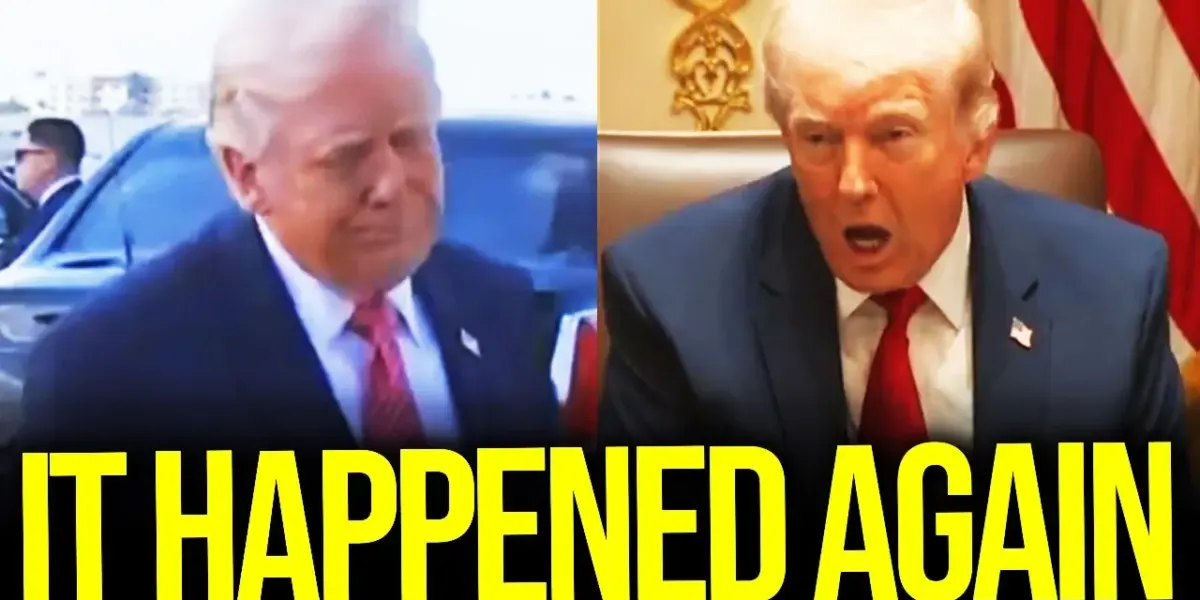
Recent events suggest a troubling pattern of Donald Trump making claims that don’t hold up. The Washington Post reported that during a cabinet meeting, Trump spent several minutes boasting about personally negotiating the price of custom markers down to $5. However, when the marker company was contacted, they stated this negotiation never happened and that the story was completely made up. This incident follows closely on the heels of Trump claiming success in negotiations with Iran, only for Iran to deny any ongoing talks. These instances raise serious questions about the accuracy of his public statements and the reliability of his leadership.
A Pattern of Exaggeration Emerges
This isn’t the first time Trump’s claims have been met with skepticism. Just days before the marker story, Trump publicly stated that negotiations with Iran were going so well that they had agreed on five key points. Iran quickly responded, stating that no such negotiations were taking place. The reality is likely that Trump is exaggerating any progress, or lack thereof, in these sensitive international discussions. This tendency to embellish or fabricate details seems to be a recurring theme.
The Iran Situation: More Than Meets the Eye?
Trump’s comments about Iran being “decimated” and ready to make a deal stand in contrast to the ongoing situation. He stated, “Iran is being decimated. They are talking. We are talking now. They want to make a deal.” This assertion is questionable, especially when considering the Strait of Hormuz, a crucial waterway. Despite claims of Iran being weakened, ships are still unable to pass through the Strait freely. The U.S. is not actively escorting vessels, suggesting Iran’s influence remains significant. While the U.S. may have taken out some of Iran’s older military assets, the regime itself continues to operate and employ its own tactics.
The Tangled Tale of the Sharpie Negotiation
The story about the personalized markers, supposedly costing $1,000 each and Trump negotiating them down to $5, is particularly bizarre. Trump described a scenario where he felt guilty handing out expensive pens to children and had issues with them not writing properly. He claimed to have spoken to the manufacturer, Sharpie maker Newell Brands, about customizing pens for him, even painting them black and adding his signature in gold. He presented this as a success story of his negotiation skills. However, a spokesperson for Newell Brands stated that the conversation Trump described never happened and that they had no information about it. This directly contradicts Trump’s account.
“We don’t have any information about the conversation described.” – Newell Brands Spokesperson
Contradictions and Distractions
Adding to the confusion, Trump’s language regarding a military operation, which he preferred to call a “military operation” instead of a “war,” also showed inconsistencies. He stated, “He says the Democrats call it a war. He won’t use the word war.” Yet, just 30 seconds later, he declared, “We’ve won this. This war has been won.” This flip-flopping, along with his tendency to blame Democrats or the “fake news” for criticism, suggests a pattern of deflection. Instead of addressing the core issues, he shifts blame and goes on tangents, like the Sharpie story.
Why This Matters
These fabrications and contradictions are not just minor gaffes; they have significant implications for national security and economic stability. Speaker of the House Mike Johnson recently blocked a bill to fund the Department of Homeland Security, including the TSA, while seeking to negotiate on border security. This action, occurring while Trump is reportedly asking for $200 billion to continue a war he claims is already won, creates a dangerous paradox. Funding for essential services like airport security is jeopardized, potentially making travel less safe. This is happening while Trump himself is described as walking away mid-sentence from reporters, appearing erratic.
Economic Concerns and Historical Context
The current economic climate also draws comparisons to the past. While Joe Biden’s economy wasn’t perfect, it was seen as steady, with inflation and unemployment decreasing and jobs returning. This stability was disrupted, according to the analysis, by Trump’s “tariff fantasy regime,” which led to rising prices, including healthcare costs. The current conflict has further exacerbated these economic pressures. The focus on gold tractors at a speech to farmers, rather than pressing economic issues, further highlights a perceived disconnect from the everyday concerns of citizens.
Future Outlook
The pattern of making unsubstantiated claims, especially regarding foreign policy and domestic security, is concerning. When a leader’s statements are consistently contradicted by facts or third parties, it erodes trust and can lead to poor decision-making. The inability to secure funding for critical infrastructure like the TSA, coupled with claims of winning wars that are still ongoing, paints a picture of instability. The public deserves clear, factual information, especially when national security and economic well-being are at stake. The trend suggests a continued reliance on deflection and exaggeration, making it harder to address real-world problems effectively.
Source: Trump RUNS OFF after 25th Amendment Bombshell (YouTube)

Related Articles


Trump Derails Bipartisan Deal, Halts Government Funding
Senate Republicans united on a funding bill for the Department of Homeland Security, but Donald Trump's opposition led House Speaker Mike Johnson to kill the deal. This political maneuver left TSA workers unpaid and highlighted the influence of personal directives over legislative progress.
Saudi Prince Pushes Trump Toward Iran War Escalation
Saudi Crown Prince Mohammed bin Salman is reportedly urging President Trump to escalate attacks on Iran, pushing for strikes on its energy infrastructure. This strategy would likely harm ordinary Iranians while benefiting Saudi economic interests and the U.S. military-industrial complex. The situation highlights concerns over foreign influence on U.S. foreign policy and the human cost of conflict.
GOP Senate Stuns House, Exposing Deep Party Rift
Republican infighting erupted as the Senate passed a bill funding only the TSA, sparking panic in the House. "MAGA Republicans" demand more for ICE and Border Patrol, highlighting deep party divisions and a standoff with the Senate, which has already adjourned.