Trump’s ‘Excursion’ Framing: A Rhetorical War on Perception?
Donald Trump's characterization of military actions as "short-term excursions" is a strategic use of language to manage public perception. This analysis explores the rhetorical power of euphemisms, historical precedents, and the potential pitfalls of downplaying conflict.

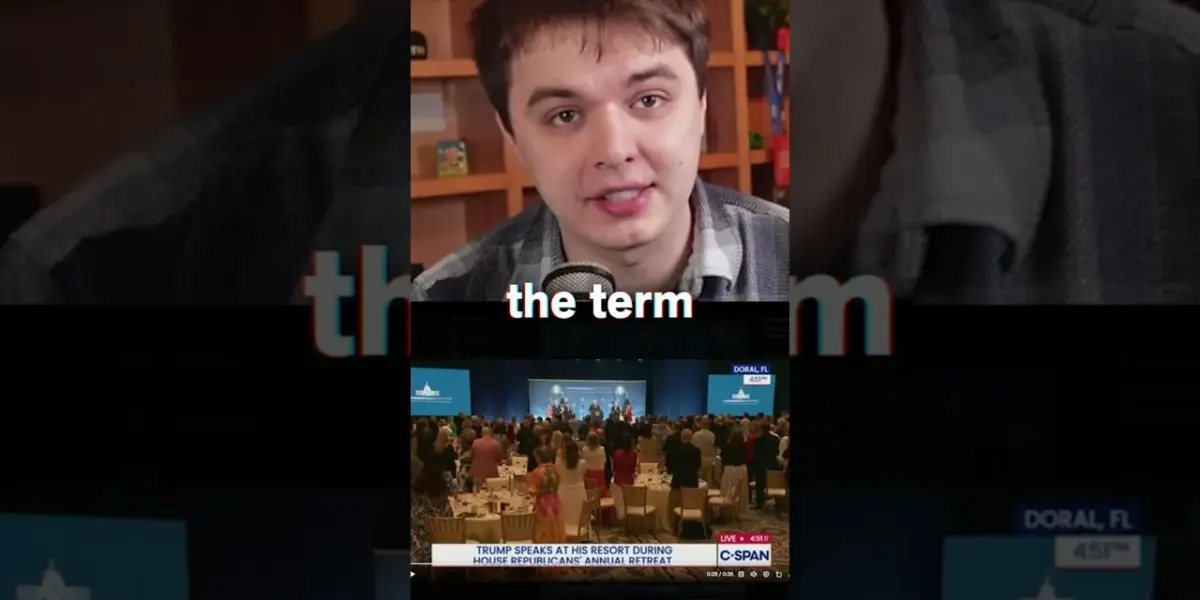
Trump’s ‘Excursion’ Framing: A Rhetorical War on Perception?
In the often-turbulent landscape of political rhetoric, words matter. Sometimes, they matter so much that they are wielded as weapons, designed not to describe reality but to reshape it. Former President Donald Trump’s recent characterization of a military action as a mere “excursion”—specifically, a “short-term excursion” to “get rid of some evil”—offers a compelling case study in this linguistic maneuvering. This choice of words, far from being a casual slip, appears to be a deliberate attempt to soften the perception of military engagement and downplay its potential gravity.
The Power of Euphemism
The transcript highlights a stark contrast in Trump’s pronouncements. On one hand, he suggests a willingness to engage in conflict, stating, “It’s the Department of War because we’re not afraid of going to war. We’re not afraid to stand up.” This assertion projects an image of strength and decisiveness. Yet, in the very next breath, he pivots to a far more innocuous description: “It’s just a little excursion. It’s just short term. Please don’t call it a war. We don’t want to call it a war.” This linguistic duality is not accidental; it’s a strategic deployment of euphemism.
The term “excursion” conjures images of a brief, perhaps even pleasant, trip. It implies a lack of commitment, a temporary detour, and a swift return. This is a far cry from the weighty implications of a “war,” which carries connotations of prolonged conflict, significant sacrifice, and profound national consequences. By rebranding a military operation as an “excursion,” Trump aims to sanitize the action, making it appear less threatening and therefore less objectionable to the public and international community.
Historical Echoes of Rebranding Conflict
This tactic is not without historical precedent. Throughout history, governments have often sought to frame military actions in ways that minimize public opposition and rally support. Terms like “police action” (used during the Korean War), “peacekeeping mission,” or “limited intervention” have all served to soften the edges of armed conflict. The Vietnam War, for instance, was initially presented as a necessary intervention to prevent the spread of communism, a narrative that evolved and faced increasing public scrutiny over time. More recently, terms like “enhanced interrogation techniques” replaced “torture” in the post-9/11 era, demonstrating a persistent human tendency to reframe unpleasant realities with more palatable language.
Trump’s use of “excursion” taps into this established tradition of rhetorical management of conflict. It suggests an understanding that public perception is a critical battleground, and that controlling the narrative can be as important as controlling the physical territory. The repeated emphasis on “short-term” further reinforces this idea, aiming to reassure audiences that the engagement will be brief, contained, and ultimately successful without prolonged entanglement.
The Military’s Role in the Narrative
The transcript also includes a rhetorical question: “How good is our military, right?” This is immediately followed by the affirmation, “Amazing. How good? Shortterm.” This exchange underscores how the perceived strength and efficiency of the military can be leveraged to bolster the “short-term excursion” narrative. The implication is that the military is so capable and effective that any necessary action will be swift and decisive, further justifying the “excursion” framing. It plays on national pride and confidence in military prowess, suggesting that such operations are merely demonstrations of this capability rather than precursors to deeper involvement.
Balanced Perspectives and Potential Pitfalls
From one perspective, this framing can be seen as a pragmatic approach to foreign policy communication. In a world where swift, decisive action might be necessary to counter immediate threats, presenting such actions as limited and temporary could prevent unnecessary escalation or public panic. It allows for a necessary response without triggering widespread fear of protracted war. The emphasis on “getting rid of some evil” also taps into a common justification for military intervention—the elimination of a perceived threat to peace or security.
However, this approach carries significant risks. The most immediate danger is that it can create a disconnect between the reality on the ground and the public narrative. A “short-term excursion” that encounters unexpected resistance, escalates into a larger conflict, or results in unforeseen casualties can quickly erode public trust. The very euphemisms used to soften the impact can become symbols of deception when reality diverges from the initial portrayal. Furthermore, consistently downplaying the gravity of military actions can desensitize the public to the human cost of war and diplomacy, making it easier to engage in future conflicts without adequate consideration.
Why This Matters
Understanding Trump’s “excursion” rhetoric is crucial because it highlights the increasing importance of narrative control in modern geopolitics. It demonstrates how political leaders can use language to shape public opinion, influence domestic and international perceptions, and potentially legitimize military actions. This is particularly relevant in an era of constant news cycles and social media dissemination, where a carefully crafted phrase can go viral and shape the global conversation.
The distinction between “war” and “excursion” is not merely semantic; it carries profound implications for accountability, resource allocation, and the long-term commitment of a nation. A declared war typically involves formal declarations, congressional authorization, and a more transparent mobilization of national resources. An “excursion,” however, can be more easily framed as a tactical maneuver, potentially bypassing some of these more rigorous oversight mechanisms.
Implications, Trends, and Future Outlook
The trend towards more nuanced and often euphemistic language in describing military actions is likely to continue. As global dynamics become more complex and public opinion more vocal, leaders will increasingly rely on rhetorical strategies to manage perceptions. This could lead to a future where the lines between diplomacy, intervention, and outright war become even more blurred, both in policy and in public understanding.
The challenge for citizens and analysts alike will be to pierce through the layers of carefully chosen language to understand the true nature and potential consequences of military engagements. The effectiveness of Trump’s “excursion” framing will ultimately be judged not by the words used, but by the outcomes on the ground and the long-term impact on regional stability and international relations. The ease with which such terms are accepted or rejected will also reveal much about the public’s appetite for military engagement and its capacity for critical assessment of political rhetoric.
In conclusion, Donald Trump’s use of the term “excursion” to describe military action is a potent example of how language can be employed to shape perception. While it may serve to momentarily soften the impact of potentially grave decisions, it also risks obscuring the true nature of conflict and eroding public trust when reality fails to align with the narrative. The ongoing debate around such framing is a reminder that in the realm of international affairs, words are not just descriptors; they are often the first line of engagement, or indeed, disengagement.
Source: Trump Claims Iran War Is Just An Excursion #politics #fyp #new (YouTube)

Related Articles

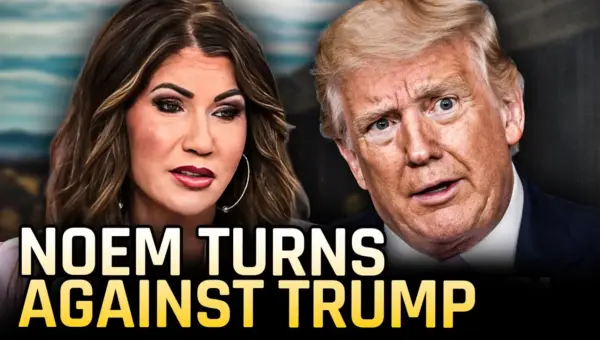
Kristi Noem’s Trump Feud: A MAGA Meltdown Exposed
Kristi Noem's alleged demotion from a Trump administration role has sparked a fierce internal battle. Leaks from her camp accuse Trump of lying and withholding support, while others within MAGA circles dismiss her claims as "laughable." This public feud exposes the volatile dynamics of loyalty and self-interest within the movement.
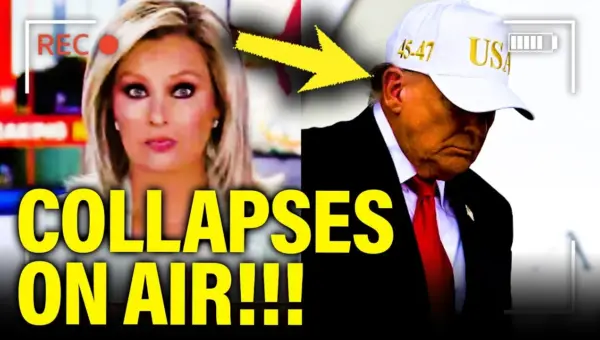
Fox News Flips: Allies Abandon Trump Amidst Iran War Fallout
As the conflict with Iran escalates, cracks appear in President Trump's support base, with Fox News facing accusations of altering coverage amidst rising gas prices and a credibility gap. The analysis explores the economic fallout, media accountability, and the administration's struggle to define and manage the ongoing hostilities.

Trump’s Iran Gambit: A Desperate Bid for Victory?
MeidasTouch hosts speculate on Donald Trump's potential strategy to declare victory in a spiraling Iran conflict, raising questions about accountability and the power of narrative control in foreign policy.