Trump’s Ex-President Claim Denied by All Four
Donald Trump claimed a former president confided in him about a past decision regarding Iran, but all four living ex-presidents have denied making such a statement. The situation highlights Trump's communication style and his campaign's use of current events for fundraising.

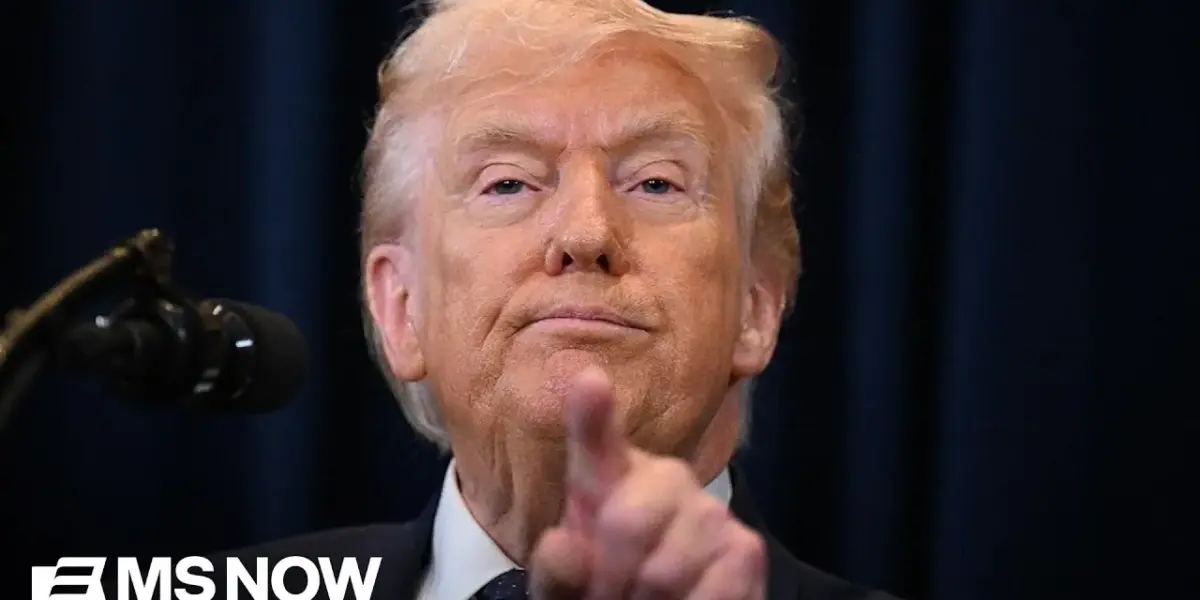
Trump Claims Ex-President Backed Iran Move, All Four Deny
Former President Donald Trump recently claimed that a past president told him they wished they had taken a specific action regarding Iran. However, all four living former U.S. presidents have denied making such a statement.
The Unverifiable Claim
During a recent event, Trump recounted a conversation with a former president he described as someone he liked. This unnamed president, according to Trump, expressed regret for not taking a certain action. Trump alluded to the possibility of this being George W. Bush or Bill Clinton, but did not name a specific individual.
“He said, ‘I wish I did it. I wish I did. But they didn’t do it,'” Trump stated, implying the former president was referring to an action concerning Iran.
However, when contacted by various news outlets, representatives for all four living former presidents – Jimmy Carter, Bill Clinton, George W. Bush, and Barack Obama – issued clear denials. They stated that none of their former principals made such a comment to Donald Trump.
Analysis of Trump’s Statements
David Drucker, a senior writer at The Dispatch and contributor to MSNBC, commented on the situation. He noted the difficulty in explaining some of Trump’s statements, suggesting that perhaps Trump was speaking metaphorically or even to himself.
“Look, I can’t explain why the president says half of what he says. The other half I can probably explain, but I mean, I don’t know. He’s both a former president and a current president. So maybe he was looking in the mirror when that conversation happened,” Drucker said.
Broader Context: War Support and Communication
The discussion also touched upon how political figures communicate about complex issues, particularly wars. Drucker contrasted Trump’s communication style with that of Israeli Prime Minister Benjamin Netanyahu.
Netanyahu, Drucker noted, speaks about the ongoing war with a sense of determination, acknowledging its difficulty but also stating clear goals. In contrast, Trump tends to present issues as easy and problem-free.
“The president likes to talk about everything as though it’s all easy and there’s nothing wrong and nothing to see here,” Drucker observed. “And obviously when you’re in a war, there is, but it doesn’t mean, by the way, again, people can disagree. A lot of people do, but it doesn’t mean just because it’s difficult or things don’t always go perfectly, that it’s the wrong thing to do.”
Drucker emphasized that voters often want the truth, even about difficult subjects. “Americans want to be told the truth about what’s going on. They don’t want to be lied to. And there is a difference between the way Donald Trump speaks about this war and the way Benjamin Netanyahu does.”
Resignations and Political Divisions
The conversation also brought up the resignation of Joe Kent and whether it signaled a broader trend of dissent within the Republican party regarding foreign policy. Drucker suggested that while there might be some lower-level staff who disagree, widespread resignations are unlikely.
He pointed out that most Republican voters and elected officials currently support the war. Many believe that diplomacy had failed after nearly 50 years, making the risk of inaction greater than the risk of intervention.
Drucker also mentioned figures like Elbridge Colby and Tulsi Gabbard, whose views on foreign policy differ. However, he doubted that many more prominent figures like Joe Kent would emerge, especially given Kent’s controversial past campaign statements.
Fundraising Tactics and Controversy
A significant portion of the discussion focused on how Donald Trump uses current events, including the war, to fuel his political fundraising. Drucker explained the critical role of small-dollar donors in modern presidential politics.
“The mother’s milk of the past decade or so, the real mother’s milk of presidential politics and big time politics has really become the small donor who gives in small amounts and you get, you know, untold numbers of these sorts of donations,” Drucker said. This has helped Trump build a substantial war chest of nearly half a billion dollars.
Email fundraising appeals related to the war began appearing shortly after the conflict started. These appeals often frame criticism of the war as weakness on national security or wrongly held beliefs.
“And, you know, that’s a little bit different and rubs a lot of people the wrong way,” Drucker stated. “So the money is going into his political operation, you know, which in theory will be used to fund Republican congressional campaigns or, you know, maybe their Republican nominee in 2028.”
While the funds are intended for the broader Republican political operation, the tactic of using a war for fundraising has drawn criticism, with some viewing it as an inappropriate way to profit from a serious international conflict, even if not for personal gain.
Looking Ahead
The ongoing use of current events for political fundraising by Trump’s campaign will likely continue to be a point of discussion. How voters respond to these tactics, especially in the context of complex international conflicts, remains a key element to watch in the upcoming political cycles.
Source: Trump says an ex-president backed Iran move; all 4 past presidents denied it (YouTube)

Related Articles
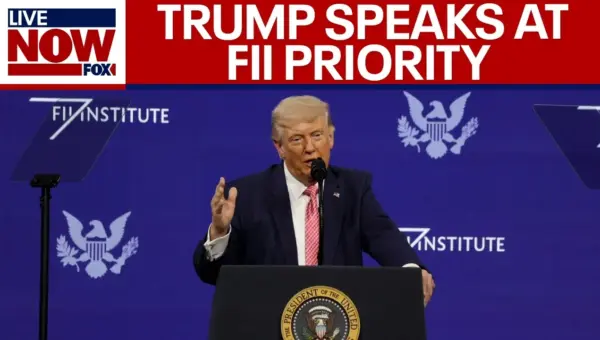
Trump Boasts Military Might, Slams Iran at Investment Summit
Former President Donald Trump spoke at the FII Priority Summit, detailing his administration's assertive stance against Iran and emphasizing the strength of the U.S. military. He claimed credit for dismantling Iran's military capabilities and preventing its nuclear ambitions. Trump also criticized NATO while praising Middle Eastern allies and touched on domestic issues like border security.
Pentagon Weighs 10,000 Troops for Iran Showdown
The Pentagon is reportedly weighing a significant troop increase of 10,000 soldiers to the Middle East, potentially escalating tensions with Iran. This move comes amid reports of U.S. precision strikes and interceptions of Iranian missiles by allies, raising concerns about regional stability and global oil supplies.

Tiger Woods DUI Arrest Sparks Political Ripples
Golf legend Tiger Woods was arrested for DUI in Florida after a rollover crash, showing signs of impairment not related to alcohol. President Trump commented on the incident, noting a personal connection through Woods' girlfriend.