Trump’s Erratic Statements Spark Troop Fear Amidst Iran Tensions
Concerns are mounting over Donald Trump's public statements and behavior amidst escalating tensions with Iran. Reports indicate low troop morale due to unclear objectives, while Trump's recent erratic remarks and apparent physical struggles have fueled widespread questions about his fitness for leadership during a critical geopolitical moment.

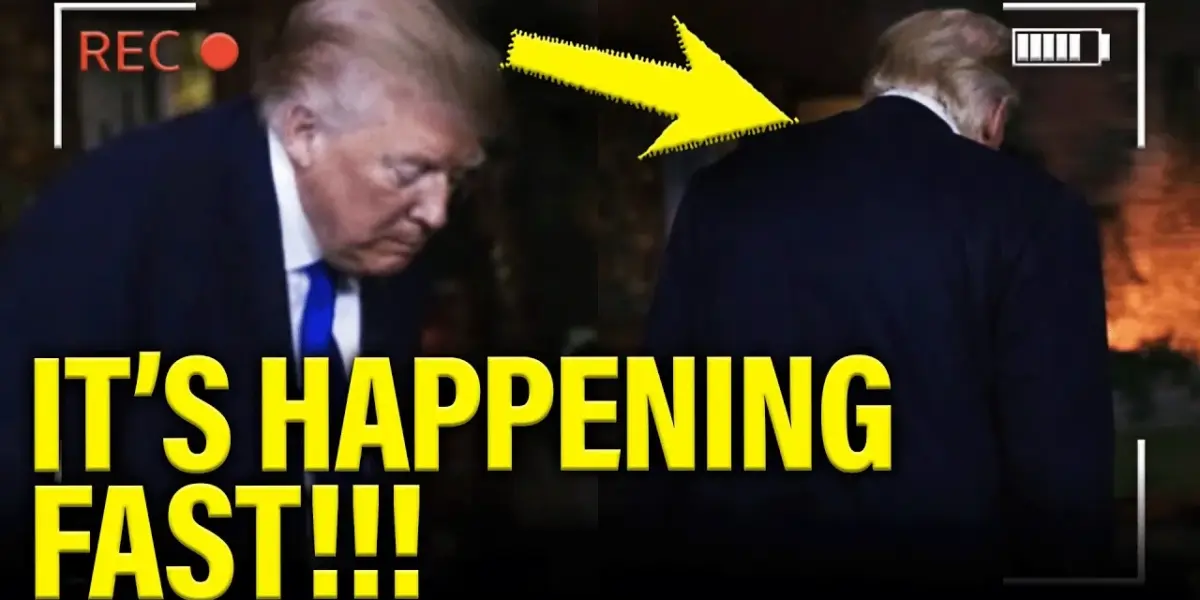
Trump’s Erratic Statements Spark Troop Fear Amidst Iran Tensions
Recent events suggest a troubling disconnect between Donald Trump’s public statements and the escalating global tensions, particularly concerning Iran. Reports indicate that U.S. troops are experiencing low morale and significant stress, partly due to unclear objectives and a perceived lack of coherent strategy. This anxiety is amplified by Trump’s increasingly unusual public appearances and remarks, which critics argue are out of step with the gravity of the geopolitical situation.
Troop Morale and Unclear Objectives
Sources, including reports from outlets like the Huffington Post, highlight deep concerns among U.S. troops being deployed to or operating near Iran. Soldiers are reportedly struggling with a lack of clarity regarding mission goals and strategic direction. This uncertainty, coupled with the perceived erratic nature of leadership pronouncements, contributes to significant stress and safety worries. The deployment of thousands of troops, including marine expeditionary units and airborne divisions, underscores the seriousness of the situation, making the troop’s anxieties all the more concerning.
Bizarre Public Appearances Raise Questions
During a recent event in Tennessee, Trump’s remarks and behavior have drawn significant attention and criticism. Eyewitness accounts and video footage depict him appearing to struggle with basic facts, such as referencing Elvis Presley as if he were still alive, despite visiting Graceland, Elvis’s former home. Observers noted instances where Trump seemed to fall asleep during speeches, including when former prosecutor Pam Bondi was speaking. These moments have led to widespread speculation about his physical and mental state, with many questioning his fitness for leadership during critical times.
“I love Elvis. I never met Elvis. Sometimes I feel I should tell a little fib that I knew him.”
Adding to the confusion, Trump made conflicting statements about his relationship with Elvis Presley, first implying he knew him well and then admitting he had never met him. His public comments also veered into unrelated topics, such as expressing a desire to visit Chicago and San Francisco, and making remarks about transgender issues, which seemed out of place during discussions about military operations.
Geopolitical Instability and Energy Policy
The context for these events is a volatile geopolitical landscape. The United States and Israel have reportedly struck energy facilities in Iran, leading to retaliatory actions and a swift escalation of regional conflict. Iran’s military has warned of widespread retaliation, and neighboring countries like Saudi Arabia are reportedly considering joining the conflict. This rising tension has significant implications for global energy markets, with the Strait of Hormuz, a critical oil transit route, becoming a major point of concern.
Amidst this escalating crisis, a report highlighted by ABC News suggests a different path forward. Experts are increasingly pointing to a global shift towards renewable energy as a means to reduce the likelihood of war. Unlike fossil fuels, which are concentrated in specific regions and often lead to geopolitical conflict, renewable sources like solar and wind power are decentralized and can be generated almost anywhere. This suggests that a transition to renewables could lessen the leverage of oil-producing nations and reduce incentives for war.
However, reports also indicate that Trump’s administration is considering actions that would move in the opposite direction. There are discussions about paying nearly a billion dollars to cancel offshore wind projects, while simultaneously pushing for more investment in fossil fuels. This policy direction is seen by many as counterproductive, especially when the current conflicts highlight the dangers of over-reliance on oil.
International Reaction and Diplomatic Confusion
Trump’s public statements have also drawn mockery from international actors. Iran has reportedly used social media to satirize Trump’s comments about jointly controlling the Strait of Hormuz with the Ayatollah. In one instance, an Iranian embassy social media post depicted a car with a child’s steering wheel, seemingly mocking Trump’s suggestion of a joint venture with Iran’s leadership.
Furthermore, reports suggest the Trump administration was exploring Iran’s parliament speaker, Mohammad Bagher Ghalibaf, as a potential partner or even future leader. This idea was reportedly described internally as a “hot option,” despite Ghalibaf’s strong anti-U.S. stance. Critics have pointed out the stark contrast between this diplomatic approach and the harsh rhetoric often employed by Trump, highlighting a perceived lack of strategic clarity and potential for miscalculation.
Why This Matters
The current situation is critical because it involves the potential for large-scale military conflict, the stability of global energy markets, and the well-being of U.S. service members. The perceived decline in leadership clarity and coherence, as evidenced by Trump’s public statements and reported behavior, directly impacts troop morale and strategic decision-making. In a high-stakes geopolitical environment, a stable and predictable approach to foreign policy is paramount. The disconnect between the urgent need for clear, decisive leadership and the observed erratic behavior raises serious questions about the nation’s ability to navigate complex international challenges.
Implications, Trends, and Future Outlook
The trend observed is a growing concern over the perceived cognitive and physical decline of a world leader, juxtaposed with escalating international conflicts fueled by fossil fuel dependencies. The future outlook suggests a continued need for vigilant scrutiny of leadership capabilities and policy decisions. The discussion around renewable energy as a path to de-escalation offers a potential long-term solution, but its implementation faces significant political and economic hurdles. The immediate future hinges on de-escalation of current conflicts and a return to clear, consistent foreign policy communication.
Historical Context and Background
The current tensions with Iran are part of a long and complex history between the two nations, marked by periods of hostility, diplomatic efforts, and significant geopolitical shifts. The reliance on fossil fuels as a primary driver of global economies has historically been linked to numerous international conflicts, from World War II to the Gulf War. The concept of energy independence and the transition to alternative energy sources are not new, but the current geopolitical climate has brought these issues to the forefront with renewed urgency. The debate over leadership fitness during times of crisis is also a recurring theme in political history, with historical precedents for questioning leaders’ abilities during stressful periods.
Source: Trump’s HEALTH COLLAPSES as TIME IS RUNNING OUT!!! (YouTube)

Related Articles
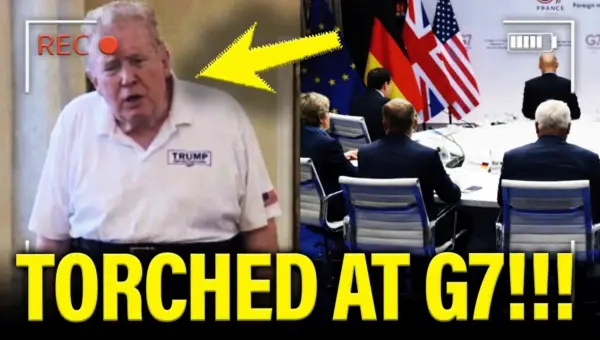
G7 Leaders Clash Over Trump’s Iran Policy Amidst Global Crisis
World leaders at a G7 meeting voiced sharp criticism of Donald Trump's Iran policy, citing concerns over the Strait of Hormuz and a looming global recession. Disagreements emerged regarding strategy and accusations of misinformation, highlighting deep divisions.
Trump’s Oil Market Influence Wanes Amidst Global Instability
Former President Donald Trump's attempts to influence oil markets have reportedly failed, raising concerns about his diminishing credibility. Analysts compare his approach to "the boy who cried wolf," suggesting a loss of trust among market participants. The discussion also touched upon the use of personal devices for government communication and the vetting of political candidates amidst controversial remarks.
Trump’s War Talk Distracts as World Burns
As global conflicts escalate and economic pressures mount, Donald Trump's focus on past grievances and symbolic wins overshadows pressing issues. His rhetoric, including questionable claims about ending wars and strategic use of terminology to bypass Congress, raises concerns about leadership and national priorities.