Trump’s Erratic Behavior Mirrors Growing Global Instability
Recent public appearances by Donald Trump have shown erratic behavior, contradictory statements, and a seeming disconnect from reality. This includes false claims about presidential endorsements and confused explanations for military actions. The analysis suggests this instability could be linked to escalating global conflicts and may be impacting his political standing.

Trump’s Erratic Behavior Mirrors Growing Global Instability
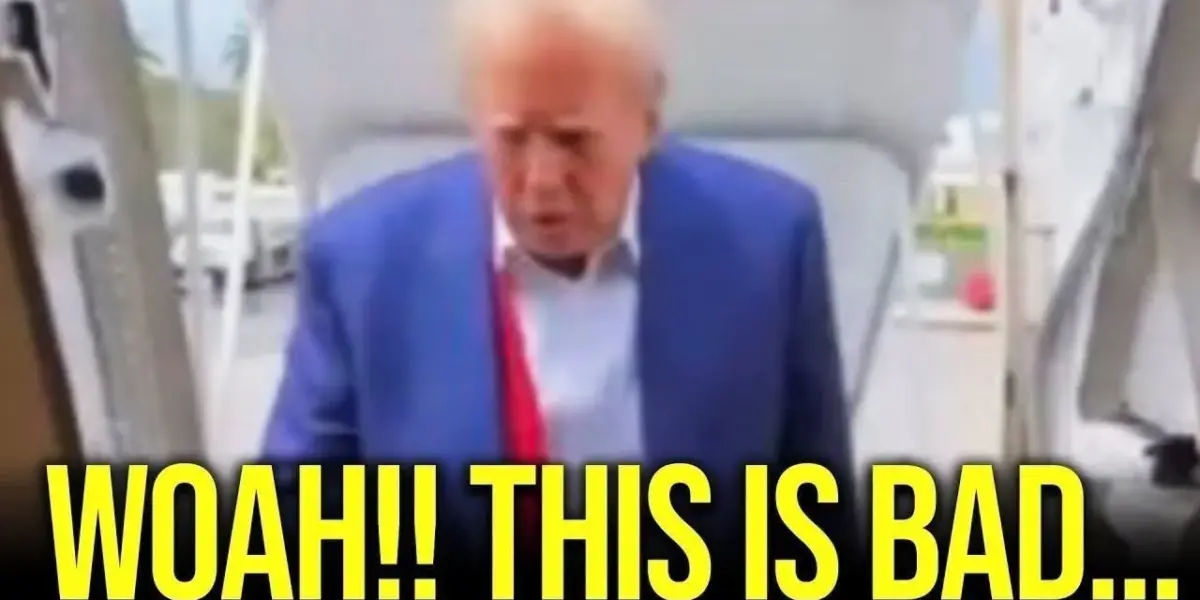
Donald Trump’s recent public appearances have been marked by a level of agitation and confusion that has raised serious concerns. Observers note physical signs like bruises and swelling, alongside rambling speech and contradictory statements. This behavior seems to be intensifying as international conflicts, particularly in Iran, escalate and become more complex.
Claims of Presidential Endorsements Collide with Reality
One striking example of this confusion came when Trump claimed to reporters that a former president had praised his actions in Iran, even wishing they had done the same. However, aides for all four living former presidents—Bill Clinton, George W. Bush, Barack Obama, and Joe Biden—issued statements to CNN confirming no such communication ever took place. This stark contradiction suggests a disconnect from verifiable facts, a pattern critics argue is becoming increasingly common.
A Bizarre Anecdote and a Groaning Crowd
During a press conference with House Speaker Mike Johnson, Trump recounted a story about a congressman facing a grim, terminal diagnosis. Trump described how he encouraged the congressman and even involved his doctors, leading to emergency surgery and a new lease on life. The story, while presented as a success, was met with audible groans from the audience, who seemingly found the anecdote inappropriate and perhaps fabricated. Both Trump and Johnson chuckled, a reaction that struck many as tone-deaf given the serious nature of the supposed diagnosis.
Conflicting Messages on International Aid
The same press conference revealed further confusion regarding foreign policy. Trump simultaneously asked NATO allies for help with the Strait of Hormuz while also declaring the U.S. didn’t need anyone’s assistance. He stated, “We have some that are really enthusiastic, they’re coming already… We don’t need them. We’re the strongest nation in the world.” Yet, moments later, he suggested allies were “jumping to help us.” This flip-flopping highlights a potential lack of preparedness and a failure to maintain strong international relationships, as allies like the UK, France, and Germany have indicated they will not get involved in the conflict, or only in a limited capacity.
Attacks on Gavin Newsom and a Freudian Slip
Later that day, in the Oval Office, Trump attacked California Governor Gavin Newsom, calling him a “low IQ person” and suggesting people with learning disabilities shouldn’t be president. He specifically mentioned dyslexia, a condition Newsom has openly discussed. However, Trump then made a significant error, referring to Newsom as “the president of the United States.” This slip-up was widely interpreted as either a sign of cognitive decline or a moment of profound confusion. Governor Newsom’s team responded with a satirical social media post, embracing the title of president and announcing a series of policy changes that mocked Trump’s own agenda.
Justifying War with “Habit”
Adding to the confusion, Trump discussed U.S. involvement in the Middle East, particularly concerning oil production and allies. He stated the U.S. doesn’t need the oil but engaged in actions “out of habit” because of “good allies there.” This explanation for military actions, which have resulted in American casualties and civilian deaths, was met with bewilderment. Many, including those who debate Trump supporters, find no clear justification for the current situation, and the administration has offered little in the way of a coherent rationale.
Ambitions for Cuba and a “Head on a Pike” Foreign Policy
Trump’s remarks also turned towards Cuba, which he described as a beautiful island with great weather, not in a hurricane zone. He suggested he might have the “honor of taking Cuba” in some form, adding, “I could do anything I want with it.” This statement, along with his past actions and rhetoric, has led some to describe U.S. foreign policy under his influence as a “head on a pike” approach—acting unilaterally without regard for international law or consequences. This aggressive stance alienates allies and creates instability.
Collapsing Poll Numbers and Shifting Alliances
The author suggests that this erratic behavior and questionable policy decisions are contributing to a decline in Trump’s poll numbers. Support among independents is reportedly collapsing, and even some right-wing media figures who previously supported him are now expressing doubt and regret. This suggests a growing unease with his leadership style and its implications for the country.
Concerns Over Election Integrity
Finally, the piece touches on Trump’s focus on election integrity, referencing the “Save America Act” and a leaked executive order aimed at declaring a national emergency over voter fraud. These actions raise concerns about potential efforts to make voting more difficult and expand executive authority, particularly in the lead-up to future elections. The author questions how far Trump and his allies are willing to go to maintain power, hinting at a potential threat to democratic processes.
Why This Matters
The erratic and often contradictory statements made by Donald Trump, as highlighted in this analysis, are more than just political gaffes. They reflect a potential instability in decision-making that could have serious consequences on both domestic and international fronts. When a leader’s public pronouncements shift dramatically within hours, or when claims are easily disproven, it erodes trust and makes it difficult for allies and adversaries alike to understand the nation’s true intentions. This is particularly concerning in matters of foreign policy and military engagement, where clear, consistent, and reliable communication is paramount to preventing misunderstandings and de-escalating conflicts. The apparent lack of a coherent justification for military actions and the strained relationships with long-standing allies create a volatile international environment. Domestically, concerns about election integrity and the potential for expanded executive power raise fundamental questions about the health of democratic institutions. The author’s observations suggest that this period of uncertainty, marked by Trump’s increasingly unusual behavior, is not just a temporary phase but potentially indicative of deeper issues that could shape the future of American leadership and its role in the world.
Historical Context
Historically, presidential communication has been a cornerstone of leadership, used to project strength, reassure allies, and deter adversaries. While politicians have always used rhetoric strategically, the frequency and nature of Trump’s contradictory statements and seemingly unfounded claims stand apart. The Venezuela situation mentioned in the transcript serves as a past example where an oversimplified approach to foreign intervention led to prolonged instability. The current situation echoes this, with complex geopolitical issues being addressed with what appears to be impulsive decision-making rather than strategic planning. The author’s reference to the U.S. foreign policy as a “head on a pike” recalls periods of aggressive unilateralism, often met with international criticism and a weakening of global alliances.
Trends and Future Outlook
The trend observed is one of increasing unpredictability in presidential communication and foreign policy. This creates a challenging environment for diplomacy and international cooperation. The future outlook suggests a continued need for vigilance regarding the stability of American leadership and its impact on global affairs. As allies become more hesitant to commit to joint actions and adversaries may see opportunities in perceived American disarray, the U.S. risks a diminished influence on the world stage. The author’s concern about election integrity also points to a potential future where the processes of democratic governance themselves become a point of contention, requiring robust defense and public trust.
Source: Sickly Trump CRASHES As War RUINS HIM (YouTube)

Related Articles
Congress Stalemate Threatens Border Security Funding
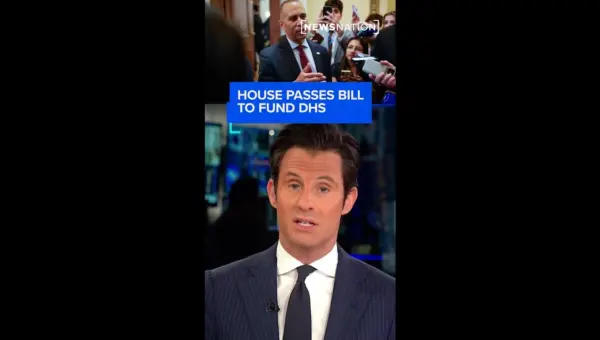
The U.S. House passed a temporary funding bill for the Department of Homeland Security, but Senate Democrats are expected to block it. This recurring stalemate highlights deep divisions over border policy and funding, potentially impacting national security and international perceptions of U.S. stability.
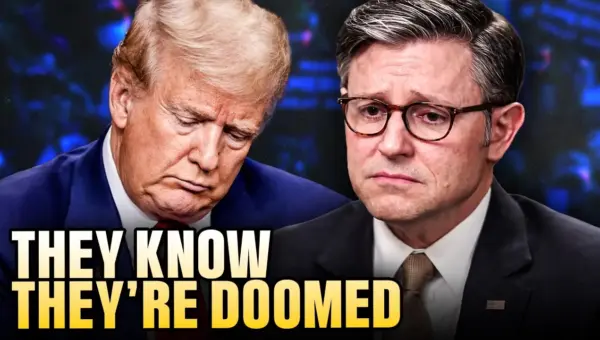
Polls Spell Doom: Republicans Face Voter Backlash
New polling data reveals a sharp decline in public confidence regarding the economic impact of Republican policies, particularly under Donald Trump. A significant majority now feel financially worse off, a trend that is especially pronounced among independent voters. This economic discontent poses a major challenge for the Republican party heading into future elections.
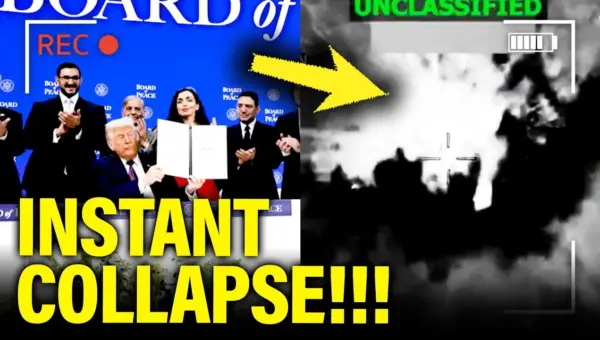
Trump’s ‘Board of Peace’ Crumbles Amidst Global Conflict
Donald Trump's 'Board of Peace,' launched with grand ambitions from Davos, faced immediate scrutiny over its $1 billion permanent membership fee. Despite attempts to secure ceasefires, the initiative appeared to falter as global conflicts, including strikes on Iran, escalated, leaving its intended purpose overshadowed.