Trump’s Epstein Gambit Backfires, Demands for Testimony Mount
Donald Trump's strategy to deflect attention from the Epstein files by targeting the Clintons has backfired, creating a precedent that now demands his own testimony. The "Clinton Rule" is forcing a reckoning with his past associations.

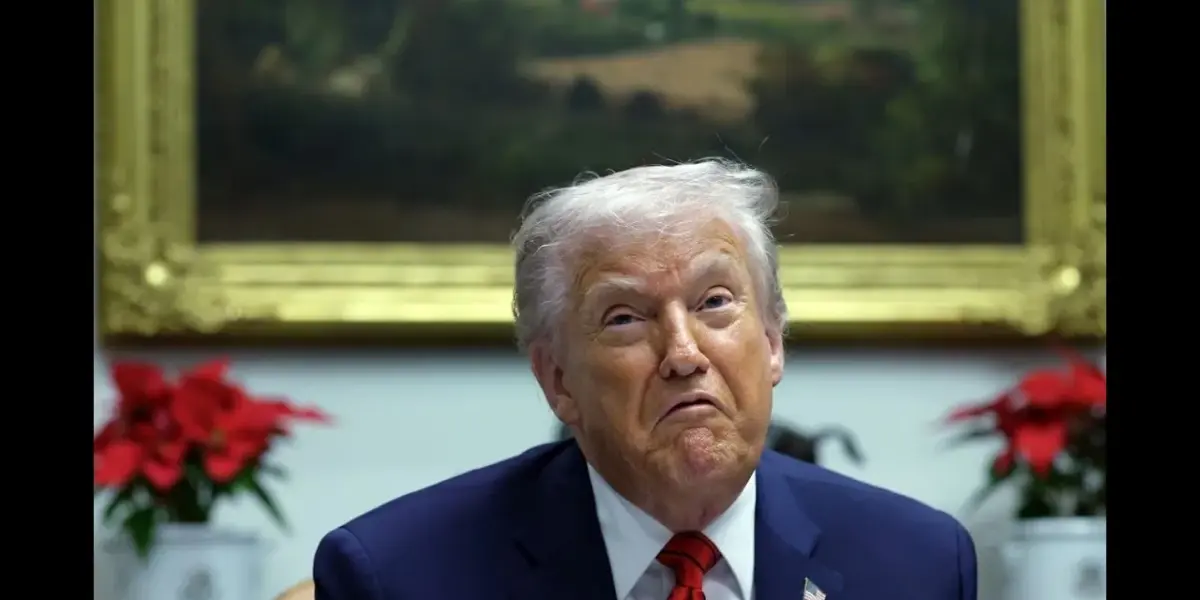
Trump’s Epstein Strategy Backfires Spectularly
In a stunning display of political irony, Donald Trump’s attempt to deflect attention from his own entanglement with the Jeffrey Epstein files appears to have backfired spectacularly. The very strategy designed to shift blame and create a diversion has instead amplified calls for his own testimony, setting a new precedent that could ensnare the former president in the ongoing investigation.
The Genesis of the Backfire
The Epstein files, a trove of documents detailing the sex trafficking network of the late financier, have cast a long shadow over numerous prominent figures. Faced with his name appearing thousands of times within these documents, Trump reportedly urged his allies to frame the issue as a “Democrat problem.” This directive, seemingly aimed at redirecting scrutiny towards figures like the Clintons, has instead boomeranged, creating an unexpected political landscape for the former president.
The Clinton Precedent: A Double-Edged Sword
The strategy involved leveraging the House Oversight Committee, led by Republicans, to call in high-profile individuals, with the Clintons being a primary target. The hope was that by focusing on prominent Democrats, attention would be diverted from Trump. Furthermore, the anticipation was that Hillary Clinton, in particular, might refuse to testify, providing Republicans with ammunition to accuse her of hiding something. However, this gambit crumbled when Hillary Clinton not only appeared before the committee but also answered every question posed to her. More significantly, her testimony, characterized as detailed, thoughtful, and persuasive, inadvertently bolstered the argument for Trump’s own appearance.
As one legal analyst noted, when examining a case, a lawyer would look for “pattern and practice.” Donald Trump’s past legal entanglements, including being held civilly liable for sexual assault and convicted on felony counts for attempting to hide a relationship and commit business fraud, fit a pattern that could be relevant to an investigation. This history, coupled with his name’s prominent appearance in the Epstein files, makes him a logical subject for deposition.
The “Clinton Rule” and Its Implications
The testimony of both Bill and Hillary Clinton before the House Oversight Committee has inadvertently established what some are calling the “Clinton Rule.” This unwritten precedent suggests that if former presidents and their families can be called to testify, then Donald Trump should be no different. The argument is that if President Clinton testified and answered all questions without invoking the Fifth Amendment, then Trump, who has reportedly invoked the Fifth Amendment hundreds of times, should similarly be compelled to do the same.
Congresswoman Alexandria Ocasio-Cortez highlighted this point, stating, “President Clinton has set a precedent, a new Clinton rule. That means that Donald Trump should do the same, answer the questions.” The sentiment is echoed by others who argue that if the goal is transparency, then everyone implicated, regardless of political affiliation, should be subject to questioning under oath.
Trump’s Own Words Undermine His Position
Adding another layer to the unfolding drama, Trump’s own past statements about the deposition of public figures have come back to haunt him. When asked about Bill Clinton testifying, Trump remarked, “I don’t like seeing him deposed.” This candid admission, interpreted as a reluctance to see figures associated with Epstein brought before Congress, has fueled the argument that he himself would prefer to avoid such scrutiny. The irony is not lost on observers that it was the Republicans, under Trump’s apparent direction, who set the precedent that now points directly at him.
The GOP’s Shifting Stance and Trump’s “Transparency”
When pressed on why Donald Trump should not be called to testify, Republican figures like James Comer have offered responses that have been widely criticized as disingenuous. Comer suggested that Trump has already answered “hundreds, if not thousands of questions” and has been “very transparent in releasing the documents.” However, critics argue that Trump’s public responses, often characterized by dismissiveness and personal attacks on reporters, do not constitute transparency. His statements, such as “Are you still talking about Jeffrey Epstein? This guy’s been talked about for years,” and his aggressive interactions with journalists, stand in stark contrast to the thorough, unvarnished testimony that appears to be expected of others.
The claim of Trump’s “transparency” is further challenged by the fact that millions of documents related to the Epstein files have yet to be released. The argument that Trump has been the “most transparent president on the Epstein files” is met with skepticism, especially when contrasted with his evasive tactics and the ongoing release of information, which still leaves significant portions of the documentation undisclosed.
Why This Matters
The unfolding situation surrounding Donald Trump and the Epstein files is a critical juncture in the ongoing pursuit of accountability. It highlights the complex interplay between political maneuvering, legal precedent, and the public’s demand for transparency. The backfire of Trump’s deflection strategy underscores a fundamental principle: attempts to weaponize investigations for partisan gain can often lead to unintended consequences.
Implications and Future Outlook
The establishment of a precedent where former presidents and high-ranking officials can be compelled to testify is significant. It suggests a potential shift in the dynamics of congressional oversight, making it more difficult for individuals, regardless of their political stature, to evade scrutiny. If Donald Trump is indeed subpoenaed and compelled to testify, it would be a landmark event, potentially revealing further details about his connections to Epstein and the broader network.
Historical Context
Investigations into powerful figures and their associations have long been fraught with political challenges. The Epstein case, with its far-reaching implications, is particularly sensitive due to the alleged involvement of individuals across the political spectrum. The historical context of such investigations reveals a pattern of resistance, deflection, and attempts to control the narrative. However, the increasing prominence of digital trails and the public’s access to information are making such efforts more difficult.
Conclusion: The Unraveling of a Deflection
Donald Trump’s strategy to divert attention from the Epstein files by pointing fingers at Democrats has, ironically, placed him squarely in the crosshairs. The “Clinton Rule,” born from the very hearings intended to distract, now serves as a powerful argument for his own testimony. As more information emerges and the pursuit of transparency intensifies, the former president may find himself facing the deposition he most feared, a direct consequence of a political gambit that has dramatically backfired.
Source: BACKFIRE: Trump gets the Epstein update he FEARED MOST (YouTube)

Related Articles


MAGA’s Shifting Sands: War in Iran Exposes Deep Divides
Prominent MAGA figures and influencers are reportedly expressing significant dissent towards Donald Trump's administration over its actions concerning Iran. This internal fracturing suggests a potential crisis of faith within the movement, driven by a perceived betrayal of core principles like non-interventionism.

Trump’s Iran Gambit: Legacy of Destruction or Strategic Masterstroke?
The recent US strikes on Iran, justified by an 'imminent threat,' have ignited debate about Donald Trump's legacy. Critics question the legality and shifting justifications, drawing parallels to the Iraq War and warning of potential regional instability. The long-term consequences remain uncertain.
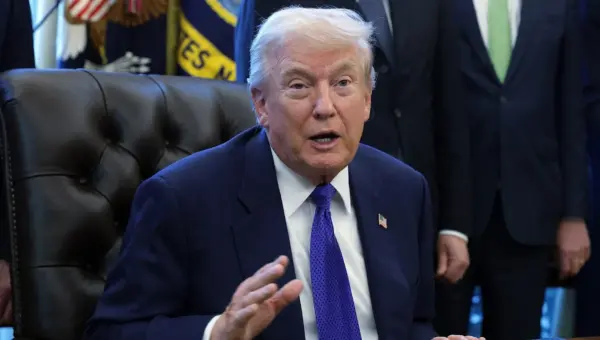
Trump Welcomes German Chancellor Merz to White House
President Donald Trump hosted German Chancellor Friedrich Merz at the White House for critical talks on economic cooperation and global security. The summit emphasized strengthening the vital U.S.-German alliance amidst evolving international challenges. Both leaders aimed to align strategies on trade, defense, and pressing global issues.