Trump’s Endorsements Threaten GOP’s Election Hopes
Donald Trump's endorsement strategy is creating division within the Republican party, potentially costing them crucial seats in upcoming elections. The focus on controversial candidates like Ken Paxton in Texas highlights internal party struggles and raises questions about the GOP's overall electability.

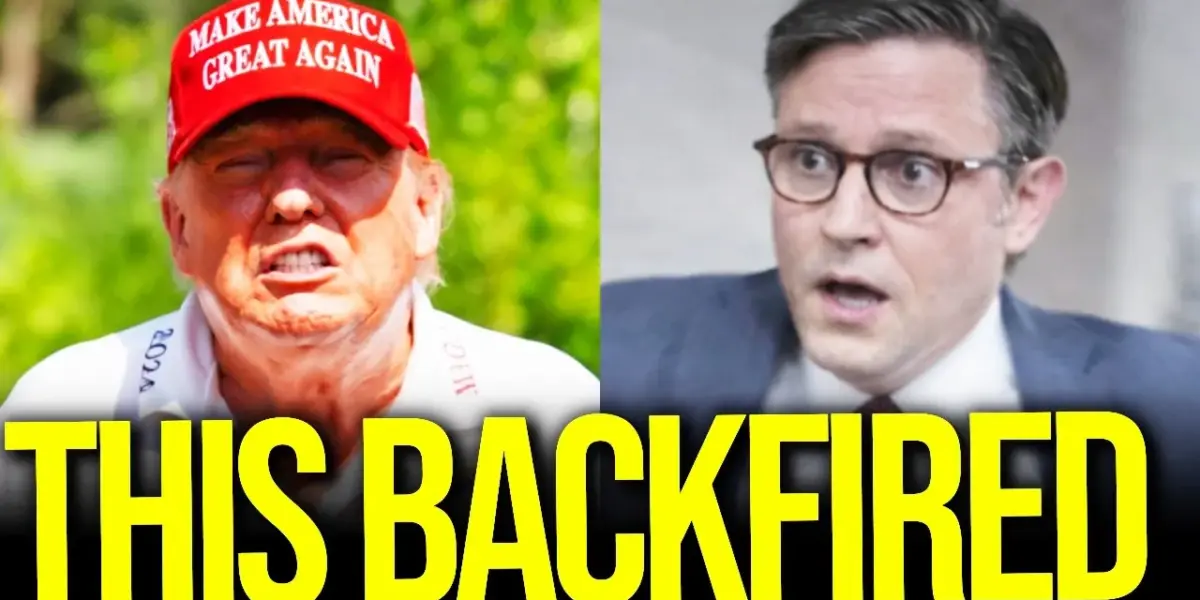
Trump’s Endorsements Threaten GOP’s Election Hopes
The Republican party faces a tough challenge heading into the midterm elections. Many wonder why, with Republicans in control of the House, Senate, and White House, there are still so many internal fights. These disagreements make it hard for the party to agree, and it often looks like Democrats are winning the public’s trust.
This situation is frustrating for many. For example, the Department of Homeland Security and its agents have faced funding issues, leading to government shutdowns. Nobody truly wins when essential services are disrupted, but Democrats have been pushing for things like more healthcare funding and oversight for immigration agencies.
Trump’s Influence on Candidate Selection
Former President Donald Trump’s influence on Republican candidates is a major point of discussion. He has been accused of trying to drag the party down with his choices. This comes at a time when the Republican party is already dealing with public anger over rising prices, global instability, and government chaos.
A key example is the Texas Senate race. Many expected Trump to endorse John Cornyn, a sitting senator. However, rumors suggest this endorsement is now unlikely. Instead, Trump has reportedly had positive discussions with Ken Paxton, the current Texas Attorney General.
The Ken Paxton Controversy
Ken Paxton faces serious accusations and legal troubles. He has been indicted for securities fraud since 2015 and is accused of lying to investors. His own party in the Texas House has started impeachment proceedings against him. These charges include bribery and abuse of office.
Beyond the legal issues, Paxton is also involved in personal scandals. Reports suggest he has had extramarital affairs. These affairs are reportedly linked to corruption allegations. One accusation involves a donor hiring Paxton’s mistress, who was then hired by a real estate investor. Staff members have claimed Paxton admitted to the affair and used his office for personal gain.
The allegations suggest Paxton used his public office to benefit donors and his mistress, all while misleading his family and supporters about his actions.
These issues paint a picture of a candidate with significant baggage. The idea that Trump might back such a candidate is seen by many as a major misstep.
Unforced Errors and Election Outlook
Critics argue that Trump is making “unforced errors” that hurt the Republican party. They point to decisions that seem to harm the party’s chances without any external pressure. For instance, the decision to support candidates like Paxton is seen as weakening the party’s position.
This is especially concerning when looking at election predictions. Before these controversies, Texas was seen as a very safe Republican state. Prediction markets showed an 83% chance of a Republican win. Now, with the focus on Paxton’s issues and Trump’s potential backing, the race is much closer, with chances around 50/50.
Historical Context and Democratic Strategy
The current political climate is marked by deep divisions. In the past, Republicans have often relied on strong candidates and clear messaging to win elections. However, the focus on controversial figures like Paxton, and Trump’s endorsement strategy, seems to be changing that dynamic.
Democrats, on the other hand, are trying to present a more unified front. They emphasize fighting for the average American by supporting things like healthcare subsidies and holding government agencies accountable. They also point to the Republican party’s internal struggles as a sign of weakness.
Why This Matters
The choices made by Donald Trump in endorsing candidates could significantly impact the upcoming elections. If Republicans lose seats they were expected to win, it could be directly linked to these endorsements.
This situation highlights a broader trend in politics: the power of a party’s base versus the need to appeal to a wider range of voters. Backing controversial candidates might energize the base but alienate moderate voters, ultimately costing the party the election.
Implications and Future Outlook
The Republican party’s ability to hold onto its majority in the House and potentially win seats in the Senate is now in question. The outcome of races like the one in Texas could set a precedent for future elections.
If Trump continues to back candidates with significant personal and legal issues, it could lead to more losses for the GOP. Democrats will likely continue to highlight these controversies. The party’s future success may depend on its ability to move beyond internal divisions and present a more broadly appealing platform.
A Contrast in Messaging
The contrast in messaging between parties is stark. While Republicans grapple with internal fights and controversial candidates, Democrats are attempting to focus on policy issues and responsible governance. One Democratic candidate, James Talarico, has been praised for his ability to connect with voters on issues of faith and policy, directly challenging the narrative often presented by the religious right.
Talarico’s message, which critiques policies that harm the poor or cut healthcare, resonates with many. It contrasts sharply with the actions of some Republican politicians. This clear communication and focus on core values could be a winning strategy for Democrats.
Source: Trump Just SCREWED his ENTIRE PARTY… (YouTube)

Related Articles
Trump’s Iran War Gamble: Broken Promises, Rising Costs
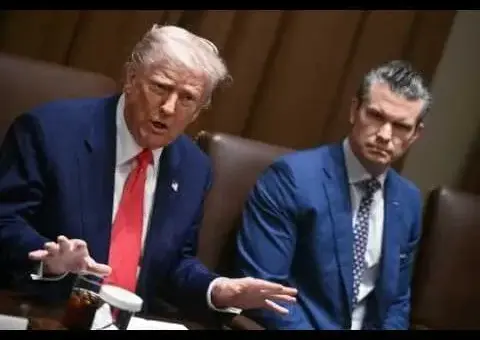
Reports indicate the Pentagon is preparing for ground operations in Iran, signaling a potential escalation of conflict. This move is criticized as a betrayal of campaign promises to avoid new wars and comes with rising gas prices and significant costs to American taxpayers. The analysis questions leadership priorities, contrasting campaign rhetoric with policy actions and highlighting the economic and human toll of prolonged military engagement.
Trump Weaponizes Pain for Voter Suppression, Critics Claim
A heated exchange reveals accusations that Donald Trump intentionally prolonged a government shutdown to weaponize public pain. Critics claim this strategy aimed to force the passage of a voter suppression bill, rejecting multiple Democratic proposals to fund the TSA. The debate also touched on historical funding decisions for agencies like ICE.
Staff Shields Trump’s Mind from Reality, Experts Warn
A former aide warns that Donald Trump's mental decline is not new, but the system around him can no longer cope. This lack of checks and balances is more dangerous than any cognitive issues, creating significant risks for policy and national security.