Trump’s Empire Crumbles: Allies Sound Alarm Amidst Mounting Crises
Allies of Donald Trump are reportedly in "panic mode" as a combination of economic woes, unpopular foreign policy, and lingering scandals threaten his political standing. This internal anxiety signals a potential crisis for the MAGA movement.

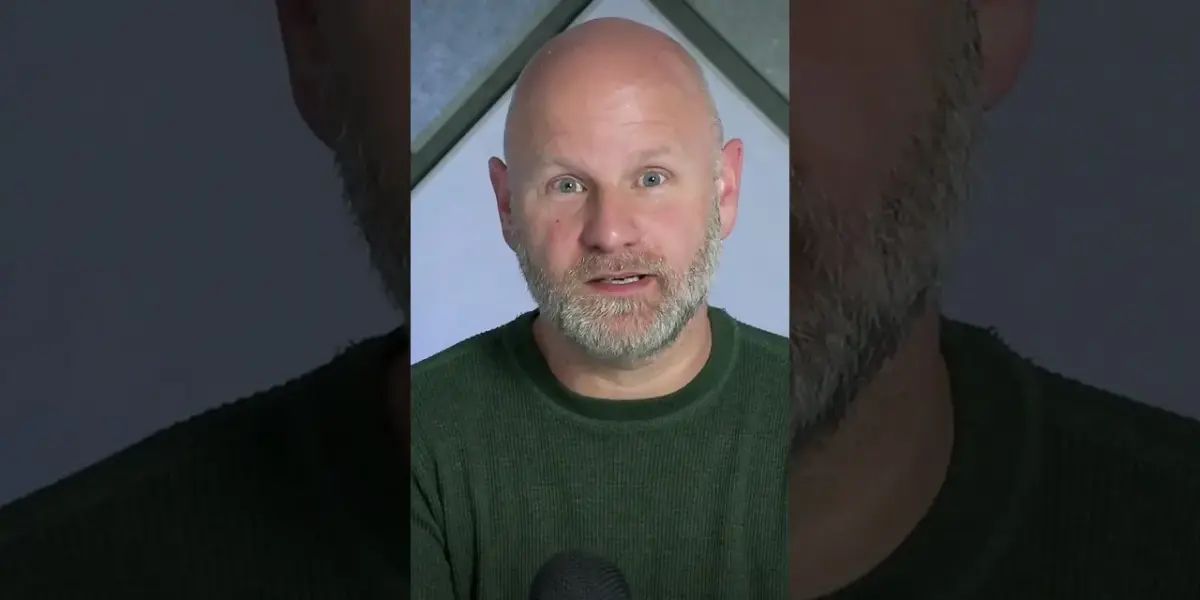
Trump’s Empire Crumbles: Allies Sound Alarm Amidst Mounting Crises
Whispers of discontent and outright panic are reportedly rippling through the inner circles of Donald Trump’s political orbit. Allies, strategists, and even some within the Republican party are beginning to voice grave concerns about the former president’s current standing, citing a confluence of domestic and international issues that threaten to destabilize his political future. The narrative emerging from these concerned voices paints a picture of a campaign and political movement teetering on the brink, facing a cascade of unpopular policies and unfolding scandals.
A Perfect Storm of Unpopularity
The core of the anxiety appears to stem from a perceived disconnect between Trump’s policy stances and the sentiments of the broader electorate, including key segments of his own base. One anonymous ally, speaking candidly to the media, articulated this fear with stark clarity: “If you combine an economy that people don’t like with a prolonged war that, you know, nobody in his base believes they voted for, that’s a toxic problem.” This statement encapsulates a dual threat: economic dissatisfaction and foreign policy fatigue. The sentiment suggests that the administration is grappling with issues that resonate negatively across a wide spectrum of voters, creating a “toxic problem” that is difficult to overcome.
The economic landscape, often a critical barometer of public mood, is cited as a significant drag. When a populace feels the pinch of inflation, job insecurity, or a general sense of economic malaise, it tends to translate into widespread dissatisfaction with the incumbent leadership or the political forces associated with it. In this context, any perceived mismanagement or unpopular economic decisions by Trump or his allies could be amplified, creating a fertile ground for opposition.
Furthermore, the mention of a “prolonged war” hints at a deeper unease regarding foreign entanglements. The ally’s assertion that “nobody in his base believes they voted for” such a conflict suggests a potential betrayal of campaign promises or a misreading of voter priorities. The sentiment is so strong that the advice given was unequivocal: “Don’t drag this war out.” However, the response from the speaker of the transcript quickly escalated this concern, suggesting that the issue is not merely the duration of a conflict, but the very notion of engaging in war at all: “They’re in no mood for any war. Like, no mood for a prolonged war.” This indicates a potential anti-war sentiment that could be a powerful force, particularly if it is perceived to be gaining traction within Trump’s core supporters.
Beyond War and Economy: A Multitude of Woes
The concerns extend beyond these two dominant issues. The transcript alludes to a range of other challenges plaguing Trump’s political life. The mention of the “Epstein files” suggests that lingering controversies and scandals continue to cast a shadow. These issues, often complex and deeply unsettling, can resurface and reignite public scrutiny, forcing campaigns to divert resources and attention to damage control.
Personnel decisions are also highlighted as potential indicators of instability. The “firing Christy Gnome” and the potential “firing Pam Bondi” suggest internal turmoil or strategic shifts that may not be perceived as positive. In politics, such changes can be interpreted as signs of a campaign in disarray or a leader struggling to maintain control. The mention of the “Melania documentary” as a “massive, massive failure” adds another layer, suggesting that even efforts to bolster the image or narrative around Trump and his family are not yielding the desired results, potentially signaling a disconnect with public interest or a misjudgment of what resonates with audiences.
Historical Context: The Perils of Unpopularity
Historically, political movements and leaders who are perceived as broadly unpopular face an uphill battle. The electoral landscape is a brutal arena where broad appeal, or at least the ability to mitigate widespread disapproval, is often key to victory. When an administration or a leading political figure becomes associated with a litany of unpopular policies – whether economic, foreign, or social – it creates a powerful narrative for opponents to exploit. The “toxic problem” described by the ally is not a new phenomenon; it is a recurring theme in political history where a combination of unfavorable conditions can lead to significant electoral setbacks.
The Republican party, in particular, faces a strategic dilemma. If their leading figure, Donald Trump, is perceived as a drag due to his unpopularity, it can have a ripple effect on other candidates running under the same banner. This is the “screwed” scenario alluded to by the strategists. They are caught in a bind: aligning too closely with a divisive figure carries risks, while distancing themselves could alienate a core part of the party’s base. This dynamic often leads to internal friction and strategic paralysis.
Why This Matters
The anxieties reportedly felt by Trump’s allies are not merely internal political chatter; they have significant implications for the broader political landscape. If these concerns are indicative of a genuine weakening of Trump’s political capital, it could reshape the dynamics of upcoming elections, potentially opening doors for alternative candidates within the Republican party or emboldening Democratic opposition. The reported panic suggests a recognition that the current trajectory is unsustainable and that significant course correction may be needed, or that the movement itself is facing an existential crisis.
Implications, Trends, and Future Outlook
The current situation, as described, points to several potential trends. Firstly, there is a growing possibility of internal dissent within the Republican party, as more individuals may feel compelled to speak out or strategize independently if they perceive Trump’s leadership as detrimental to their electoral prospects. Secondly, the emphasis on unpopular policies suggests a potential shift in voter priorities, with economic concerns and a desire for stability potentially outweighing other political considerations. The strong sentiment against prolonged wars could also signal a broader weariness with foreign interventions, a trend that could influence foreign policy debates for years to come.
The future outlook for Donald Trump and the MAGA movement remains uncertain. However, the reported “panic mode” among his allies suggests that the challenges are significant and multifaceted. The ability of Trump and his team to navigate these complex issues – from economic discontent and foreign policy anxieties to lingering scandals and internal party dynamics – will be crucial in determining the movement’s future resilience and electoral viability. The coming months will likely reveal whether these alarms signal a genuine turning point or a temporary bout of nerves within a still-potent political force.
Source: MAGA is in PANIC MODE (YouTube)

Related Articles
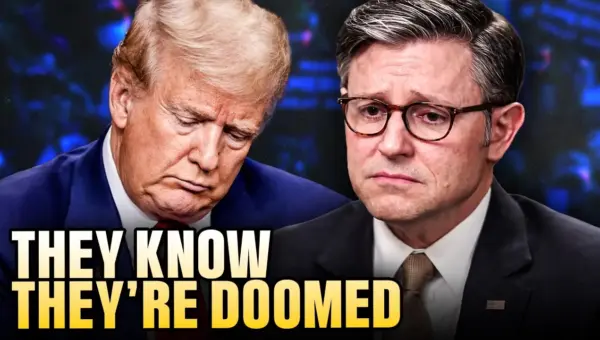
Polls Spell Doom: Republicans Face Voter Backlash
New polling data reveals a sharp decline in public confidence regarding the economic impact of Republican policies, particularly under Donald Trump. A significant majority now feel financially worse off, a trend that is especially pronounced among independent voters. This economic discontent poses a major challenge for the Republican party heading into future elections.
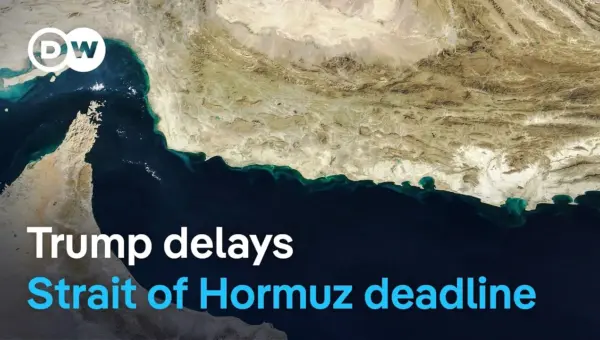
Trump Delays Iran Strike Deadline Amidst Shifting Diplomacy
President Donald Trump has extended his deadline for potential strikes on Iranian energy plants to April 6th, amid reports of U.S.-Iran diplomatic talks mediated by Pakistan. This move comes as Israel continues its strikes on Iran and the U.S. deploys additional military assets to the region. Analysts point to mixed signals, economic pressures, and strategic miscalculations as key factors shaping the evolving situation.
Iran War Claims Ring Hollow as US Troops Injured in New Attack
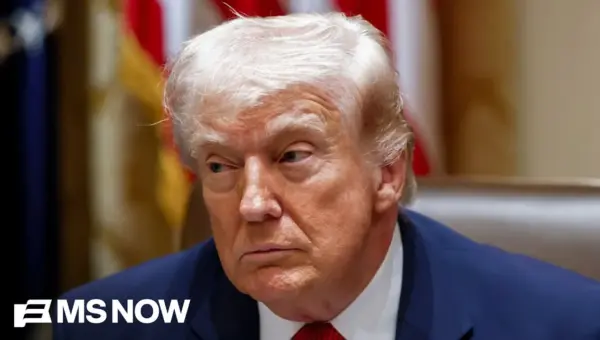
Days after Donald Trump claimed "we've won" the war with Iran, a new attack injured approximately a dozen U.S. troops and damaged aircraft. This incident contradicts Trump's assertions of victory and raises serious questions about the strategy and reality of the ongoing conflict.