Trump’s Election Power Grab: A “Five Alarm Fire”
A leaked memo suggesting Donald Trump could declare a national emergency to seize control of elections has been labeled a "five alarm fire" by legal experts. The memo's questionable legal basis and potential for authoritarian overreach have raised serious alarms about threats to democratic processes.

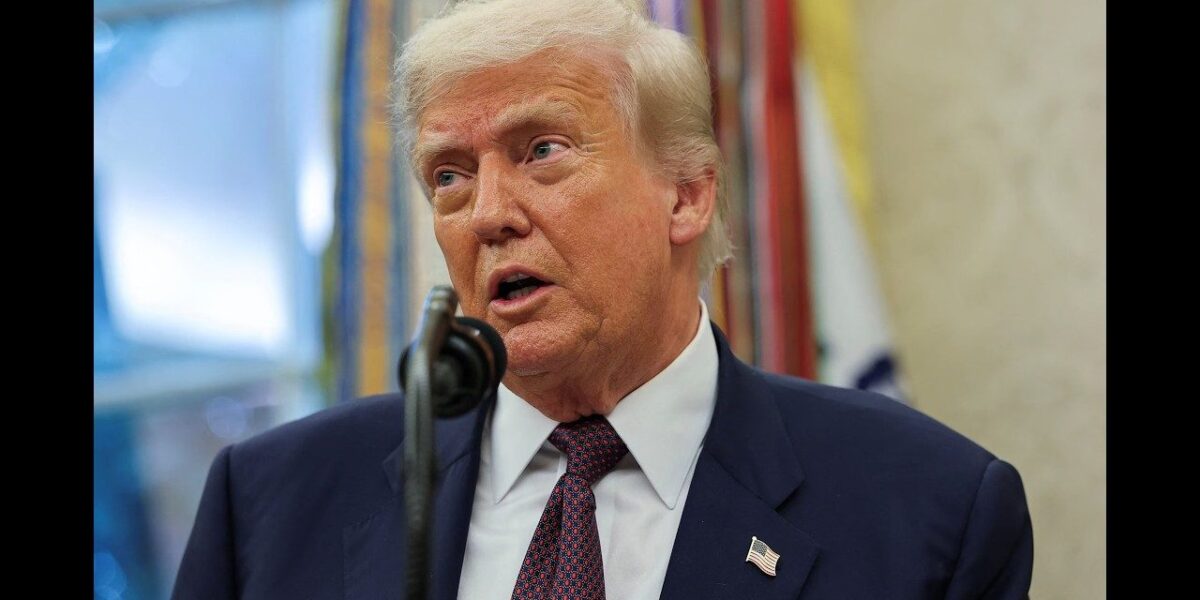
Trump’s Bombshell Election Memo Sparks Alarm
In a move that has sent shockwaves through legal and political circles, former President Donald Trump’s team has reportedly circulated a memo outlining a strategy to assert extraordinary presidential power over elections, citing alleged foreign interference by China in the 2020 election. This development, described by legal experts as a “five alarm fire” and a “bonkers” attempt to subvert democratic processes, raises serious concerns about the future of electoral integrity.
The “Bonkers” Memo and Unprecedented Claims
The core of the controversy lies in a recently surfaced memo that purportedly claims China interfered in the 2020 election. This assertion is reportedly being used by the Trump campaign as a basis to declare a national emergency. Such a declaration, according to the memo’s logic, would unlock unprecedented presidential authority to control various aspects of voting, potentially including disrupting the voting process, prohibiting the use of certain voting equipment, and banning mail-in ballots.
Mark Elias, a prominent election lawyer and founder of Democracy Docket, expressed grave concern over the memo’s contents and its implications. “This is an absolute wakeup call for everyone who has sat on the sidelines,” Elias stated, emphasizing that the memo’s claims are not only nonsensical but also represent a significant threat to democracy. He characterized the memo as “bonkers” and highlighted the irony of its legal basis.
Questionable Legal Foundations
The memo reportedly cites two federal statutes to justify the proposed emergency powers: the National Emergencies Act and the International Emergency Economic Powers Act (IEEPA). Elias pointed out the dubious nature of these citations. “The National Emergencies Act is not relevant, and the International Emergency Economic Powers Act… is actually the statute that Donald Trump relied on to impose the tariffs that the US Supreme Court said he doesn’t have the authority to use for tariffs,” he explained. This precedent suggests that the legal foundation for such sweeping powers over elections is extremely weak, if not entirely invalid.
“Authoritarian Takeover” vs. “Unlocking Power”
The way this development has been reported by some legacy media outlets has also drawn sharp criticism. Elias specifically called out reporting that framed the memo as “unlocking extraordinary presidential power over voting.” He vehemently disagreed, stating, “It is making up out of thin air. It is an authoritarian takeover. It is a wannabe dictator, you know, promulgating something that violates the constitution.”
Elias vowed that his law firm would challenge any executive order attempting to seize control of voting processes. “If Donald Trump signs an executive order trying to take over any aspect of voting, and I mean any aspect, even one centimeter of of voting, he’s going to get sued by me and my law firm, and we’re going to beat him like a drum,” he asserted, recalling past legal victories against similar attempts.
Broader Concerns: Media Consolidation and Cultural Influence
The discussion extended beyond the immediate threat of the memo to encompass broader concerns about the media landscape and its potential impact on public understanding of such issues. The conversation highlighted recent news regarding the consolidation of major media outlets under owners with close ties to Trump and Republican allies, including the potential ownership of CNN by David Ellison and the existing influence of individuals like Steve Bannon.
Brian Tyler Cohen, the host of the program, emphasized the critical need for independent voices like Elias’s. “It’s never been more important to highlight, elevate, uh, and support the voices that that are going to be willing to tell the truth in this environment,” Cohen stated. He expressed concern that a media environment dominated by Trump allies could prevent the public from recognizing “crackpot theories” as such, thereby undermining informed civic engagement.
The consolidation of media ownership, including studios, was also framed as a potential threat to cultural discourse. Elias and Cohen discussed how this could lead to the suppression of dissenting voices and the promotion of a specific political agenda, potentially influencing public perception and political outcomes.
The Urgency of Vigilance and Swift Legal Action
While Elias expressed confidence that any executive order based on the memo would ultimately be defeated in court, his primary worry lies in the potential for prolonged legal battles and the erosion of public trust. “What I am worried about is that when we do sue, there will be this sense, well, on the one hand, the Trump administration says they’ve unlocked extraordinary executive power, and on the other hand, Mark Elias and lawyers say that this is too far,” he explained. He fears that even if legal challenges succeed, the narrative could be manipulated, especially closer to an election, making it difficult for the public to discern truth from propaganda.
The possibility of Trump issuing such an order close to an election, leaving insufficient time for courts to intervene effectively, was also a significant concern. Elias stressed the importance of being “right and fast” in legal responses. His law firm is currently involved in numerous cases across multiple states, demonstrating a proactive approach to defending voting rights. “We have to be vigilant and just keep paying attention to everything that’s happened and be prepared to act immediately,” he urged.
A Call to Action for Informed Democracy
The situation underscores the critical need for an informed and engaged citizenry. Elias reiterated his plea for viewers to support independent journalism and legal advocacy groups that are actively working to protect democratic processes. “This is why it’s so important to elevate uh voices like yours and news outlets like yours,” he concluded, referencing his own outlet, Democracy Docket, and the program itself.
The “five alarm fire” described by Elias serves as a stark warning. As the nation approaches future elections, the methods employed to challenge or subvert electoral outcomes, and the public’s ability to discern and counter them, will be paramount to safeguarding democratic institutions.
Source: “Five alarm fire!” Trump issues STUNNING election announcement (YouTube)

Related Articles
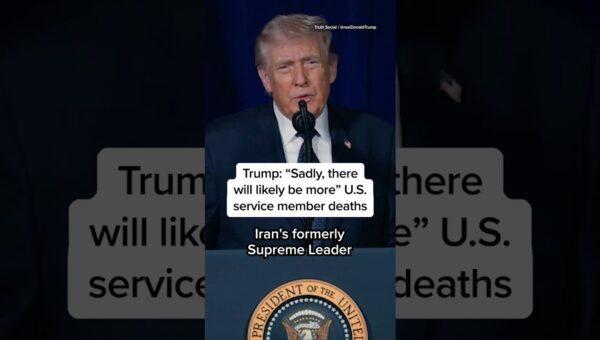
Trump Warns of More US Deaths in Escalating Conflict
Former President Donald Trump issued a somber warning on Truth Social, stating that further U.S. service member deaths are "likely" as geopolitical tensions escalate. He condemned Iran's former supreme leader, Ayatollah Ali Khamenei, and vowed retribution for fallen soldiers.

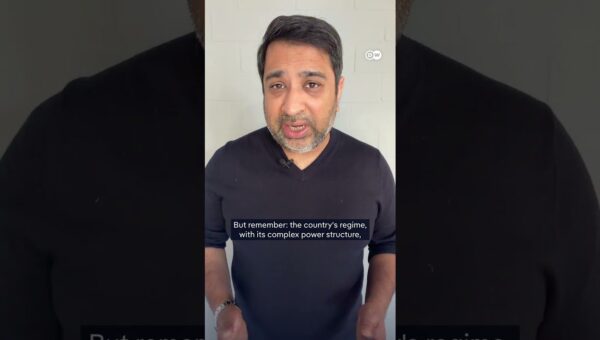
Trump Threatens “Unseen” Force on Iran After Leader’s Death
Following the assassination of Supreme Leader Ayatollah Ali Khamenei, U.S. President Donald Trump has vowed to unleash unprecedented force on Iran. While outlining ambitious goals including regime change, experts express skepticism about the effectiveness of airstrikes and the potential for popular uprising against a resilient Iranian government.
Senator Coons Questions Trump’s Iran Strategy After Troop Deaths
Senator Chris Coons has sharply criticized President Trump's strategy in Iran following the deaths of three U.S. service members. Coons questioned the intelligence regarding Iran's nuclear proximity and the lack of clear strategy and congressional debate for the "war of choice."