Trump’s Election Order Sparks Legal Firestorm Over Mail-In Ballots
President Donald Trump has signed a controversial executive order aiming to control mail-in ballots by creating a federal citizenship list for voter eligibility. Legal experts and voting rights advocates are challenging the order, citing a lack of constitutional authority and potential for voter suppression.

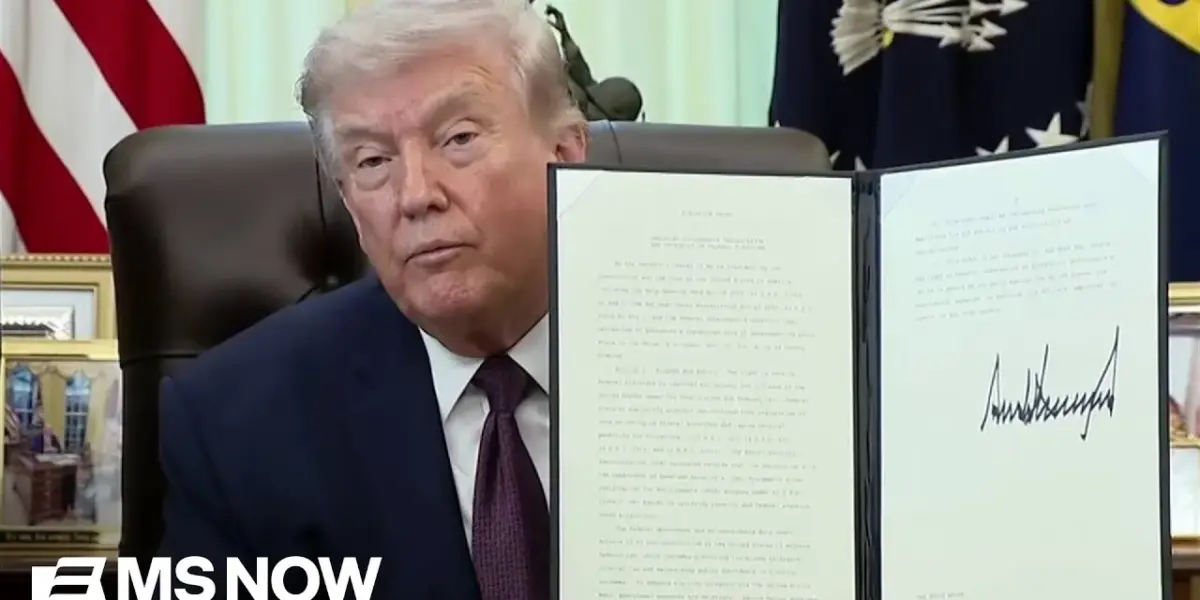
Trump Signs Executive Order Targeting Mail-In Ballots
President Donald Trump has signed an executive order that aims to tighten control over mail-in ballots, a move that has quickly drawn sharp criticism and legal challenges. The order, signed yesterday, directs the Department of Homeland Security to create a list of citizens eligible to vote. This list would be based on data from citizenship records, Social Security records, and other federal databases.
The order also instructs federal officials to send this list to state election officials. Furthermore, it directs the Attorney General to prioritize prosecuting election officials who give federal ballots to people not on this list. The U.S. Postal Service is also ordered not to send mail-in or absentee ballots to anyone not included on the state citizenship list.
Concerns Over Legality and Constitutionality
Legal experts and voting rights advocates have voiced significant concerns about the order’s legality and constitutional basis. Many argue that the President lacks the constitutional authority to take such actions. The New York Times reported that the order appears difficult to enforce.
“If it sounds sketchy or illegal or unconstitutional to you, then you have something in common with a significant portion of the country’s legal community,” the report stated.
Mark Elias, a voting rights attorney and founder of the Democracy Docket, has been a vocal critic. He noted that a federal judge previously ruled that the president has no role in overseeing elections. “Yet here he is back claiming powers he does not have, asserting authority he does not have,” Elias said.
Trump’s Justification and Critics’ Rebuttals
President Trump has repeatedly claimed that mail-in voting is prone to cheating and corruption. He has referred to it as “mail-in cheating” and stated that it automatically makes elections corrupt. He believes this new order will help ensure voter integrity.
However, critics argue that the order is not about preventing fraud, which they say is rare, but rather about discrediting elections and creating obstacles to voting. Elias suggested that Trump’s strategy is not to flood the zone with claims but to “grind us down” and erode public trust in the electoral process.
“This is another machination along the path of discrediting our elections and throwing up hurdles to free and fair elections,” Elias explained. He believes the order is an effort to limit who can vote and give federal departments like Homeland Security and Justice the power to decide who gets to cast a ballot.
Broader Implications for Voting Rights
The implications of this executive order extend beyond just mail-in ballots. Experts fear it could be a step towards a broader effort to control who is considered a full citizen with voting rights. “If you think it ends with mail-in voting, you are mistaken. If you think it ends with in-person voting, you are mistaken,” Elias warned.
He added that this could be used to disenfranchise voters not just by mail but also in person. The order, he argued, is an attempt by Trump to control who counts the ballots, which is a fundamental way to rig an election outcome. This is seen by many as an existential threat to democracy.
Legal Challenges and Future Outlook
Despite President Trump’s assertion that his order would be difficult to challenge, legal action has already begun. Voting rights groups and legal organizations are preparing to sue. Mark Elias stated, “I’m not giving up. I’m getting ready to sue him and I’m getting ready to win.”
The coming weeks and months will likely see intense legal battles over the executive order. The outcome of these challenges could significantly impact how elections are conducted and how voting rights are protected in the United States. The core issue remains whether federal agencies can unilaterally create and enforce lists that determine who is eligible to vote, a power many believe belongs solely to the states and is protected by the Constitution.
Key Points from the Transcript:
- President Trump signed an executive order targeting mail-in ballots.
- The order directs Homeland Security to create a state citizenship list for voter eligibility.
- Critics argue the order lacks constitutional authority and is an attempt to suppress votes.
- Voting rights attorney Mark Elias is leading legal challenges against the order.
- Experts warn this could be a broader effort to control who can vote and disenfranchise citizens.
Source: Trump makes election power grab with order seizing control over mail-in ballots (YouTube)

Related Articles

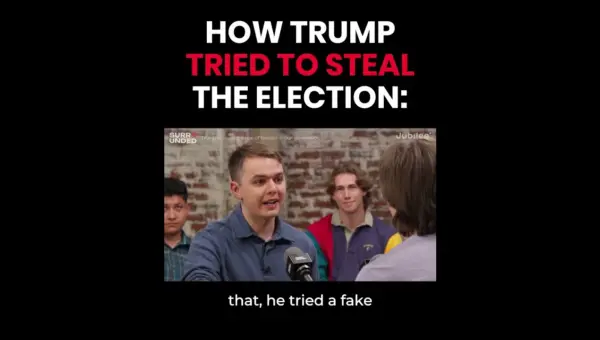
Election Integrity: What MAGA Supporters Don’t Know
The 2020 election's legitimacy is still debated, but a look at the facts reveals a series of failed legal challenges and attempts to alter results. From pressuring officials to the fake elector scheme and January 6th, understanding these events is key to election integrity.
DOJ Prosecutor Warns of National Security Risks in Birthright Citizenship
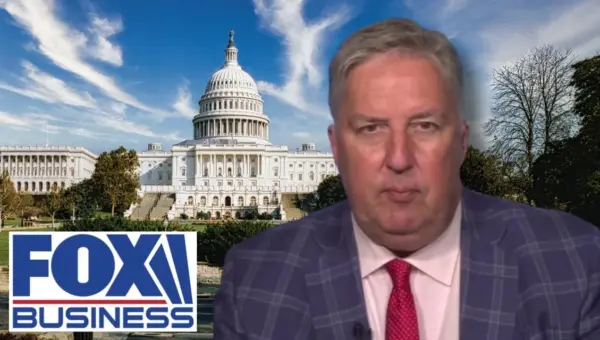
A former federal prosecutor warns that the current interpretation of birthright citizenship poses a significant national security and election integrity risk. He points to "birth tourism" and potential foreign influence as key concerns.
Courts Push Back: How Protests Fuel Legal Battles
Massive public protests are fueling a surge of legal challenges across the country. Organizations like Democracy Forward are using these demonstrations as a springboard to fight for citizens' rights in court. Recent victories in immigration law and ongoing efforts highlight the crucial link between public action and the defense of democracy.