Trump’s Election Order Faces Swift Legal Challenge
A new lawsuit challenges President Trump's executive order on mail-in ballots, arguing it oversteps presidential authority and violates the Constitution. Voting rights groups filed the suit, citing concerns about federal control over elections and potential impacts on ballot delivery. This action follows historical legal challenges to similar executive orders and highlights ongoing debates about election administration.

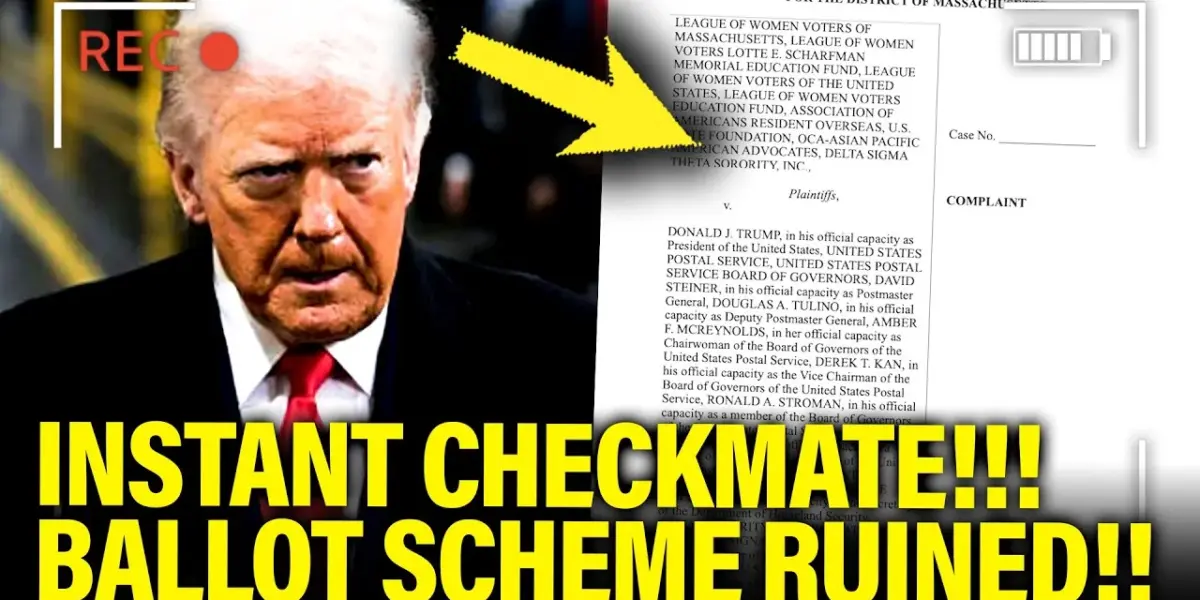
President’s Executive Order on Mail-In Ballots Immediately Sued
Just days after President Trump signed an executive order aimed at blocking mail-in ballots from reaching voters, a lawsuit has been filed to stop it. The order, which sought to create a federal system for checking citizenship and potentially stop ballots from being delivered, was met with immediate legal action. A group of voting rights organizations, led by the League of Women Voters of Massachusetts, filed the suit in federal court. They argue the executive order violates several key laws, including the Voting Rights Act and the 10th Amendment, which protects states’ rights.
Concerns Over Federal Overreach in Elections
The core of the legal challenge is the idea that the President is overstepping his authority. The lawsuit claims the executive order tries to put the Department of Homeland Security in charge of verifying citizenship for voting, a role traditionally held by states. It also suggests the U.S. Postal Service would be used to screen ballots, which critics say is an improper use of federal power. The Constitution gives states the primary power to manage federal elections, with powers not given to the federal government reserved for the states under the 10th Amendment.
The US Constitution assigns authority over federal elections to the states and Congress, not the president. Yet on March 31, in an executive order, it unilaterally imposed sweeping changes to election procedures.
Echoes of Past Legal Battles
This isn’t the first time President Trump has faced legal challenges over election-related executive orders. Last year, a similar order concerning citizenship requirements and voter ID rules was blocked by a judge. The current lawsuit points to this history, suggesting that the new order is based on a similar, flawed approach. Legal experts believe that, much like last year, a federal judge may block this executive order on similar grounds, finding it unconstitutional.
Supreme Court’s Potential Impact on Mail-In Voting
Adding to the tension around mail-in ballots, the Supreme Court recently heard arguments about ballot extension periods. There is concern that the Court might rule against allowing extra time for mail-in ballots to be counted, even if they are marked by Election Day. This potential ruling, expected by the end of June, could make it even harder for voters to ensure their ballots are counted. The new executive order, some believe, may have been inspired by the oral arguments at the Supreme Court.
What the Lawsuit Argues
The complaint filed in Massachusetts asks a federal judge to stop the executive order. It argues that the order is “ultra vires,” a Latin term meaning beyond the powers granted by law. The lawsuit claims the President does not have the constitutional or statutory authority to make these changes to election procedures. It also highlights concerns about using Social Security data for citizenship verification without proper consent, violating privacy laws. The plaintiffs are seeking an injunction, which is a court order to stop something from happening, and a declaration that the order is unlawful.
Looking Ahead: More Legal Challenges Expected
The lawsuit filed in Massachusetts is likely just the beginning. Reports indicate that at least 20 Democratic state attorneys general are also preparing to file their own lawsuits to block the executive order. These challenges are expected to be filed in federal courts across the country. Legal teams are working quickly to get these cases heard, potentially seeking emergency temporary restraining orders. The outcome of these cases will be crucial in determining the future of mail-in voting and the balance of power between federal and state governments in managing elections.
Why This Matters
This legal battle is significant because it directly addresses who controls the process of federal elections. The ability of a president to issue executive orders that alter election rules without clear congressional approval raises fundamental questions about our democracy. The outcome could set a precedent for how future elections are administered, impacting voter access and the integrity of the vote. It highlights the ongoing debate about federal power versus states’ rights, especially in the critical area of electoral processes. The swift legal response suggests a strong consensus among voting rights advocates that this executive action crosses a constitutional line.
Historical Context: The Founders’ Intent
When the United States was formed, the Founding Fathers were wary of a powerful central government. They designed a system where states would manage their own elections, a compromise to ensure both large and small states felt represented and protected. The 10th Amendment was included to reinforce this idea, stating that any powers not specifically given to the federal government are reserved for the states or the people. This historical understanding is central to the argument that the President’s executive order infringes upon powers meant to be held by the states.
Future Outlook
The legal challenges to President Trump’s executive order are likely to move quickly through the court system. We can expect emergency hearings and appeals that could reach the Supreme Court. The courts will need to decide whether the President has the authority to implement such significant changes to election procedures via executive order. Regardless of the specific rulings, this event underscores the deep divisions and ongoing legal scrutiny surrounding election administration in the United States. It also points to a future where election-related legal battles may become more frequent, especially as technology and voting methods continue to evolve.
Source: Trump Gets INSTANTLY CHECKMATED with MASSIVE LAWSUIT (YouTube)

Related Articles
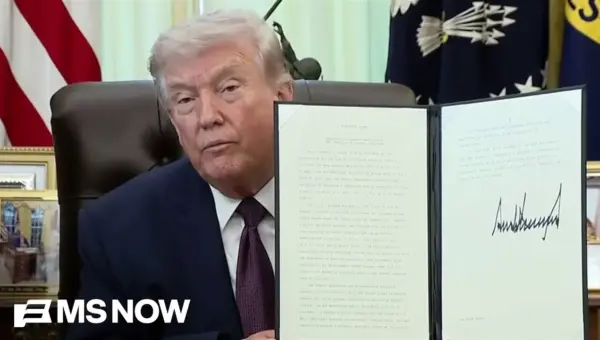
Trump’s Election Order Sparks Legal Firestorm Over Mail-In Ballots
President Donald Trump has signed a controversial executive order aiming to control mail-in ballots by creating a federal citizenship list for voter eligibility. Legal experts and voting rights advocates are challenging the order, citing a lack of constitutional authority and potential for voter suppression.
Conservative Court Upholds Online Voter Registration Rights
A conservative appeals court has struck down Arkansas's ban on online voter registration requiring wet ink signatures. This ruling challenges tactics seen as voter suppression and sets a precedent for other states. Advocates argue for broader legislative solutions to protect voting access.

States Fight Back Against Trump’s Mail Ballot Order
Colorado's Secretary of State Jenna Griswold is spearheading a legal fight against a new executive order attempting to control mail-in voting. States argue the order violates the Constitution by usurping their election authority. Officials are preparing to challenge the order in court, citing concerns about potential chaos and interference in upcoming elections.