Trump’s Ego: Did War Games Warn of Iran Trap?
Military war games likely warned President Trump about the risks of confronting Iran, including potential control of key shipping lanes. The concern is that his ego and desire for a quick victory may have overridden these strategic warnings, potentially leading to an unfavorable outcome.

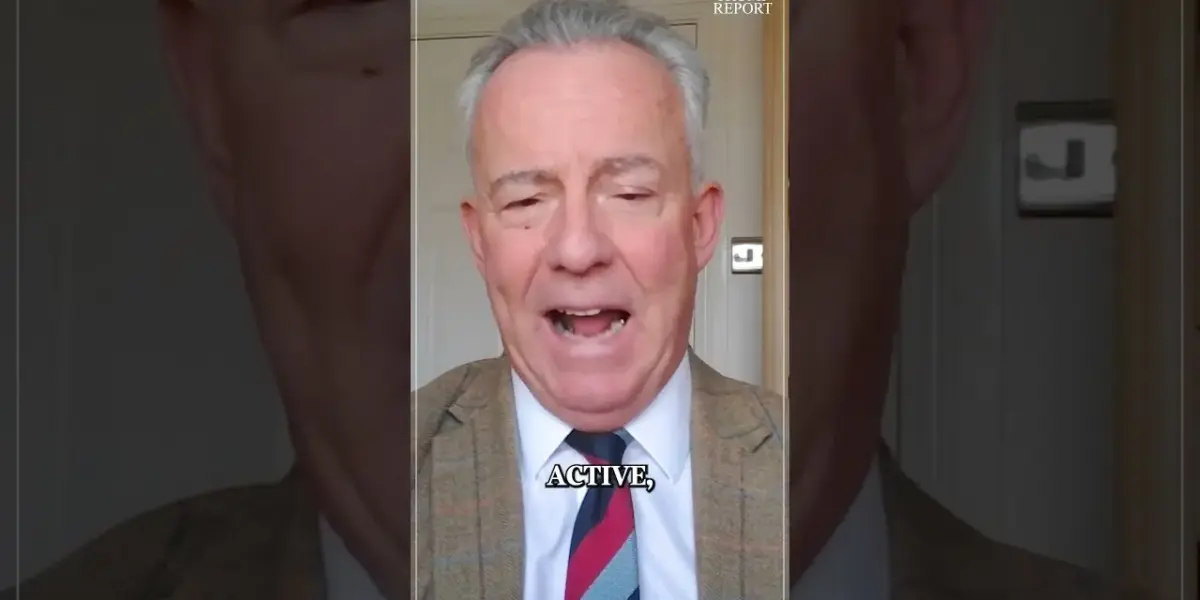
Did Trump’s Ego Lead to an Iran Trap?
Military leaders often use “war games” to test strategies and predict outcomes. These simulations help figure out what forces are needed and how a conflict might play out. The idea is to prepare for potential threats by practicing against them. For example, if Russia was seen as a threat, the military would run war games against Russia. This helps them develop the best strategy and understand their weaknesses.
It seems that similar preparations were made for the Iran situation. Someone with military experience mentioned playing as Iran in these war games. The results were predictable: American forces would easily defeat Iran’s regular army. However, the war games also showed that Iran could control the Strait of Hormuz. Iran could also use groups like the Houthis to block the Bab el-Mandeb Strait. These outcomes would be very difficult to overcome and should not have been a surprise to military planners.
The President’s Choices
The big question is whether President Trump listened to these warnings from his military advisors. The worry is that he might have believed a quick victory would solve the problem. Before this situation, there was talk that removing Iran’s top leaders would cause an uprising. This would supposedly solve the problem instantly, making the president look like a hero. It’s very likely his military advisors told him that war games showed a different, more dangerous outcome. They would have warned him that such actions could lead to a trap.
There’s a concern that President Trump might have thought taking out Venezuela’s leader, Maduro, and quickly solving that problem would be similar. He might have believed that a swift action against Iran’s leadership would lead to a similar, easy success. This kind of overconfidence can lead to very dangerous situations. The military planners would have known that their forces could beat Iran’s conventional army. But they also would have known Iran’s ability to disrupt crucial shipping lanes. This knowledge comes from years of planning and simulations.
Historical Context: The Value of War Games
War games have been a tool for military strategy for decades. They are not just hypothetical exercises; they are serious simulations designed to reveal potential flaws in plans. By playing out different scenarios, military leaders can identify unexpected consequences. They can see how an enemy might react and how their own forces might be stretched. The goal is to avoid costly mistakes by understanding the full picture before any action is taken.
In the case of Iran, the military would have run numerous simulations. These would have covered various responses to potential escalations. The outcome of Iran dominating key waterways like the Strait of Hormuz would likely be a recurring theme. This strait is a vital passage for global oil supply. Any disruption there has significant economic and geopolitical consequences. The military’s job is to present these potential outcomes, even if they are unwelcome, to the decision-makers.
Why This Matters
This situation raises important questions about leadership and decision-making during times of international tension. It highlights the potential for personal ambition or overconfidence to clash with sober military analysis. When leaders ignore expert advice, especially advice backed by rigorous simulations like war games, the consequences can be severe. The potential for getting caught in a “trap” – a situation where actions lead to unintended, negative outcomes that are hard to escape – is very real.
Understanding these dynamics is crucial for evaluating foreign policy decisions. It helps us see how a desire for a quick, heroic solution can lead to prolonged conflict or instability. The military’s role is to provide the unvarnished truth, based on data and simulations, to those in power. The president’s role is to weigh that information and make the final decision, hopefully with a full understanding of the risks involved.
Implications and Future Outlook
The implications of such a scenario are far-reaching. If military warnings are sidelined due to a leader’s ego, it can lead to prolonged military engagements, increased casualties, and significant economic disruption. The control of strategic waterways like the Strait of Hormuz has global implications, affecting energy prices and international trade. Iran’s ability to use proxies, like the Houthis, to create blockades is a complex problem that war games would have surely highlighted.
Moving forward, it is essential for leaders to foster an environment where military and intelligence advice is heard and respected. The effectiveness of war games and simulations relies on their findings being taken seriously. The future of foreign policy depends on leaders making decisions based on a clear-eyed assessment of risks and rewards, rather than on the pursuit of personal glory or overly optimistic predictions. The challenge is to ensure that strategic decisions are guided by sound analysis, not by the allure of a quick fix.
Source: Did Trump’s ego override war game warnings — and lead into an Iran trap? (YouTube)

Related Articles
Iran’s Houthi Allies Open New Front, Threaten Global Trade
The Houthi rebels in Yemen, backed by Iran, have opened a new front in the Middle East conflict by launching missiles toward Israel. This escalation threatens vital global shipping routes like the Red Sea and the Bab al-Mandeb Strait, potentially holding the world economy hostage. The situation highlights challenges in international cooperation and the U.S. military's stretched resources.

Midterms Loom: Trump Faces Political Storm Amid Foreign Policy Woes
As the U.S. heads into midterm elections, Donald Trump faces political headwinds. Concerns over costly foreign wars, domestic economic issues, and shifting public trust could weaken his influence. The outcome of the midterms may determine his ability to navigate potential legal challenges and shape future policy.

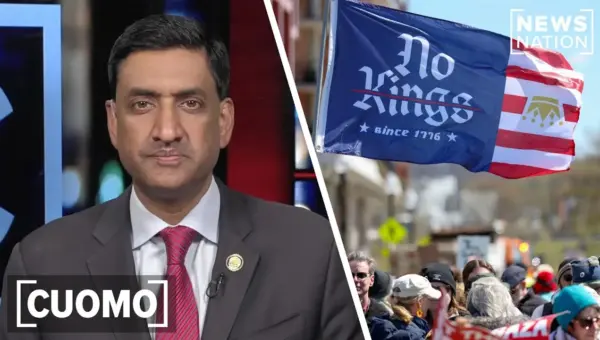
Trump’s War Focus Alienates MAGA Base, Fuels Protests
Frustration is mounting as President Trump's focus on foreign wars clashes with domestic needs and promises to his MAGA base. Protests like 'No Kings' highlight public anger over war spending, rising costs, and neglected issues, while Democrats seek common ground on practical solutions.